Understanding Men's Mental Health in Pakistan
In our society, young boys grow up hearing phrases like "mard ko dard nahi hota" and "rona kamzori hai." When a boy falls on the playground in Lahore or Rawalpindi, he is instantly told to wipe his tears and be a man. Over time, these daily cultural scripts teach men that feeling emotional pain is a defect and expressing it is a weakness. As a result, millions of Pakistani men bury their grief, anxiety, and trauma deep inside, leading to silent suffering, burnout, and declining psychological well-being.
During clinical practice at Pehchaan Clinic, Tahira Javed, clinical psychologist and hypnotherapist, frequently observes how this emotional suppression manifests in everyday life. For instance, a hardworking father in Islamabad might start showing uncharacteristic irritability, physical exhaustion, or sudden anger outbursts at home. Instead of recognising these as symptoms of severe anxiety or depression, family members often label him as hot-tempered. A young university student in Karachi might struggle with overwhelming panic attacks before exams, yet he keeps quiet out of fear that his peers will mock him for not being tough enough.
Research consistently shows that chronic emotional suppression takes a heavy toll on both the brain and the body. Local studies highlight that untreated mental health issues among Pakistani men often lead to substance abuse, high stress-induced physical ailments, and alarming rates of silent depression. When men feel they cannot cry or speak out, their nervous system remains in a constant state of fight-or-flight, slowly eroding their relationships and overall health.
Why Men's Mental Health Matters and How Families Can Help
Men's mental health is not a luxury; it is a vital foundation for the health of our entire society. When a man is emotionally supported, he can lead a healthier life, form deeper connections, and serve as a balanced anchor for his family. Ignoring a man's psychological well-being often leads to strained marriages, distant parenting, and unaddressed trauma passed down through generations.
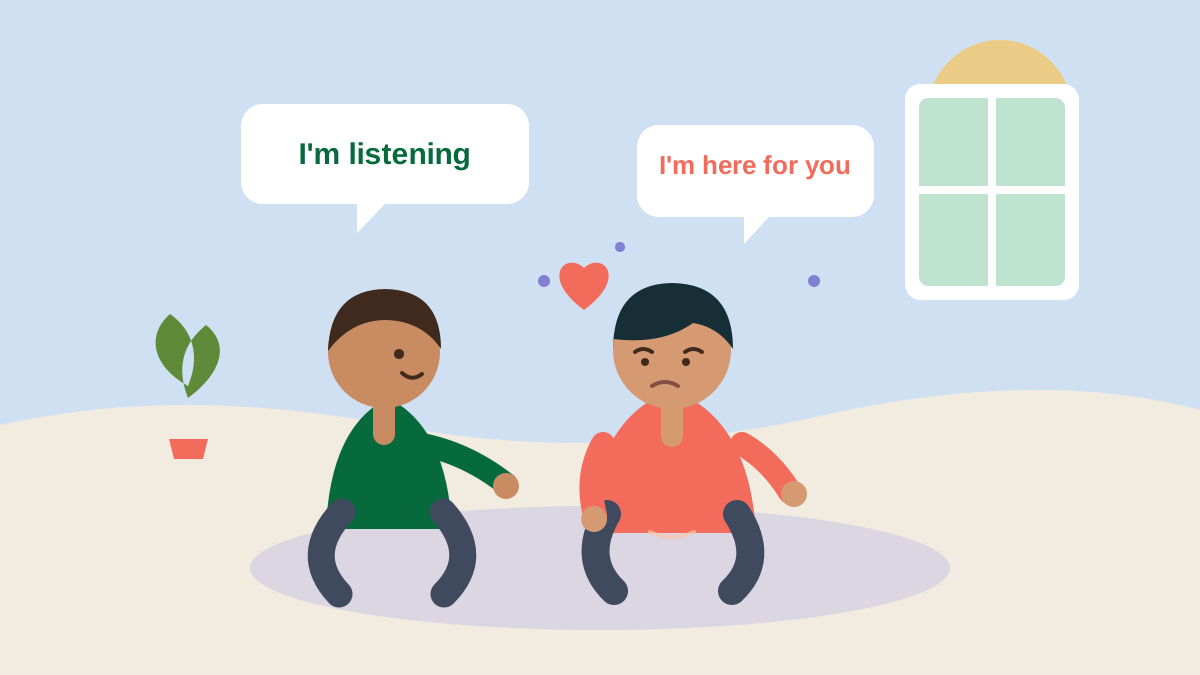
Families play a pivotal role in changing this narrative. Support starts at home by replacing judgment with active listening and empathy. When a husband, brother, or son shares his struggles, avoid dismissive remarks like "be strong" or "men don't complain." Instead, create a safe, non-judgmental space where he feels heard and valued. Reassure him that crying is a natural physical release for stress, not a mark of weakness.
Real strength lies in emotional honesty, not in endurance through silent suffering. Healing begins when we normalise conversations about emotional well-being at the dinner table and encourage seeking help without shame. If you or a loved one is struggling, reaching out to a trained professional is the first brave step toward emotional freedom.
Frequently Asked Questions
Why do men in Pakistan struggle to seek mental health support?
Deeply ingrained social stigmas, fear of being labeled weak, and cultural phrases that discourage emotional expression make it difficult for men to reach out for professional help.
What are the common signs of suppressed depression in men?
Instead of obvious sadness, men often display emotional suppression through extreme irritability, sudden anger, social withdrawal, severe fatigue, or excessive working.
How can families support men's mental health at home?
Families can help by actively listening without judgment, validating emotional pain, avoiding dismissive phrases like "be strong," and normalizing conversations about stress and therapy.
References
- Ali, A., & Khan, M. (2022). Gender roles, emotional suppression, and psychological distress among urban Pakistani men. Journal of Pakistan Psychiatric Society, 19(2), 45–51.
- Ahmed, S., & Malik, F. (2021). Stigma and help-seeking attitudes toward mental health services in Pakistan. Asian Journal of Social Psychology, 24(3), 312–320.
Need professional guidance for yourself or your child?
Book an Appointment