Building Words Through Play: Simple Home Strategies for Speech and Communication
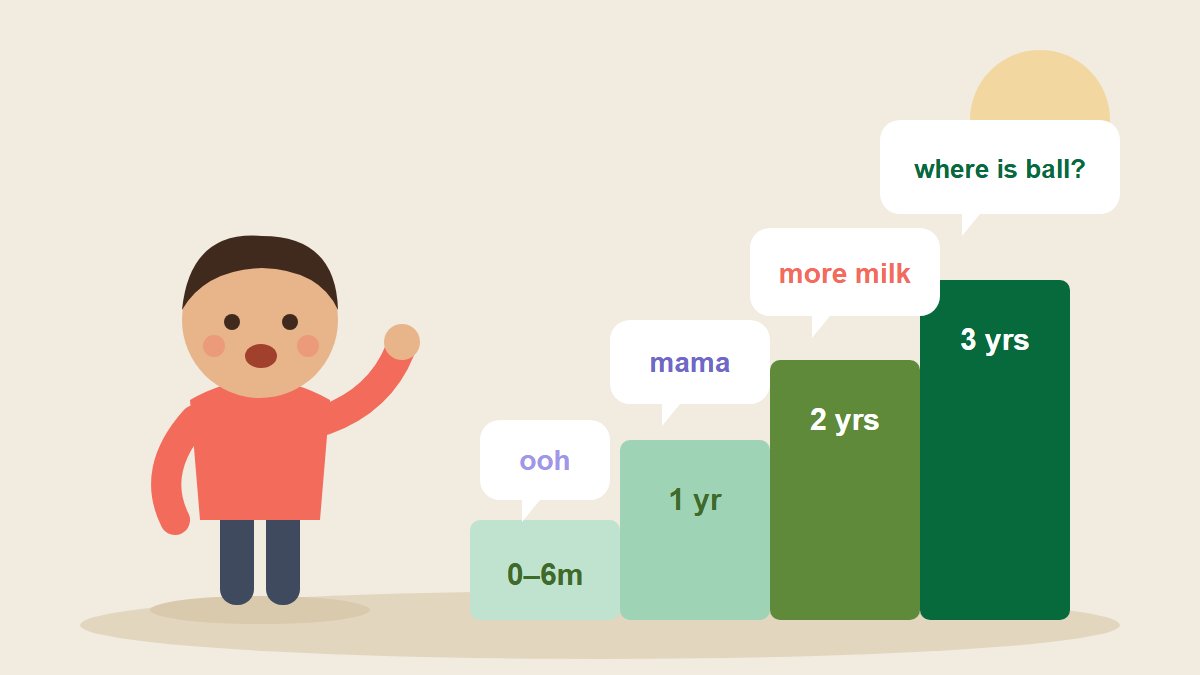
Hearing your child’s first words is a milestone every parent waits for. But a lot of parents today are noticing something else their child seems to be struggling with speech, or finding it harder than expected to express themselves. Between screen time and packed daily schedules, the natural back-and-forth that builds communication can quietly slip away.
If you’re worried about where your child’s speech is at, take a breath first. Building these skills doesn’t require sitting your toddler down for formal drills at the table. Kids actually learn language best through the thing they already do naturally: play.
Why Play Works So Well for Speech Development
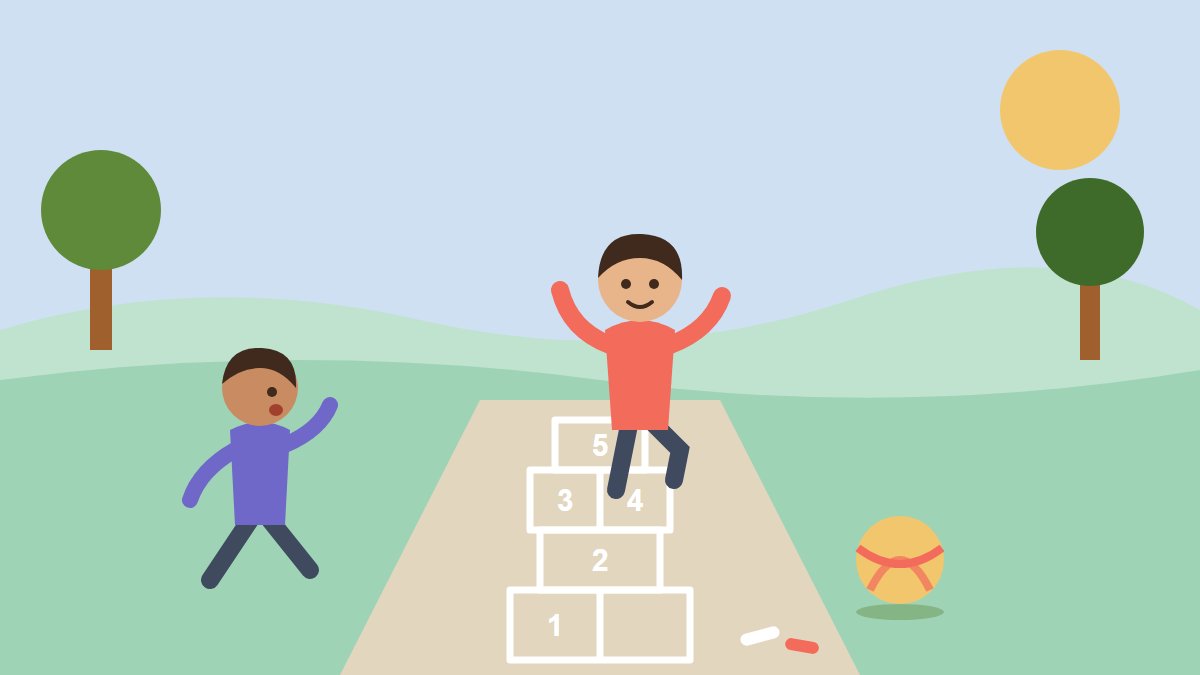
Play is how young children make sense of the world around them. While they’re playing, their brains are actively forming connections, picking up vocabulary, and practicing social interaction all without the pressure of “performing.”
Play-based learning supports speech development by:
- Lowering the anxiety that can come with trying to communicate
- Encouraging natural turn-taking and eye contact
- Tying words directly to real actions and objects
- Strengthening the connection between parent and child
Play-Based Strategies You Can Use at Home
None of this requires expensive toys or a detailed lesson plan. Here are a few activities that fit easily into a normal day.
- Pretend play. Set up a mini kitchen, a toy doctor’s kit, or a pretend tea party using things you already have around the house. Narrate what’s happening in simple sentences “Pour the tea,” “Is it hot?” and pause to give your child a real chance to respond, whether that’s with a sound, a gesture, or a word.
- Singing and rhyme games. Nursery rhymes and repetitive songs build phonological awareness, which is a key building block for language. Try pausing right before a familiar word in a song your child knows sing “Twinkle, twinkle, little…” and wait expectantly for them to fill in “star.”
- Sensory play with description. Fill a tub with water, rice, or playdough and let your child dig in. As they pour, squeeze, or splash, narrate it with vivid words “squishy,” “cold,” “pour,” “splash.” Pairing a physical sensation with a word helps kids absorb and recall vocabulary faster.
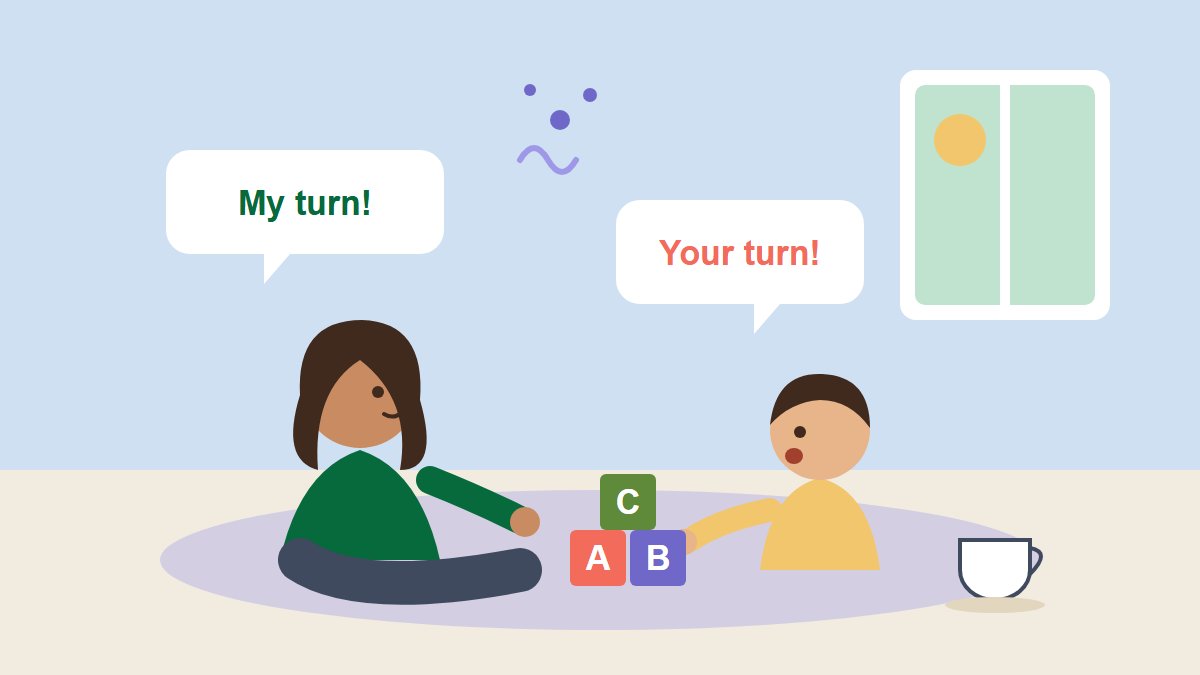
- Turn-taking and mirror games. Communication runs both directions. Roll a ball back and forth, build a block tower together, or make silly faces in the mirror, using clear phrases like “my turn” and “your turn.” This is where kids pick up the basic rhythm of conversation listening, waiting, responding.
Everyday Communication Tips for Parents
Life in Islamabad or Rawalpindi rarely leaves room for a slow-paced day, but small shifts in how you interact can add up fast.
- Cut back on screen time. Passive screen viewing leaves fewer natural openings for real conversation.
- Get down to their level. Sitting on the floor lets your child clearly see your mouth movements and facial expressions.
- Model instead of correcting. If your child says “water cup,” respond with “Yes, you want water in the cup!” It models correct grammar without making them feel like they got it wrong.
- Give them time to process. Kids with speech delays often need a few extra seconds to process what they’ve heard before they can respond. Resist the urge to jump in wait it out.
When to Bring In Professional Support
Play-based strategies build a strong foundation, but every child moves at their own pace. If your child shows very little babbling, avoids eye contact, or struggles noticeably more than peers to express basic needs, it’s worth getting professional input.
At Pehchaan Clinic, we offer individualized, compassionate care to help families across Islamabad and Rawalpindi work through speech delays and developmental concerns. Catching things early can make a real difference in helping your child find their voice.
Book a consultation with our team, or read more about speech therapy at Pehchaan Clinic.
Frequently Asked Questions
Can play-based activities actually help with a severe speech delay?
They’re genuinely effective at encouraging natural speech, but for more significant delays, they work best paired with professional speech therapy or a psychological evaluation.
How much time should I spend on speech-focused play each day?
Quality beats quantity here. Fifteen to twenty minutes of focused, distraction-free play daily does more than occasional long sessions.
What should I do if my child gets frustrated when I don’t understand them?
Stay calm and validate what they’re feeling — something like, “I know you’re trying to tell me something, let’s figure it out together.” Gestures or picture cards can ease the frustration while you keep gently modeling words.
Clinically reviewed by Tahreem Hameed, Speech and Language pathologist at Pehchaan Clinic.
Need professional guidance for yourself or your child?
Book an Appointment