Counseling for Anxiety and Panic Disorders
- Public Speaking
- Child Psychology
- Counseling for Self-esteem & Confidence
- Career Counseling
- Anger Management
- Family, Marital & Parental Counseling
- Counseling for Anxiety & Panic Disorders
- Behavior Therapy for Autism, ADHD & other Behavioral Concerns
- Academic Therapy for Learning & Intellectual disabilities
- Occupational Therapy
- Speech Therapy
Experiencing
Similar Problems
Contact us
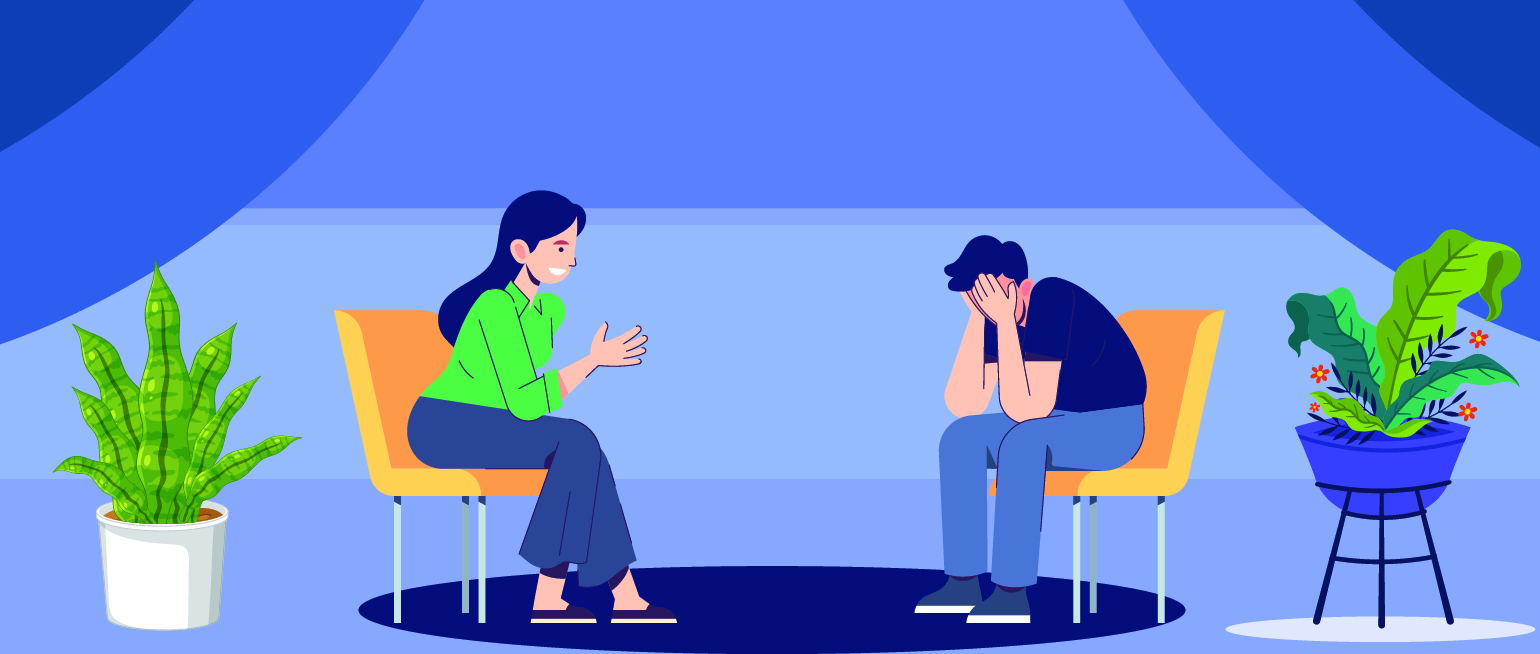
Therapy for Anxiety and Panic Disorders in Islamabad and Rawalpindi
Key Points
- Comprehensive Care: Specialized, evidence-based treatments tailored for generalized anxiety, social anxiety, specific phobias, and sudden panic attacks.
- Expert Clinical Team: Compassionate psychological interventions delivered by licensed specialists trained in advanced cognitive and somatic therapies.
- Culturally Grounded: Localized therapeutic strategies designed to address the everyday pressures and unique dynamics of Pakistani households and workplaces.
The Hidden Weight of Anxiety and Recognising the Signs
Living with constant worry or experiencing sudden waves of terror can make the world feel incredibly overwhelming and isolating. If you often find yourself with a tight chest before a family gathering in Rawalpindi, or if fear keeps you awake at 3 AM overthinking your workday in Islamabad, please know that you are not alone, and more importantly, you are not broken. Anxiety and panic disorders are among the most common and highly treatable mental health conditions.
Anxiety often begins subtly. It might manifest as a persistent, uncontrollable worry about the future, your health, or your loved ones. Over time, it takes a heavy physical toll. You might notice chronic exhaustion, severe sleep disturbances, muscle tension in your neck and shoulders, or a constant feeling of being on edge. Your nervous system becomes trapped in a state of hypervigilance, constantly scanning your environment for threats that aren’t actually there.
A panic disorder, on the other hand, can feel like a sudden, terrifying ambush. Without any clear trigger, you might experience a racing heart, shortness of breath, dizziness, trembling, and a heavy tightness in your chest. It is incredibly common for people experiencing a panic attack to feel as though they are losing control or even having a medical emergency. When these intense physical and emotional responses take over, a natural reaction is to start avoiding the places or situations where the panic happened. You might start withdrawing from social gatherings, avoiding driving, or stepping back from career opportunities. Recognising these signs is the brave first step toward healing, and professional therapy is the bridge back to a calm, fulfilling life.
The Therapeutic Journey: How We Help You Heal
Overcoming these overwhelming responses is not about simply “trying to calm down.” It requires a structured, compassionate therapeutic journey designed to bring your mind and body back into balance. When you reach out to Pehchaan Clinic, you are immediately supported by a dedicated team of licensed clinical psychologists and mental health professionals. Our team is deeply committed to providing a non-judgmental, culturally sensitive environment where your unique experiences are heard and validated.
The therapy process begins with a comprehensive, conversational clinical evaluation. We sit down with you to gently explore your personal history, trace your emotional triggers, and map out how anxiety physically shows up in your body. From there, we move into immediate symptom relief. Before we ask you to do deep cognitive work, we teach you immediate nervous system regulation methods to manage acute physical distress.
Once you have the tools to soothe your physical body, we transition into active skill-building sessions. This step involves identifying the subconscious thought patterns that fuel your fear and gently reshaping them. As you gain emotional strength and confidence in these new skills, your therapist will guide you through gradual, safe exposure to the scenarios or internal sensations you have been avoiding. This crucial step allows your brain to unlearn its automatic fear responses. Finally, the journey concludes with creating a personalized relapse prevention plan, ensuring you leave with the tools and resilience needed to maintain long-term emotional stability.
Tailored Therapies at Pehchaan Clinic
Because anxiety is both a mental and physical experience, our clinical team utilizes a comprehensive, integrated suite of therapies. We blend advanced cognitive strategies with deeply restorative somatic (body-based) and experiential practices to ensure healing happens on every level.
Cognitive Behavioural Therapy (CBT) is a cornerstone of our practice. CBT helps you identify and challenge the catastrophic thought loops that magnify fear. If your mind immediately jumps to the worst-case scenario, CBT provides the framework to step back, evaluate the evidence, and respond with balanced thinking. Alongside CBT, we heavily utilise Acceptance and Commitment Therapy (ACT). ACT is a beautiful, liberating approach that teaches you to stop fighting your uncomfortable internal feelings. Instead of exhausting yourself trying to push anxiety away, ACT helps you embrace your bodily sensations without judgment, allowing you to take meaningful action toward the life you want to live.
To address the profound physical impact of panic, our therapists integrate practical mindfulness practices and experiential exercises. We teach diaphragmatic deep breathing techniques that directly stimulate your vagus nerve, sending an immediate signal to your brain to activate the parasympathetic “rest-and-digest” system. This physically halts the fight-or-flight response. We also incorporate guided imagery, allowing you to mentally rehearse calmness and build emotional resilience in a deeply relaxed state. For those struggling with severe physical panic, we use safe, in-session experiential tasks. By intentionally simulating physical sensations—like doing light exercises to safely elevate your heart rate in the therapy room—we help demystify your body’s panic responses. You learn firsthand that a racing heart is just a sensation, not a danger. Furthermore, clinical hypnotherapy is available to help calm a chronically hyper-aroused nervous system, bypassing conscious resistance to break deep-seated cycles of apprehension.
The reason we rely so heavily on this specific blend of treatments is that it is backed by profound scientific evidence. Decades of randomized controlled clinical trials consistently show that combining cognitive restructuring with experiential somatic techniques produces measurable, long-term changes in how the brain processes potential threats. Research confirms that these therapies literally alter neural pathways, retraining the nervous system to process physiological signals safely rather than treating them as emergencies.
We see the effectiveness of this approach every day in our local communities. Consider a young corporate professional working in Islamabad who used to experience sudden trembling and debilitating heart palpitations every time they had to present in a board meeting. By working with our team, they learned to combine structured CBT reframing with grounding techniques and deep diaphragmatic breathing. Today, they can navigate high-stakes presentations with calm, quiet confidence. Similarly, consider a parent navigating the complex, daily demands of a joint family household in Rawalpindi. Chronic worry about household dynamics was leading to severe sleeplessness and sudden panic attacks during chaotic family events. Through guided imagery, somatic relaxation methods, and learning how to set healthy emotional boundaries, therapy provided them with the tools to relieve their chronic worry and reclaim their peace of mind at home.
Frequently Asked Questions
How do I know if I am having a panic attack or a heart attack?
Panic symptoms, such as severe chest tightness, a racing heartbeat, and shortness of breath, closely mimic cardiac issues. It is incredibly important to rule out any physical health concerns with a medical doctor first. Once your heart health is cleared by a physician, a clinical psychologist can help you manage and overcome these panic-induced physical reactions.
Is therapy confidential at Pehchaan Clinic?
Yes, absolutely. All consultations, assessments, and therapy sessions follow strict ethical and legal confidentiality standards. Your privacy, dignity, and emotional safety are our highest priorities.
How many sessions will I need to feel better?
The length of treatment naturally varies depending on the severity of your symptoms and your specific needs. However, because our therapies are highly structured and focused on active skill-building, many clients begin to notice meaningful, life-changing progress within 8 to 15 regular sessions.
References
- Beck, A. T., & Clark, D. A. (1988). Anxiety disorders and phobias: A cognitive perspective. Basic Books.
- Hofmann, S. G., Asnaani, A., Vonk, I. J., Sawyer, A. T., & Fang, A. (2012). The efficacy of cognitive behavioral therapy: A review of meta-analyses. Cognitive Therapy and Research, 36(5), 427–440.
- Craske, M. G., & Barlow, D. H. (2014). Mastery of Your Anxiety and Panic: Therapist Guide. Oxford University Press.
- World Health Organization. (2019). Depression and other common mental disorders: Global health estimates. World Health Organization.