Navigating Communication Differences in Relationships: Bridging the Silent Gap
Key Points
- Feeling disconnected from your partner usually comes down to different communication styles, not a lack of love.
- Women often crave verbal affection and quick heart-to-heart talks, while men tend to show love through quiet, practical actions and need time to cool off during arguments.
- Misreading these natural differences can drive a painful wedge between couples, but gentle empathy, active listening, and small adjustments can bring you close again.
- Compassionate counselors here in Islamabad and Rawalpindi can help you rebuild a loving, healthy bond.
When you fall in love, you hope to build a home where you feel deeply seen and cherished. Yet so many loving couples in Islamabad and Rawalpindi end up sitting in the same room and feeling miles apart. It's heartbreaking to care for each other so much and still watch every attempt at conversation end in misunderstanding or heavy silence.
Most of the time, the love is still there. You and your partner are simply speaking different emotional languages. Let's look at why that happens, and how to bring your hearts back into sync.
Words vs. Quiet Actions: Two Ways of Saying “I Love You”
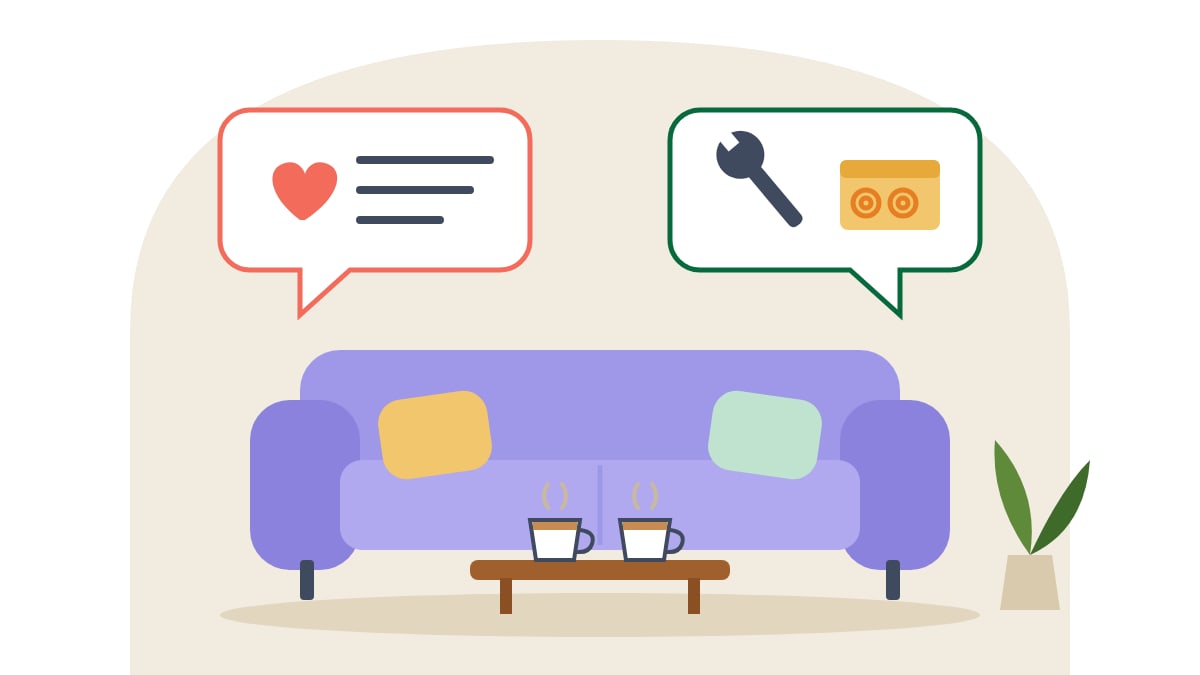
One of the most common heartaches in a marriage comes from expecting love to be expressed in one particular way. Women often long for spoken affection, a tender compliment, or a soft “I missed you today.” Men, on the other hand, are frequently raised to show affection through quiet, practical care.
A Simple Day-to-Day Example
Picture a quiet evening in a home in Rawalpindi. A wife has spent the whole day hoping her husband will sit with her, look her in the eye, and ask how her day went. Her husband comes home, notices the tire on her car is low, takes it out to get it fixed, and returns with a box of her favorite hot jalebis.
To him, fixing the car and bringing something sweet is his way of saying, “I care about you, and I want your life to be easier.” To her, the absence of tender words feels like distance. Neither of them is wrong, and both are trying to love. They're just using different currencies of affection.
In the Heat of the Moment: Wanting to Talk vs. Needing to Step Back
Conflict happens in every relationship, and the way we react can hurt each other without our meaning to. When tension rises, one partner may feel an urgent need to talk things out right away because unresolved anger feels frightening. The other may feel so overwhelmed that they need to pull away and go quiet to keep from snapping.
A Story from Islamabad: Sara and Usman
Sara and Usman, a married couple in Islamabad, loved each other dearly but were stuck in a painful cycle whenever they argued. When a sensitive topic came up, Sara's heart would race. She wanted to settle it there and then, so she followed Usman from room to room, desperate to hear him speak.
Usman's heart was pounding too, and he was afraid that if he spoke in anger, he'd say something unforgivable. So he retreated to another room and stayed silent. To Sara, his silence meant he didn't care how she felt. To Usman, her persistence felt like an attack. They were no longer arguing about the original issue. They were both reacting out of fear and distress.
Why Do We React So Differently? What Research Shows
Understanding why your partner reacts the way they do can soften anger and make room for empathy.
- Feeling overwhelmed (physiological flooding): Research by Dr. John Gottman shows that during tense arguments the body can slip into a fight-or-flight response and the heart rate skyrockets. Men's bodies often reach this limit faster, which can lead them to shut down or freeze, known as stonewalling, simply to calm a racing nervous system (Gottman & Levenson, 1992).
- The 5 Love Languages: Dr. Gary Chapman's work reminds us that we tend to give love the way we want to receive it. If your main language is Words of Affirmation, a lack of comforting words feels empty. If your partner's is Acts of Service, they feel they're showing love every day through what they do (Chapman, 2015).
- Cultural background: In South Asian culture, men are often raised to see love as providing, fixing, and protecting, while women are often raised to nurture emotional bonds through deep conversation and shared feelings (Chowdhury, 2018).
Simple Strategies to Bring You Closer Again
- Learn to spot their love currency. Look for the quiet ways your partner shows care. When your husband handles a frustrating household chore or brings something home for you, try seeing it as his way of saying “I love you.” At the same time, husbands can offer a small, sweet word of appreciation each day, even if it's just a short text.
- Take a gentle, promised break during fights. If an argument gets too intense, it's completely fine to pause. The key is to always name a time you'll come back. Something like:
“I love you, but I feel too overwhelmed to talk clearly right now. Let me take 30 minutes to calm down, and then let's sit together at 8:00 PM to finish talking.”
This gives one partner room to breathe without leaving the other feeling abandoned. - Soften hard moments with validation. Before trying to fix the problem or walking away to cool off, acknowledge how the other person feels. Simply saying, “I can see how much this is hurting you, and I really want to understand,” can melt defensiveness almost instantly.
- Create quiet moments to connect. Don't wait for an argument to share your feelings. Pick a calm moment during the week, maybe over a warm cup of chai, and ask each other gently, “How are we doing lately?”
If the same argument keeps coming back, book a confidential consultation with our team, or read more about marriage and family therapy at Pehchaan Clinic.
Frequently Asked Questions
Why does my partner shut down and go quiet when we fight?
Going silent usually doesn't mean your partner doesn't care. More often, their nervous system is overwhelmed by emotion and they don't know how to respond without making things worse.
How can I gently encourage my partner to express their feelings in words?
Start by appreciating what they already do. You might say, “I feel so cared for when you help me with things. It would also make my heart so happy to hear you say how you feel about me sometimes.”
When should a couple seek therapy in Islamabad or Rawalpindi?
If you keep having the same painful argument, or the silence in your home feels heavy and lonely, talking with a professional can give you a safe, neutral space to reconnect.
References
- Chapman, G. (2015). The 5 Love Languages: The Secret to Love That Lasts. Northfield Publishing.
- Chowdhury, S. (2018). Gender roles and emotional expression in South Asian marital dynamics. Journal of Family and Cultural Psychology, 12(2), 114–128.
- Gottman, J. M., & Levenson, R. W. (1992). Marital discord and physiological reactions: Analyzing conflict interaction patterns. Journal of Marriage and Family, 54(1), 221–233.
Disclaimer
For confidentiality, all names used in these blogs have been changed. The names and characters are purely hypothetical and do not represent real individuals.
Need professional guidance for yourself or your child?
Book an Appointment