The Delayed Marriage and Sensory Overload Dilemma: Understanding the Psychological Strain on Pakistani Youth
Key Points
- Constant online stimulation heightens natural emotional and romantic needs, while societal expectations push marriage further into adulthood.
- Financial “settlement” standards, such as a high salary, an independent home, or a luxury car, have risen sharply compared with previous generations.
- The gap between emotional readiness and financial settlement causes significant anxiety, distress, and strain among unmarried young adults in Pakistan.
- Reframing success, opening up family communication, and practicing emotional regulation are key steps toward easing this growing mental health burden.
Thousands of young men and women across Pakistan carry a deep, quiet ache every day. We're living through a strange contrast. Our screens flood us with connection, romance, and visual stimulation, while the actual timeline for marriage and emotional partnership keeps slipping further out of reach.
When your natural emotional and biological needs are constantly stirred up, but you're told to wait until you've ticked off a long list of financial milestones, the result is deep distress. It seeps into your peace of mind, your work, your family relationships, and the way you see yourself.
1. The Heavy Conflict: Endless Input vs. Years of Waiting
In our parents' time, life moved at a different pace. There were fewer digital distractions, and the standard for marriage was simple. Couples began humbly, often in joint families or modest rentals, and built their lives together step by step.
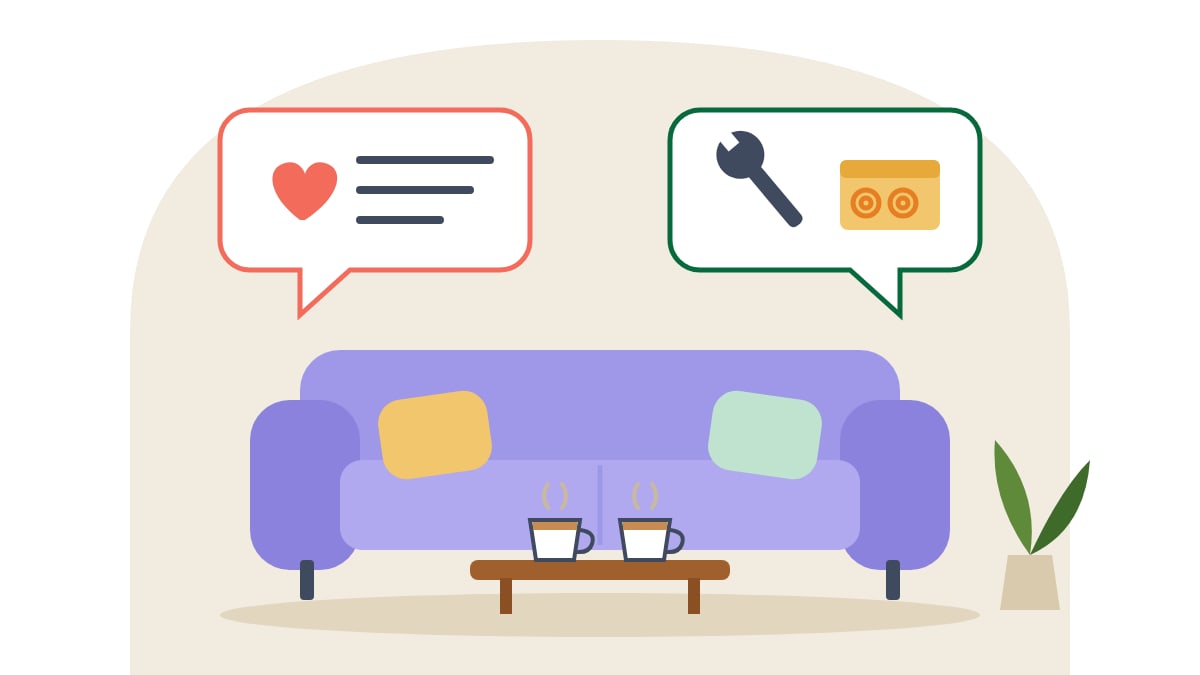
Today, young adults are caught between two pressures at once.
The Sensory World Around Us
Social media, videos, and constant connectivity expose us to idealized images of romance, companionship, and intimacy every hour of the day. That steady exposure naturally heightens the deep human wish to be loved, held, and understood. Your mind and body are simply responding to the world around you.
The Ever-Rising Financial Bar
At the same time, what it means to be “settled” has moved almost out of reach. A young man in Islamabad, Rawalpindi, or Lahore is often expected to have a top-tier salary, his own car, and sometimes an independent home before he's even considered ready for marriage. Hitting those targets pushes marriage well into his late 20s, 30s, or beyond.
Hyper-stimulated environment (social media, heightened needs)
+
Elevated financial benchmarks (delayed marriage, ages 30–35+)
=
Psychological distress gap (anxiety, frustration, social strain)
2. A Day-to-Day Example
Picture a 27-year-old software engineer in Rawalpindi. He works long, tiring hours and earns a decent income, but goes home feeling lonely and worn out. During short breaks he scrolls through his phone, where content keeps reminding him of the warmth and companionship he doesn't have.
When he finally gathers the courage to tell his parents he wants to get married, he's brushed off with lines like “Tum abhi bohot chote ho” (You're still too young) or “Pehle apna ghar ya gaadi tou bana lo” (First buy a car or build a house).
He's being asked to achieve in his 20s what his parents built in their late 40s. Caught between real emotional needs and impossible expectations, he grows irritable at work, pulls away from family dinners, and carries a quiet, heavy anxiety every day.
3. Case Example: The Heartache of Waiting
Ayesha and Hamza's Story
Ayesha (26) and Hamza (29) from Islamabad were in a respectful, committed relationship and wanted to marry. Hamza worked hard at a mid-level marketing job, but Ayesha's family firmly insisted that he own a home and double his income before they'd give their blessing.
As the years slipped by in uncertainty, the strain took a serious toll on both of them:
- Hamza struggled with severe insomnia, feelings of failure, and complete burnout from taking on excessive overtime to meet the financial targets.
- Ayesha lived with constant anxiety, mood swings, and a growing sadness toward her family's rigid demands.
Their story shows how putting material targets above emotional maturity and character drains the life out of young hearts long before the wedding even happens.
4. Why This Causes So Much Emotional Distress
When your basic human longing for love and connection is put on hold indefinitely, the mental burden grows heavy:
- Feeling misunderstood at home. Loving your parents deeply while feeling that they don't understand your daily struggles creates a lonely distance inside your own house.
- Nervous system overload. Constant media stimulation with no healthy, real-world outlet for emotional closeness leaves your nervous system in a state of restless tension.
- Losing focus and energy. Carrying unresolved frustration drains you, making it hard to concentrate at work, enjoy your hobbies, or be present with friends.
- Doubting your own worth. When marriage is tied strictly to bank balances and assets, it's easy to internalize the belief that you're only valuable if you're wealthy.
5. What Psychological Research Tells Us
- The impact of digital overload: Studies show that constant exposure to sensory-rich social media changes how the brain processes rewards, leaving us feeling lonelier and less satisfied with everyday life (Primack et al., 2017).
- The extended “young adult” phase: Psychologist Jeffrey Arnett notes that when economic hurdles stretch out the transition into adulthood, young adults experience higher levels of anxiety, uncertainty, and depressive feelings (Arnett, 2004).
- Financial stress in our culture: Research on South Asian families finds that placing financial milestones above emotional readiness in marriage decisions directly contributes to pre-marital anxiety and lingering family conflict (Kamal & Chaudhry, 2019).
6. Gentle Strategies to Protect Your Heart and Mind
Changing a society's mindset takes time, but there are practical steps you and your family can take today.
For Young Adults
- Be gentle with your digital habits. Give your eyes and heart a break from hyper-stimulating social media. Swapping late-night scrolling for exercise, an evening walk, or a creative hobby gives your nervous system a chance to settle.
- Talk to your parents softly. When you raise the topic of marriage, try not to argue out of anger. Share how you feel in terms of your emotional peace and your wish for a wholesome life. For example:
“I know you want me to be financially safe, and I'm working as hard as I can. But waiting for everything to be perfect is hurting my health and peace. Building a simple life together with someone is better than waiting alone in distress.”
- Don't carry it alone. Talk to trusted friends, elders, or counselors who understand these cultural pressures. Sharing what's on your heart lightens the load.
For Parents and Families
- Redefine real security: Financial stability matters, but good character (akhlaq), emotional maturity, and mutual respect are the true foundations of a happy home, far more than a car or a house.
- Remember how your own story began: Think back to your early years. Most couples build their homes together, step by step. Expecting a 25-year-old to have what took you 25 years to build is an unfair weight on young shoulders.
- Make marriage simple again: Simpler weddings and lower financial hurdles make it easier for young adults to settle down with dignity and grow emotionally and financially alongside their partner.
If this waiting is weighing on your sleep, work, or family life, book a confidential consultation with our team, or read more about family therapy at Pehchaan Clinic.
Frequently Asked Questions
How can I respond when my parents say “tum abhi bohot chote ho”?
Pick a calm moment outside of an argument. Share your long-term goals and explain gently how carrying this wait alone is affecting your mental well-being, so they can see your emotional maturity.
Does scrolling on social media really make this frustration worse?
Yes. Constant exposure to idealized relationships and lifestyles heightens your natural longings and makes your current reality feel empty, which feeds restlessness and anxiety.
When should someone reach out for therapy in Islamabad or Rawalpindi?
If this ongoing stress is affecting your sleep or work performance, or leaves you feeling constantly hopeless or anxious, a compassionate clinical psychologist can help you process these heavy feelings and regain your peace.
References
- Arnett, J. J. (2004). Emerging Adulthood: The Winding Road from the Late Teens Through the Twenties. Oxford University Press.
- Kamal, A., & Chaudhry, H. (2019). Socio-economic expectations, marital delay, and psychological distress among urban Pakistani youth. Pakistan Journal of Psychological Research, 34(3), 511–528.
- Primack, B. A., Shensa, A., Sidani, J. E., Whaite, E. O., Lin, L. y., Rosen, D., Colditz, J. B., Radovic, A., & Miller, E. (2017). Social media use and perceived social isolation among young adults in the U.S. American Journal of Preventive Medicine, 53(1), 1–8.
Disclaimer
For confidentiality, all names used in these blogs have been changed. The names and characters are purely hypothetical and do not represent real individuals.
Need professional guidance for yourself or your child?
Book an Appointment