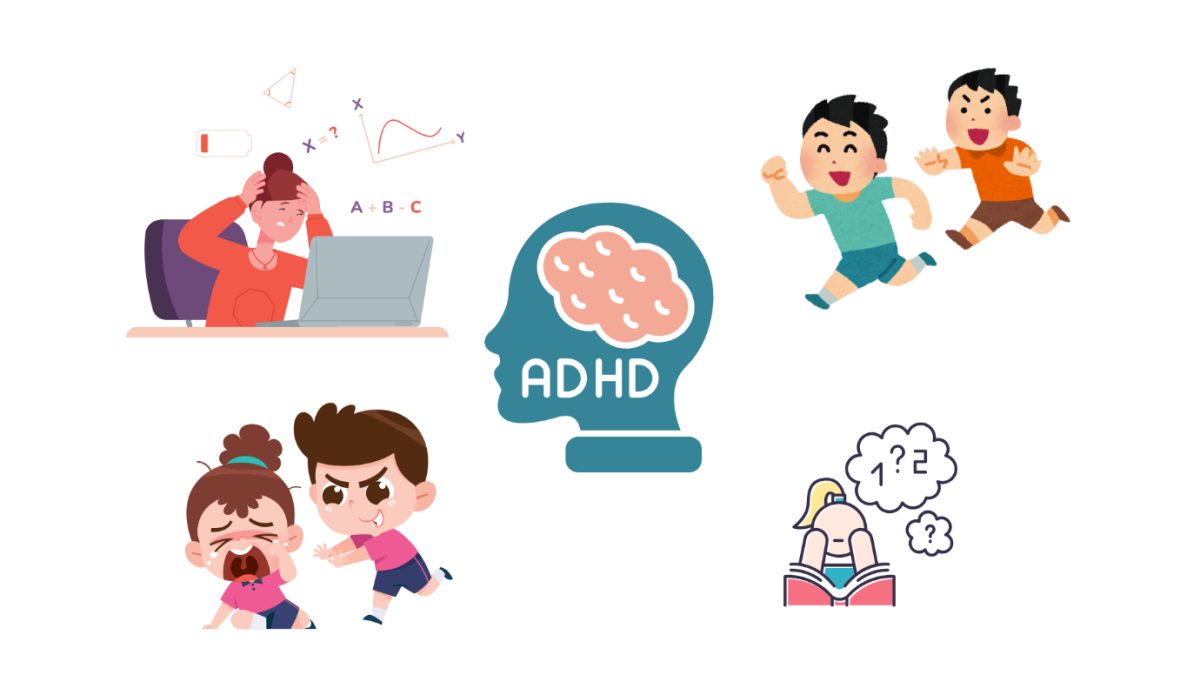
Understanding ADHD: Early Signs, Adult Challenges, and Strategies for Home and Life
Key Points
- A neurodevelopmental root: ADHD is a brain-based condition that affects focus, impulse control, and emotional regulation. It is not a personality flaw or the result of poor discipline.
- Early indicators: In children, signs go beyond hyperactivity to include time blindness, misplacing belongings, and trouble following multi-step directions.
- Broader impact: ADHD affects executive functioning, social interactions, academic performance, and personal relationships at every age.
- Adult realities: Many adults live with unrecognized ADHD, which can lead to chronic executive overload, work strain, and internalized frustration until they're properly assessed.
- Practical strategies: Simple environmental changes, such as visual checklists, micro-tasking, time boxing, and dedicated landing zones, help both children and adults thrive.
October is ADHD Awareness Month, a good time to open up honest, compassionate conversations about neurodiversity. For too long, Attention-Deficit/Hyperactivity Disorder (ADHD) has been misunderstood, written off in children as mischief or laziness and in adults as a lack of discipline or plain irresponsibility.
Understanding ADHD means looking past those surface judgments. It isn't a character flaw or a passing phase. It's a neurodevelopmental condition that changes how the brain manages focus, impulse control, and emotion. Once we recognize the early signs and see how ADHD shapes everyday life, we can move away from blame and build more supportive spaces for neurodivergent people across Pakistan.
What Is ADHD? Early Signs in Children
ADHD looks different in every person, but its core features are inattention, hyperactivity, and impulsivity. In children, early signs often appear well before formal schooling, though they tend to become clearer in a structured classroom.
Early Inattentive Signs
- Difficulty holding focus during play or structured tasks.
- Often seeming not to listen when spoken to directly.
- Careless mistakes in schoolwork, or avoiding tasks that need sustained mental effort.
- Misplacing everyday items such as school books, water bottles, and stationery.
- Getting easily pulled away by outside stimuli or daydreams.
Early Hyperactive-Impulsive Signs
- Fidgeting, squirming, or constantly tapping hands and feet.
- Leaving their seat when sitting is expected.
- Running or climbing in inappropriate settings.
- Talking excessively, or blurting out answers before a question is finished.
- Interrupting conversations or barging into other children's games.
During a consultation at Pehchaan Clinic, a mother from Rawalpindi described how her seven-year-old son, Hamza, kept being labeled the “disruptive child” at school. He was bright and curious, yet he couldn't sit through a 30-minute lesson without getting up or losing his pencils. When we evaluated Hamza, it became clear that his movement wasn't deliberate disobedience. It was his brain's way of generating focus in an environment that felt overwhelming.
How ADHD Affects the Core Pillars of Life
ADHD affects far more than study habits or work tasks. It shapes how a person processes information, manages relationships, and moves through daily life.
1. Executive Functioning
Executive functions are the brain's management skills: the system behind planning, working memory, time awareness, and emotional control.
- Time blindness: People with ADHD often struggle to sense the passage of time, which makes it hard to estimate how long tasks will take or to arrive on time.
- Working memory challenges: Remembering multi-step instructions, such as “put away your shoes, wash your hands, and sit at the table,” can be hard without visual cues.
- Task initiation: Starting a complex or non-preferred task can trigger intense mental resistance, leading to chronic procrastination.
2. Social Skills and Relationships
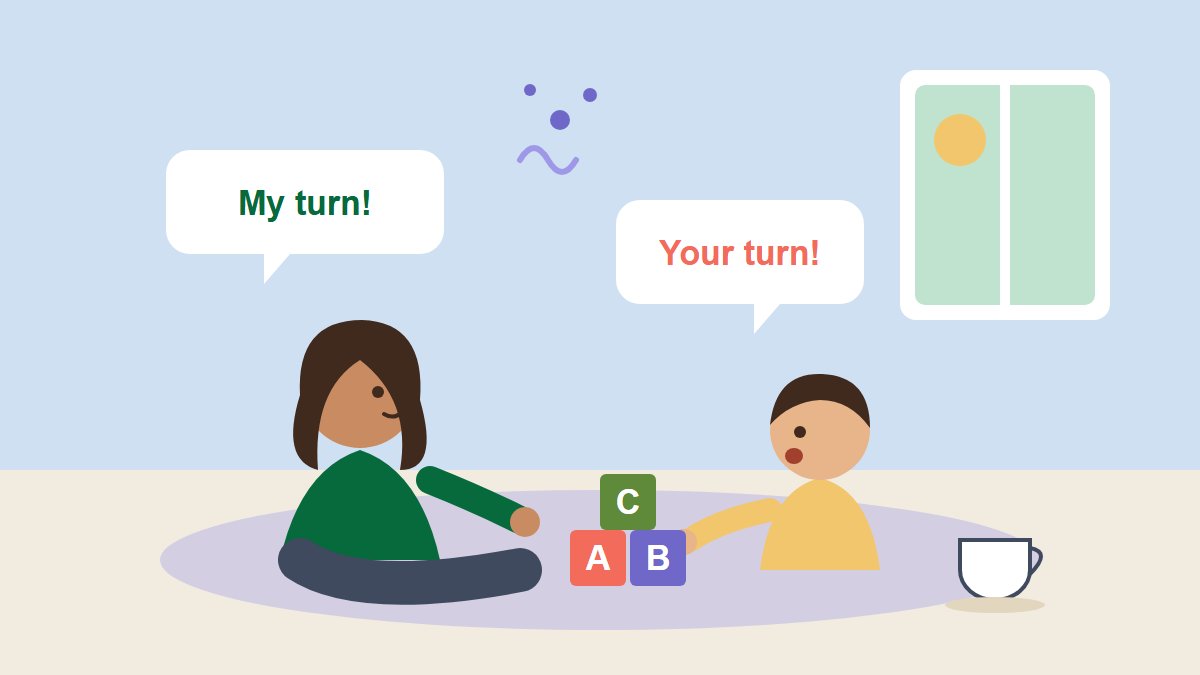
Getting through social situations means reading subtle cues, waiting your turn, and managing emotional reactions.
- Impulsive communication: Interrupting others or speaking without filtering can cause misunderstandings with friends, family, or colleagues.
- Emotional dysregulation: Minor setbacks can set off intense reactions. Socially, this may look like sudden frustration, withdrawal, or heightened sensitivity to perceived criticism.
- Peer dynamics: Children with ADHD may find cooperative play difficult, while adults may struggle to stay in regular contact, sometimes leaving loved ones feeling overlooked.
3. Academic and Work Performance
- Inconsistent focus: Hyper focus can let a student or professional work for hours on something they love, while non-preferred tasks feel nearly impossible to finish.
- Organizational challenges: Managing assignments, deadlines, and belongings takes constant deliberate effort, which often leads to burnout or performance anxiety.
One case in Islamabad involved Usman, a 22-year-old university student who struggled academically despite a sharp mind. Task initiation and time management were his main hurdles, and they kept him in a cycle of all-night study sessions, missed deadlines, and deep self-doubt. Psychosocial support and tailored executive function coaching helped him reshape his environment, and his natural academic ability began to show.
The Adult ADHD Journey: Diagnosis and Unique Challenges
Many adults grow up with unrecognized ADHD and build their own coping mechanisms to mask the struggle, until adult responsibilities like a career, running a household, or parenting overwhelm those systems. An adult ADHD assessment can bring both clarity and a lot to process emotionally.
Key Challenges Adults with ADHD Face
- Executive overload: Juggling work deadlines, bills, chores, and family schedules all at once often leads to frequent mental fatigue.
- Career impairment: Trouble with organization, time estimation, or long-term planning can lead to underperformance, job changes, or stalled progress despite strong skills.
- Relationship strain: Forgotten commitments, impulsive comments, or difficulty staying present in conversation can create ongoing friction with partners and family.
- Internalized stigma: Years of unmanaged symptoms often produce inner narratives of being “incapable” or “disorganized,” which frequently contribute to secondary anxiety or low mood.
Assessing adult ADHD involves a thorough clinical history, a look at childhood patterns and current executive functioning, and ruling out overlapping conditions. Uncovering these patterns helps adults look back on their history with self-compassion instead of self-criticism.
Practical At-Home Strategies
Managing ADHD well is less about willpower and more about setting up supportive environments and clear routines.
For Parents of Neurodivergent Children
- Create visual routines: Use color-coded charts or visual checklists near study areas and bedrooms to break down morning, homework, and bedtime steps.
- Break tasks into micro-steps: Replace broad instructions like “clean your room” with one specific action at a time: “First, put your shoes on the rack.”
- Build in body movement: Fidget tools, standing desks, or short movement breaks, like five minutes of jumping jacks or stretching, can help concentration during study time.
- Praise specific behaviors: Give immediate, clear feedback when your child puts in effort: “I noticed how focused you were while finishing your math page!”
For Adults Navigating ADHD
- Externalize your memory: Lean on digital calendars, phone reminders, whiteboards, and sticky notes instead of keeping to-do lists in your head.
- Use time boxing: Break work into short, manageable blocks, such as 20 minutes of focused work followed by a 5-minute break, to make starting easier.
- Designate specific spaces: Keep essentials like keys, wallet, phone, and work ID in dedicated, visible containers by the front door to cut down morning stress.
- Practice emotional grounding: When you feel overwhelmed, pause for deep breathing or a quick sensory check, like noticing your feet on the floor, before you react.
Frequently Asked Questions
Can a child outgrow ADHD?
Symptoms often change over time rather than disappearing. Physical hyperactivity may ease as a child grows up, but challenges with executive functioning, organization, and focus frequently continue. With the right strategies and support, people learn to manage these traits well throughout life.
Is ADHD caused by poor parenting or too much screen time?
No. ADHD is a biological, neurodevelopmental condition with strong genetic factors. Poor parenting or heavy screen use doesn't cause it, though unstructured routines and digital overstimulation can make existing attention challenges harder to manage.
How is adult ADHD diagnosed in Islamabad and Rawalpindi?
Adult ADHD is diagnosed through a detailed clinical evaluation by a qualified clinical psychologist or psychiatrist. It includes in-depth clinical interviews, standardized rating scales, a review of developmental history, and an assessment of current executive functioning across work, academic, and personal life.
Expert Support at Pehchaan Clinic
If you or your child are having ongoing difficulty with focus, organization, or emotional regulation, professional support can help you build structured, effective coping strategies.
At Pehchaan Clinic, serving Islamabad and Rawalpindi, our team offers compassionate, evidence-based diagnostic assessments and tailored psychological interventions for children, teens, and adults with neurodevelopmental conditions.
Contact Pehchaan Clinic today to schedule a comprehensive assessment and take the first step toward understanding, managing, and thriving with ADHD.
References
- Fatima, G., Masih, S., & Maqbool, S. (2023). Behavior Symptoms among Children with Attention Deficit Hyperactivity Disorder: A Psychosocial Intervention through Mothers. Annals of Punjab Medical College, 17(2).
- World Health Organization. (2021). International Classification of Diseases 11th Revision (ICD-11): Attention Deficit Hyperactivity Disorder. WHO.
- American Psychiatric Association. (2022). Diagnostic and Statistical Manual of Mental Disorders (5th ed., text rev.; DSM-5-TR). Washington, DC: Author.
- Journal of Pakistan Medical Association (JPMA). (2024). Prevalence and Clinical Assessments of Undiagnosed Adult ADHD Symptoms in University Cohorts.
Disclaimer
For confidentiality, all names used in these blogs have been changed. The names and characters are purely hypothetical and do not represent real individuals.
Need professional guidance for yourself or your child?
Book an Appointment