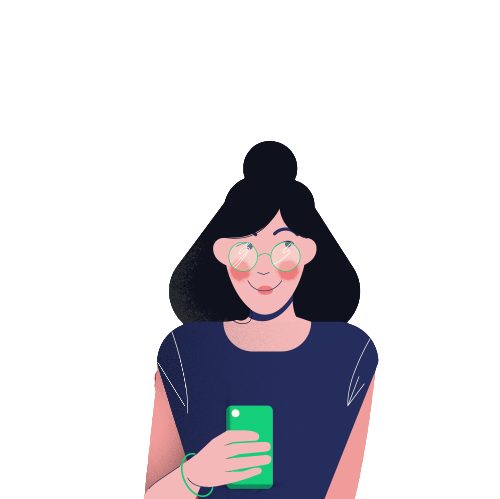
The Selfie Trap: How Chasing Digital Validation Hurts Our Self-Worth
Think about your camera roll for a second. How often have you taken ten, twenty, even thirty selfies in one sitting adjusting the lighting, tilting your head, second-guessing your smile only to delete almost all of them and keep just one?
Then comes round two: you post that single "perfect" photo, and you refresh the screen once, twice, five times, waiting for the notification to land. If the likes come rolling in, you feel an instant lift. If they don't, a quieter, more uncomfortable thought creeps in: did I pick the wrong picture? Am I not attractive enough? Should I take it down?
This cycle has become an everyday reality for millions of people, especially young adults. What started as a fun way to share a moment has, for many, turned into a genuine pursuit of digital approval. So what is this constant need for validation actually doing to us?
Is Selfie Addiction Real? Understanding "Selfitis"
Researchers coined the term selfitis to describe the compulsive urge to take and post photos of oneself. Studies published in the International Journal of Mental Health and Addiction trace problematic selfie-taking to a few underlying drivers:
- Attention-seeking: a genuine wish to be noticed and admired by peers.
- Mood modification: using likes and comments as a quick escape from boredom, sadness, or stress.
- Confidence boosting: leaning on outside compliments to prop up a fragile sense of self-worth.
Once posting turns compulsive, it engages the brain's reward system directly. Every like or flattering comment delivers a small hit of dopamine, and over time, the brain starts craving that rush leaving your sense of self oddly dependent on people you may barely know.
The Hidden Emotional Cost: From Micro-Rejection to Invalidation
Posting a photo looks harmless enough on the surface, but the psychology underneath it can chip away at self-worth in three specific ways.
Rejecting Nine Out of Ten Versions of Yourself
Take ten photos, discard nine over a crooked smile or an unflattering shadow, and you're quietly practicing self-rejection. The message you send yourself is that only a near-flawless version of your face deserves to be seen and over time, that trains your mind to read ordinary features as flaws.
Deleting Photos as an Act of Self-Erasure
When a post underperforms, plenty of people quietly take it down. But removing a photo simply because it didn't get enough approval sends a harsher message underneath: if others don't validate me, I'm not worth showing. That ties your value directly to an algorithm's mood, which is a shaky place to keep your self-worth.
The Exhaustion of External Validation
Relying on likes for a sense of self creates an unstable emotional rhythm confident when engagement is high, deflated when it drops. Over time, that roller coaster leaves people more prone to body dissatisfaction, mood swings, and social anxiety.
How to Break the Cycle and Build Genuine Self-Worth?
Overcoming the validation trap isn't about giving up your phone it's about shifting the center of gravity from external approval to internal acceptance.
- Pause before posting: ask yourself whether you're sharing a happy memory or quietly fishing for reassurance today.
- Embrace one and done: take a single photo to capture a moment instead of retaking it dozens of times, and let it stay unedited.
- Leave low-engagement photos up: challenge yourself to keep a post online even when it gets fewer likes than usual — the number on the screen doesn't measure your worth.
- Take real digital detoxes: set aside screen-free hours to reconnect with things that bring you joy without an audience watching.
Cultivating Emotional Balance with Pehchaan Clinic
If you or someone you love is dealing with body image struggles, low self-esteem, or social media anxiety, know that support is available. Untangling your identity from digital metrics is genuinely hard work, but therapy offers a structured, compassionate way through it.
At Pehchaan Clinic, centrally located for people across Islamabad and Rawalpindi, our psychologists specialize in helping clients rebuild confidence from the inside out. Through personalized, evidence-based care including dedicated therapy for anxiety and self-esteem we help you set healthier digital boundaries and reconnect with genuine self-acceptance.
Take the first step toward reclaiming your peace of mind. Book an appointment with Pehchaan Clinic today.
Frequently Asked Questions
Can selfie addiction be considered a mental health condition?
"Selfitis" isn't a formal diagnosis in the DSM-5, but mental health professionals recognize obsessive selfie-taking as a behavioral pattern closely linked to body dysmorphic tendencies, low self-esteem, and social media addiction.
Why do I feel so anxious or sad when my photos don't get many likes?
Social platforms run on variable reward systems that release dopamine with each like. When a post underperforms, your brain registers a sudden drop from what it expected, which can trigger rejection, inadequacy, and real emotional distress.
How can therapy help me overcome social media anxiety?
Therapy helps you trace validation-seeking behavior back to its roots, reframe negative thoughts about your appearance, build a steadier sense of self-worth, and find practical ways to enjoy online spaces without letting them run your mental health.
Need professional guidance for yourself or your child?
Book an Appointment