Screen Time vs. Speech Delay: What's Really Going On
It's 6 p.m. The day has been long, the house is a mess, dinner isn't ready, and your toddler is mid-meltdown. Out of sheer exhaustion, you hand over your phone, put on a bright, sing-song video, and just like that the crying stops. Twenty minutes of quiet. You finally get to breathe.
If that sounds familiar, hear this first: you are not a bad parent. Raising kids is genuinely hard, and a screen is the easiest babysitter most of us have on hand.
But we also want the best for our children, which is why you might have started noticing something your child isn't talking as much as other kids their age, or they're leaning on gestures instead of words. And a question keeps nagging at you: could the phone be part of the reason?
Let's talk through the link between screen time and speech delay honestly, without the guilt trip.
Why a Screen Can't Teach a Child to Talk
It's tempting to think, "but it's educational they're learning colors, letters, animal names." That logic makes sense on the surface.
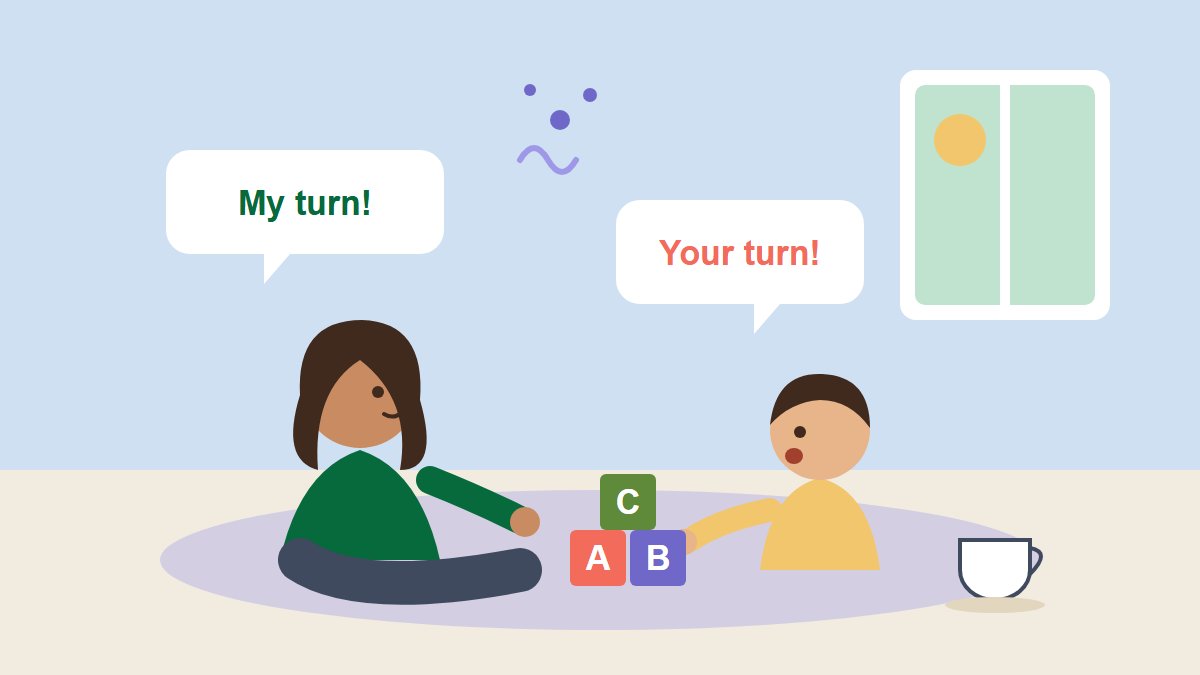
Here's the catch: a toddler's brain learns language through a back-and-forth exchange that child psychologists call serve and return.
- The serve: your child points at a cat outside and makes a sound.
- The return: you glance over, smile, and say, "Yes, that's a fluffy cat, look at its long tail!"
That exchange is where the real learning happens, and it's exactly what a screen can't offer. A video doesn't look back. It doesn't pause when your child babbles, and it can't react to their laugh. Watching a screen puts a toddler's brain into passive receiving mode instead of active communicating mode and every extra half hour spent that way makes it a little harder for them to reach for their own words.
Signs It Might Be Worth a Closer Look
Every child grows at their own pace, so there's no need to panic over one off day. But if screen exposure is high and you're noticing a pattern like the ones below, it may be a gentle nudge to get some extra support:
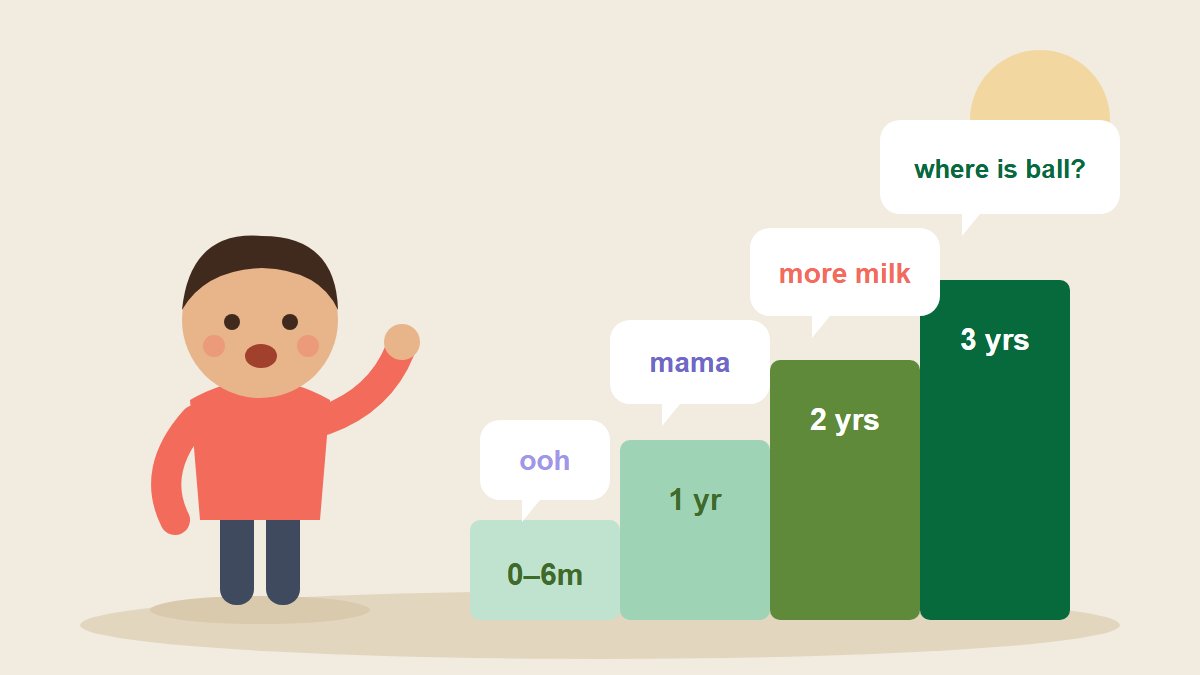
- Around 12 months: not waving goodbye, not pointing at things they want, no babbling sounds.
- Around 18 months: relying on gestures like pulling your hand rather than attempting words, or struggling with simple instructions like "come here."
- Around 2 years: fewer than 50 spontaneous single words, or only echoing back what's said rather than forming their own short phrases, like "want milk."
Small Changes That Add Up
If you're reading this thinking, "I think we've overdone the screen time," there's no need to spiral. A toddler's brain is remarkably adaptable, and small, low-stress habits can shift things quickly:
- Try parallel talk. You don't need a dedicated "teaching session" just narrate whatever's happening. Folding laundry? "Here's a big blue shirt. Fold, fold, fold." It's simple, but it fills their world with real vocabulary.
- Scale back gently. Going cold turkey usually backfires. Start by cutting screen time roughly in half, or keep devices away from meals and the bedroom.
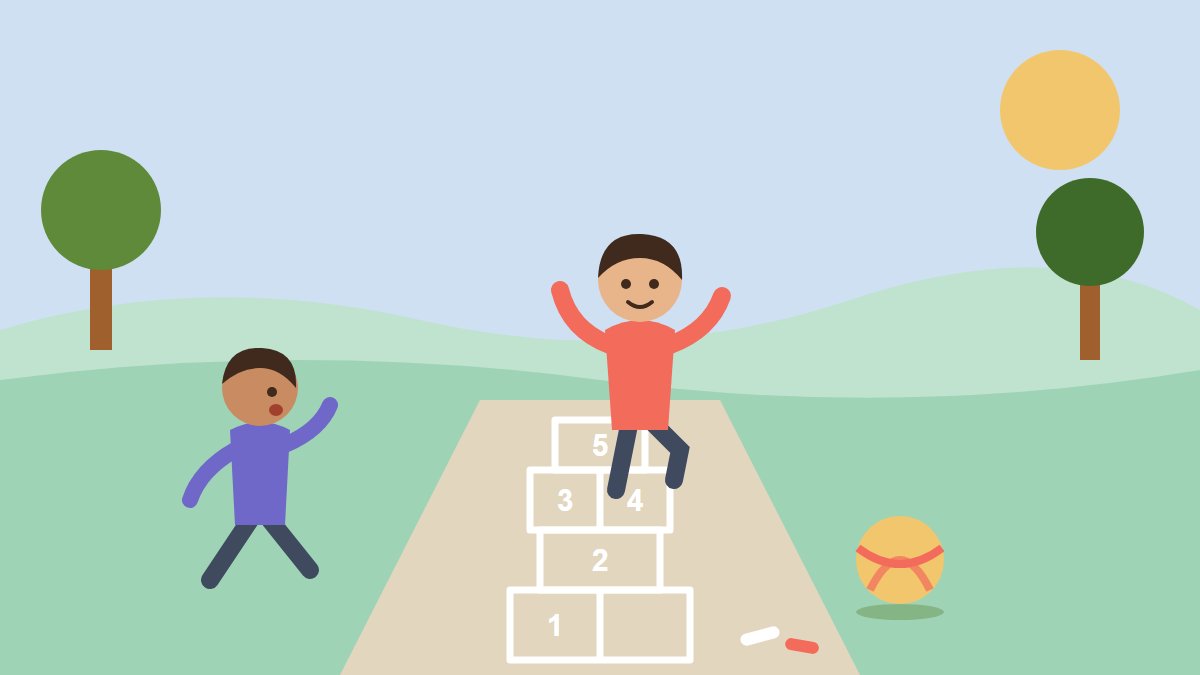
- Turn chores into shared play. Bring them into the kitchen, hand over a plastic bowl and spoon, and talk through the "big spoon" and the "noisy bowl." It occupies them without a screen while building language naturally.
You Don't Have to Figure This Out Alone
Sometimes cutting back on screens is all it takes to unlock a burst of new words. Other times, a child benefits from a bit of professional guidance to close the gap and that's completely okay.
Choosing to get help isn't a failure. It's an act of care.
A Note from Pehchaan Clinic: If your instinct is telling you your child's speech isn't quite on track, don't wait it out of worry. Our certified Speech and Language Therapists are here to support both of you, with no judgment just a warm, dedicated space to help your child find their voice.
Ready to talk? Book a friendly Speech Assessment with our team.
Need professional guidance for yourself or your child?
Book an Appointment