Screen Time and Child Development: How It Impacts Social Skills (Plus Gentle Alternatives)
Maybe you've handed your phone to a cranky toddler at a restaurant just to get through the meal. Or let your child watch "one more video" so dinner could actually get made. If either of these sounds familiar, take a breath: that doesn't make you a bad parent. Screens are woven into modern family life now, and reaching for one during a hard moment is often just what surviving the day looks like.
Still, as devices become a fixture in so many households, parents are starting to notice quieter shifts in how their kids share, communicate, and connect with the people around them. Figuring out how much screen time is too much, and understanding the link between screen time and child development, can help you shape better digital habits for your family without the guilt trip.
How Does Screen Time Affect Social Communication in Children?
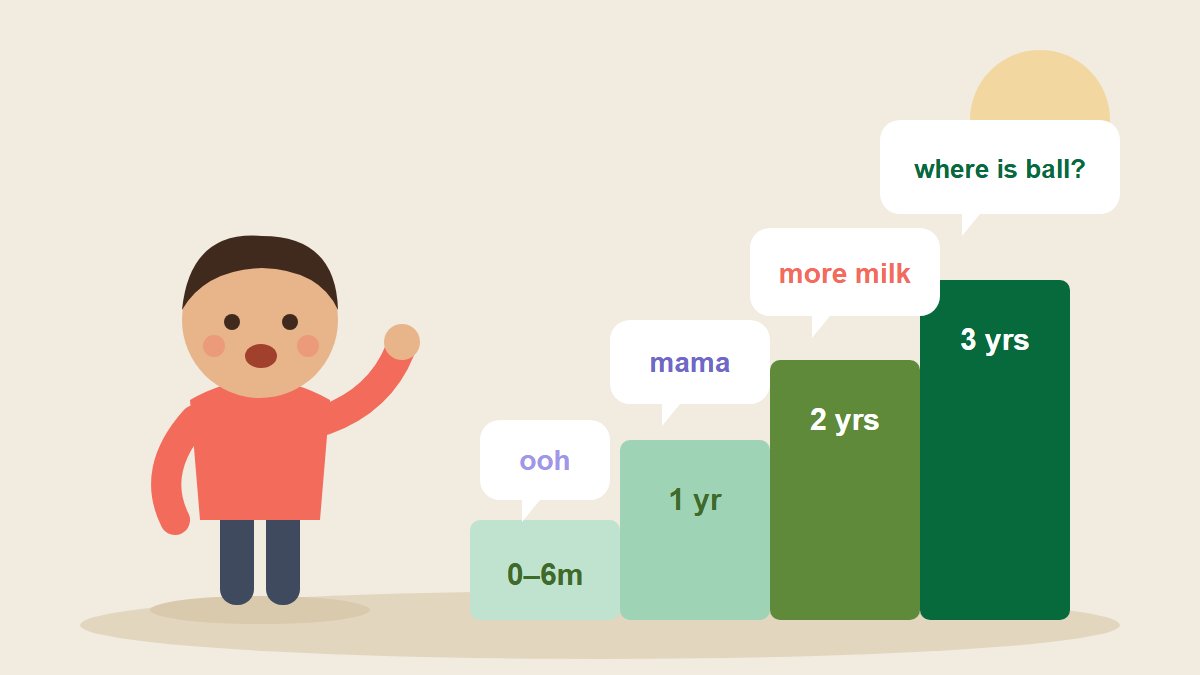
Kids are built to learn through face-to-face contact. Long before they say their first words, babies and toddlers are already reading the world around them watching expressions, picking up on tone, and taking part in "serve-and-return" moments, where a child babbles or points and a caregiver responds right away.
When passive screen time starts crowding out that kind of real-world back-and-forth, a few areas of communication tend to take the hit:
- Trouble reading non-verbal cues. A screen can't make eye contact or shift its body language. Kids who spend a lot of time on devices sometimes struggle to pick up on subtle facial expressions, empathy cues, and tone in everyday settings.
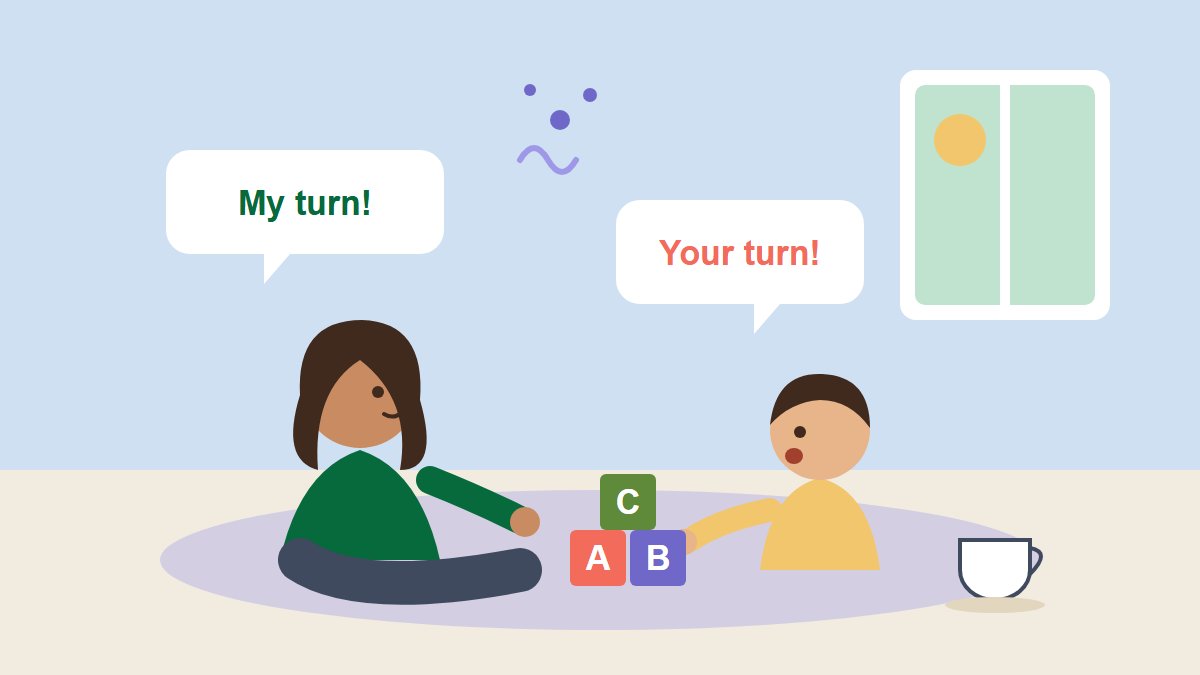
- Difficulty with turn-taking in conversation. Talking with another person means waiting, listening, and responding at a human pace. Digital media, on the other hand, moves fast and rewards instantly which can make real conversation feel sluggish or frustrating by comparison.
- Slower language development. Kids learn language best from other people, not screens. Educational apps can teach a word here and there, but they rarely teach pragmatic language the skill of actually using words to negotiate, express feelings, or ask for help.
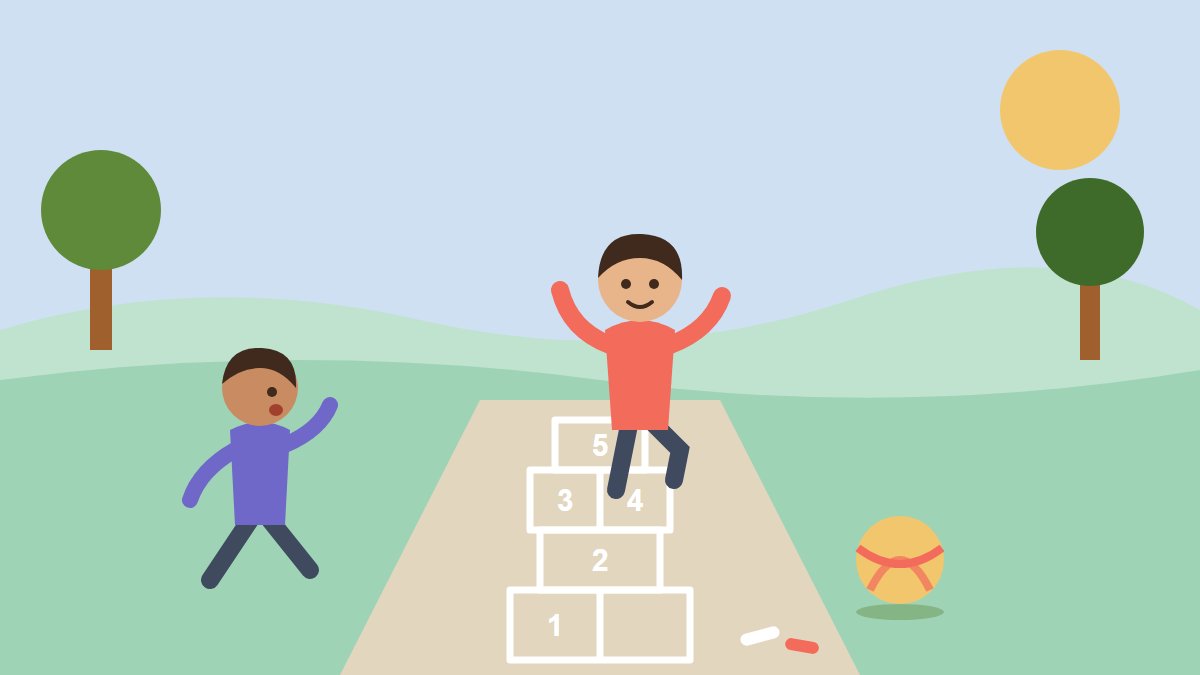
- Fewer chances to solve social problems. Playing with siblings or friends is where kids practice sharing, working through conflict, and compromising. Screen time, by nature, is usually a solo activity so those opportunities just don't come up.
Signs Your Toddler May Be Getting Too Much Screen Time
Not sure if screens are starting to affect your child? Here's what to watch for:
- Big meltdowns or irritability when a device gets turned off
- Trouble playing independently with regular toys
- Less interest in eye contact or social play with peers and caregivers
- Sleep that's more disrupted, or a harder time winding down at night
Screen Time Alternatives: Cutting Back Without the Meltdowns
Yanking a device away cold turkey usually ends in a power struggle. A gentler approach works better instead of treating screens like the enemy, try offering alternatives that meet the same need, whether that's stimulation, rest, or simple distraction.
Here are a few ways to make that shift easier:
1. Build a "Special Activity" Basket
Keep a stash of high-interest, screen-free toys tucked away, and only pull it out when you genuinely need 20 quiet minutes say, to cook dinner or take a call.
What works well: kinetic sand, reusable sticker books, audiobooks, textured fidget toys, puzzle mazes
2. Loop Kids into What You're Already Doing
A lot of screen requests come from boredom while the adults around them are busy. Instead of separating your task from their attention, bring them in:
- Let them wash plastic dishes in a sink of warm, soapy water
- Hand them a damp cloth to wipe the lower cabinets
- Have them match socks or help sort ingredients for a recipe
3. Try Sensory Swaps
Screens deliver a quick hit of dopamine. To make the transition smoother, offer something just as stimulating but sensory instead of digital:
- Water play: a plastic tub, some cups and sponges, and a toddler can stay busy for a surprisingly long stretch
- Movement bursts: a 3-minute obstacle course made from couch cushions and painter's tape can burn off energy fast
4. Set Up "Screen-Free Anchor Points"
Rather than negotiating screen limits all day long, build a few predictable screen-free windows into your routine:
- Mealtimes: keep devices off the table so conversation has room to happen
- Car rides: play "I Spy," put on music, or talk through the day instead
- Bedtime: put screens away at least an hour before sleep to support natural melatonin production
AAP Screen Time Guidelines: What's Actually Recommended for Toddlers
When it comes to setting limits, guidance from groups like the American Academy of Pediatrics (AAP) leans more toward quality and context than strict timers:
| Age Group | Recommended Guidelines |
|---|---|
| Under 18 Months | Skip screen media altogether, aside from video calls with family |
| 18–24 Months | Choose high-quality programming and watch it together |
| 2–5 Years | Cap screen time at about 1 hour a day of high-quality, educational content |
| 6+ Years | Aim for balance, screens shouldn't crowd out sleep, activity, or play |
A Few Principles Worth Keeping in Mind
- Watch together when you can. Co-viewing turns a passive screen session into something interactive talk about what a character might be feeling, ask questions, connect the story to real life.
- Quality over quantity. Slower-paced, educational shows with clear social-emotional themes (think PBS Kids) tend to serve kids better than fast-cut, hyper-stimulating videos or endless algorithmic feeds.
- Pay attention to what screens replace. The real issue usually isn't the device itself, it's what gets pushed out to make room for it. As long as your child is still getting plenty of unstructured play, movement, face-to-face time, and solid sleep, you're doing fine.
Digital parenting was never going to be about perfection. It's about making small, intentional choices enough to keep technology in its place while real connection stays at the center of your child's growth.
Need professional guidance for yourself or your child?
Book an Appointment