Is Your Phone Ruining Your Conversations? The Hidden Impact of Phubbing
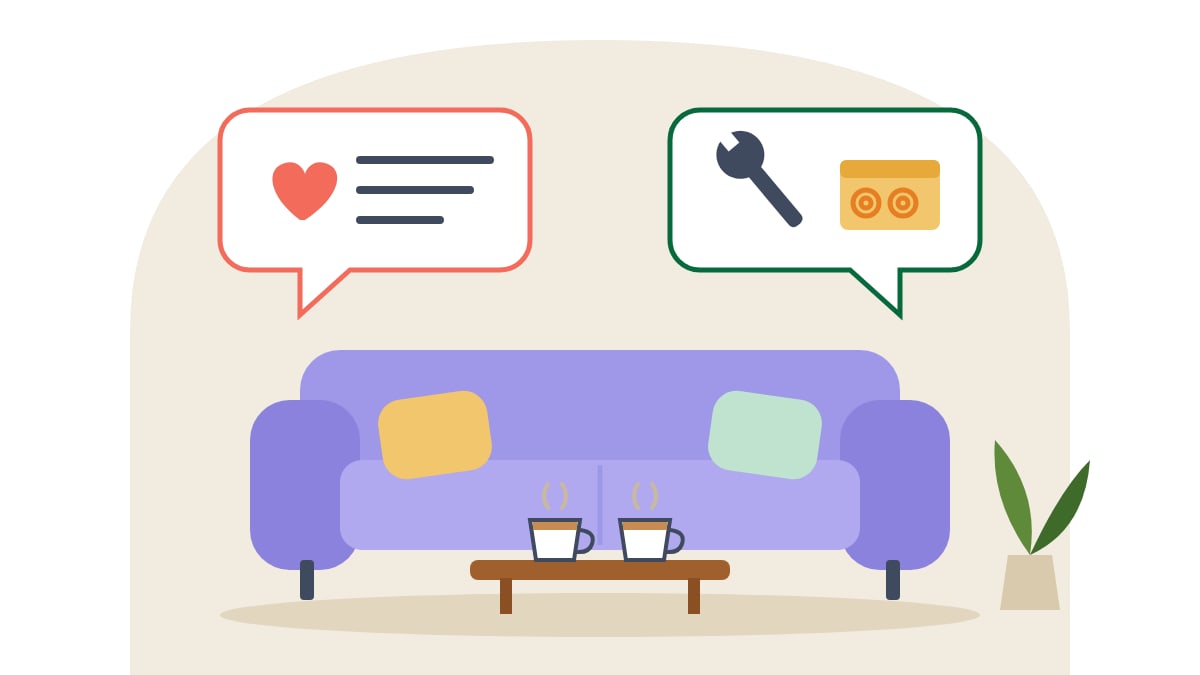
Picture this: you're sharing something meaningful, a personal struggle, a piece of news, just catching up with a close friend over coffee. Mid-sentence, a faint buzz goes off. The person across from you glances down, taps out a quick reply, and looks back up: "sorry, go on, I'm listening."
Even if they heard every word, something about the moment still feels broken.
In a world where phones are always within reach resting face-up on the table or held loosely in hand our devices have quietly worked their way into nearly every face-to-face conversation. It's common enough now that psychologists have a name for it: phubbing (phone snubbing).
A quick glance at a notification feels harmless in the moment, but keeping your phone in sight, or checking it mid-conversation, sends a message to the people around you and it affects connection more than most of us realize.
What Happens When a Phone Enters the Conversation?
Communication runs on far more than spoken words, eye contact, expression, body language, and shared focus all carry weight. A phone in the mix disrupts every one of those, often without anyone noticing exactly why.
The Death of Eye Contact
Eye contact builds trust and intimacy between people. The moment your eyes drop from a face to a screen, that thread snaps even a brief glance is enough to make the other person quietly wonder whether you're really there with them.
Divided Attention and Reduced Empathy
Real empathy takes presence listening with your full attention, not half of it. When your brain is splitting time between a real conversation and a digital one, your ability to actually understand and respond to what someone's feeling drops noticeably.
The Negative Signals Your Phone Sends to Others
You might feel like you can listen and glance at a message at the same time, but that's rarely how it lands for the other person. Here's what reaching for your phone tends to communicate without a word being said.
"You Are Not My Priority Right Now"
Checking your phone mid-conversation quietly says: whatever's on this screen might matter more than what you're telling me. It puts the person in front of you second to whatever just lit up.
"I Am Bored or Disengaged"
Reaching for a device during a lull often reads as restlessness. It tells the other person they aren't holding your interest which can leave them feeling unvalued or like a burden, even when that was never your intention.
"Our Connection Is Replaceable"
Phubbing chips away at psychological safety. When someone feels repeatedly interrupted by a screen, they naturally start sharing less. Over time, that builds real emotional distance, friends, partners, and family members ending up lonely even while sitting in the same room.
How to Reclaim Meaningful Connections
None of this means throwing your phone away, it just means setting a few intentional boundaries to honor the people in front of you.
- Put it out of sight: research shows that a phone visible on the table lowers the quality of a conversation even if it's untouched. A bag, a pocket, or face down in another room works better.
- Set expectations upfront: if you're expecting an urgent call, say so "I might need to check my phone once for a work update, but otherwise I'm fully here."
- Practice active presence: pay attention to body language, ask open-ended questions, and let pauses sit without reaching for a screen to fill them.
Seeking Support for Digital Wellbeing in Islamabad and Rawalpindi
If putting your phone down feels harder than it should, or screen time is quietly straining your relationships and mental health, you're not alone this is one of the more common struggles people bring to therapy today.
At Pehchaan Clinic, conveniently based for residents across Islamabad and Rawalpindi, our mental health professionals offer personalized counseling and mindfulness-based strategies to help you build healthier digital habits and rebuild genuine connection.
Reach out to Pehchaan Clinic today to schedule a consultation and take the first step toward real, distraction-free connection.
Frequently Asked Questions
What is "phubbing," and why is it harmful?
Phubbing is ignoring the person in front of you in favor of your phone. It damages relationships by breaking eye contact, reducing empathy, and leaving the other person feeling unheard or undervalued.
Can having a phone on the table affect a conversation even if I don't use it?
Yes. Studies show a visible phone on the table lowers the perceived quality of a conversation and trust between people, simply by acting as a reminder that an interruption could happen at any moment.
How can I address a friend or partner who constantly checks their phone?
Lead with empathy instead of blame something like, "I really value our time together and want to be fully present with you. Could we try putting our phones away while we catch up?"
Need professional guidance for yourself or your child?
Book an Appointment