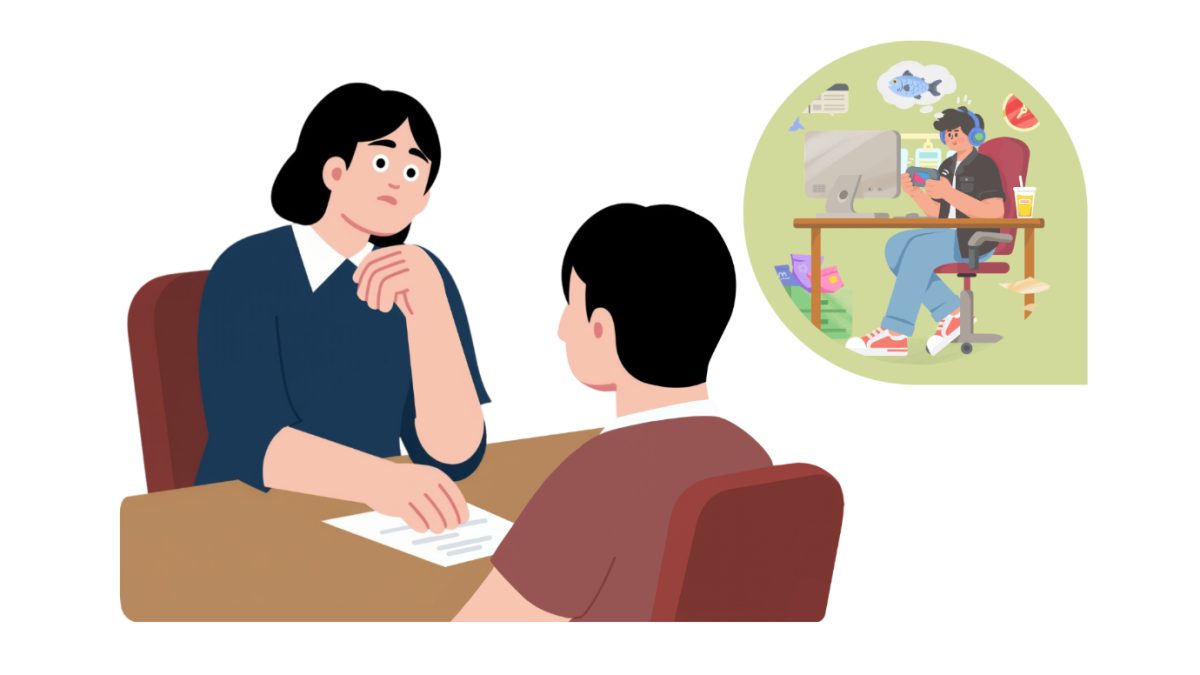
What I See as a Psychologist: How Reels, Shorts, and Screen Time Are Shrinking Our Attention Spans
Have you ever sat down to talk with someone you love, only to catch yourself checking your phone every couple of minutes? Or tried to sit through an entire film without glancing over for those blue double ticks on WhatsApp?
If that sounds familiar, you're in good company.
In my work with individuals and families across Islamabad and Rawalpindi, I see this exact pattern almost daily. The rapid-fire loop of short-form content Instagram Reels, TikToks, YouTube Shorts is quietly reshaping how our brains handle focus, patience, and connection with the people around us.
The Instant Gratification Trap: From Double Ticks to Endless Scrolling
Our brains are wired to chase reward. Once, that reward took real time and effort to earn. Now, a flick of the thumb delivers a hit of dopamine almost instantly.
The Anxiety Behind "Two Ticks"
Those grey and blue ticks on WhatsApp have quietly created an expectation of constant availability. When a reply doesn't arrive right away, anxiety creeps in, and we find ourselves checking the screen over and over.
The Micro-Dopamine Loop of Reels and Shorts
Short-form video is built around constant novelty, refreshing every 15 to 30 seconds. Once your brain adjusts to that rhythm, ordinary life a lecture, a chore, a slow conversation starts to feel painfully slow by comparison.
How Digital Overload Impacts Real Life and Relationships
When short-form content dominates your day, the fallout doesn't stay confined to your screen.
Struggling to Hold Deep Conversations
Real conversations don't come with a skip button. They need long pauses, patient listening, and emotional presence none of which our shrinking attention spans handle easily anymore. For a growing number of people, a genuinely deep conversation now feels draining rather than natural.
Losing Patience with "Real Life"
A quiet evening, a walk outside, or a slow family dinner can start to feel flat next to the constant stimulation of a device. That low tolerance for stillness often shows up as restlessness and a kind of emotional fatigue that's hard to name.
Reduced Focus and Concentration
Trouble concentrating on work, studies, or even a single chapter of a book usually isn't a personal failing — it's a symptom of overstimulation. Jumping between apps and tabs all day wears down your cognitive stamina over time.
Steps to Reclaim Your Focus and Reconnect
Breaking away from digital overstimulation doesn't mean giving up your phone. It means drawing a few boundaries to protect your attention and your relationships.
- Set tech-free zones: keep phones off the dining table and out of the bedroom at night, so rest and conversation can happen uninterrupted.
- Practice micro-pauses: resist reaching for your phone the moment boredom hits. Sitting with that discomfort retrains your brain to tolerate stillness again.
- Prioritize in-person connection: make deliberate time for face-to-face conversations with the people in your community.
Frequently Asked Questions
How do short-form videos affect attention span?
They train the brain to expect constant novelty and quick dopamine hits every few seconds, which makes long-form content, focused work, and slower real-world conversations feel harder to sit through.
Can screen addiction cause difficulty in social interactions?
Yes. Leaning too heavily on digital messaging and fast-paced screens can wear down your patience for real conversation, which shows up as social anxiety, restlessness, and trouble picking up on subtle cues.
When should I seek professional mental health support?
If ongoing distraction, screen overload, or anxiety around digital communication is getting in the way of your work, relationships, or daily peace of mind, a qualified psychologist in Islamabad or Rawalpindi can help you rebuild healthier habits and emotional resilience.
Need professional guidance for yourself or your child?
Book an Appointment