The Scroll of Solitude: FOMO, Social Media, and Our Attraction to Dark Content
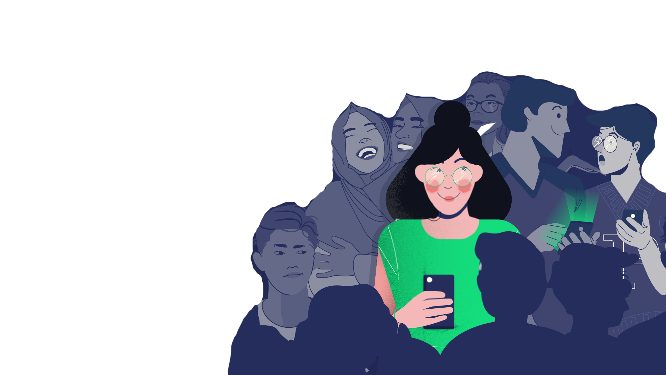
Have you ever found yourself scrolling late at night through photos of a trip you weren't invited to, a milestone you haven't hit yet, or a gathering you missed? That tight, uneasy feeling in your chest part anxiety, part loneliness, part not-quite-enough is a familiar one for a lot of people.
Then, a few posts down, you land on a melancholic poem or a dark, quiet image. Nothing tragic happened in your day, and yet something in you responds. You feel the urge to save it, share it, or put it on your story with a caption like "so relatable."
Why does social media leave us feeling left out one minute and drawn to sadness the next? Understanding the psychology behind FOMO (fear of missing out) and our pull toward dark, sad content can help protect your emotional wellbeing in an increasingly online world.
What Is FOMO, and How Does Social Media Fuel It?
FOMO, the fear of missing out, is that nagging worry that everyone else is having an experience you're not part of. People have always cared about being included, but social media has turned up the volume on that worry considerably.
The Highlight Reel vs. Behind the Scenes
What shows up on a feed is a carefully edited version of reality the best trip, the biggest win, the happiest photo. Scroll through those highlights from your own quiet living room, and your brain starts comparing your ordinary day to everyone else's best moment, creating the illusion that other people's lives are simply fuller than yours.
The Compulsive Feedback Loop
FOMO tends to feed itself: the fear of missing out pushes you to check your phone constantly, and every time you open the app, you run into more of the very content that makes you feel excluded. Research consistently links high FOMO with lower life satisfaction, more anxiety, and worse sleep.
How Social Media Deeply Impacts Our Overall Wellbeing
Beyond FOMO itself, regular social media use quietly reshapes our brain chemistry and emotional baseline.
- Social comparison and inadequacy: constant exposure to idealized bodies, lifestyles, and financial wins' pushes people into upward comparison, which tends to leave them feeling smaller rather than inspired.
- Dopamine fatigue: the unpredictable rhythm of likes and notifications works much like a slot machine, flooding the brain with dopamine. Over time, ordinary pleasures, reading, walking, a quiet chat start to feel dull by comparison.
- Fragmented attention: jumping from a funny clip to a distressing headline to an advertisement within seconds overloads the nervous system, leaving many people with a lingering brain fog and short temper.
The Paradox of Tragic Content: Why Are We Drawn to Dark Poetry and Sad Posts?
It does seem contradictory why go looking for sadness when nothing in your own life is actually going wrong? A few well-studied human tendencies explain it.
Catharsis and Safe Emotional Release
Aristotle noted centuries ago that watching tragedy on stage brought a kind of emotional release, which he called catharsis. Reading dark poetry or sorrowful posts lets us process stress, grief, or plain exhaustion in a safe, contained way. You don't need a real crisis to be carrying weight dark content simply gives that unspoken load somewhere to go.
Vicarious Empathy and Mirror Neurons
Our brains are built for empathy through mirror neurons cells that fire when we watch someone else feel something. Reading a genuinely moving, melancholic poem activates that same mirroring, letting you experience the depth of an emotion without living through the pain that usually produces it.
The Need for Authentic Connection
Social media can feel performative and relentlessly upbeat, while dark or melancholic content often feels raw and honest by comparison. Sharing a sad poem is often a quiet way of saying, "I'm human, and I connect with depth, not just polished smiles" a small signal of realness in a feed full of filters.
How to Build Healthy Boundaries with Digital Media
- Curate your feed: unfollow or mute accounts that leave you feeling inadequate or left out, and make room for ones that inspire calm, learning, or creativity.
- Choose creating over consuming: instead of endlessly scrolling or reposting heavy content, put those feelings into journaling, writing, or another offline outlet.
- Set a digital curfew: switch screens off at least an hour before bed so your nervous system has room to wind down.
Nurturing Your Emotional Wellbeing with Pehchaan Clinic
Working through emotional exhaustion, anxiety, or the quieter psychological toll of digital life can feel like a lot to carry alone. If online interactions or a persistent low mood are affecting your everyday life, professional support can help you find your footing again.
At Pehchaan Clinic, conveniently located for residents of Islamabad and Rawalpindi, our team offers compassionate care for digital burnout, anxiety, and emotional regulation. Through personalized, evidence-based counseling including dedicated support for anxiety and stress, we help you build real resilience and healthier boundaries around technology.
Prioritize your mental health today. Book an appointment with Pehchaan Clinic to start your journey toward balance.
Frequently Asked Questions
What is the difference between FOMO and general anxiety?
FOMO is specifically the distress of feeling that others are enjoying something without you, usually triggered by social media. General anxiety is broader persistent worry that can attach itself to all kinds of real or imagined situations.
Is it unhealthy to share sad or dark poetry if I'm not depressed?
Not necessarily. Engaging with sad or dark content is a normal way to process emotion, feel empathy, and connect with something real. It's worth checking in with a mental health professional only if it becomes a frequent habit paired with genuine hopelessness.
How can therapy help with social media-induced stress?
Therapy can help you spot the negative thought patterns social media triggers, build self-worth that doesn't depend on online validation, manage FOMO, and put practical strategies in place for more meaningful, real-world connection.
Need professional guidance for yourself or your child?
Book an Appointment