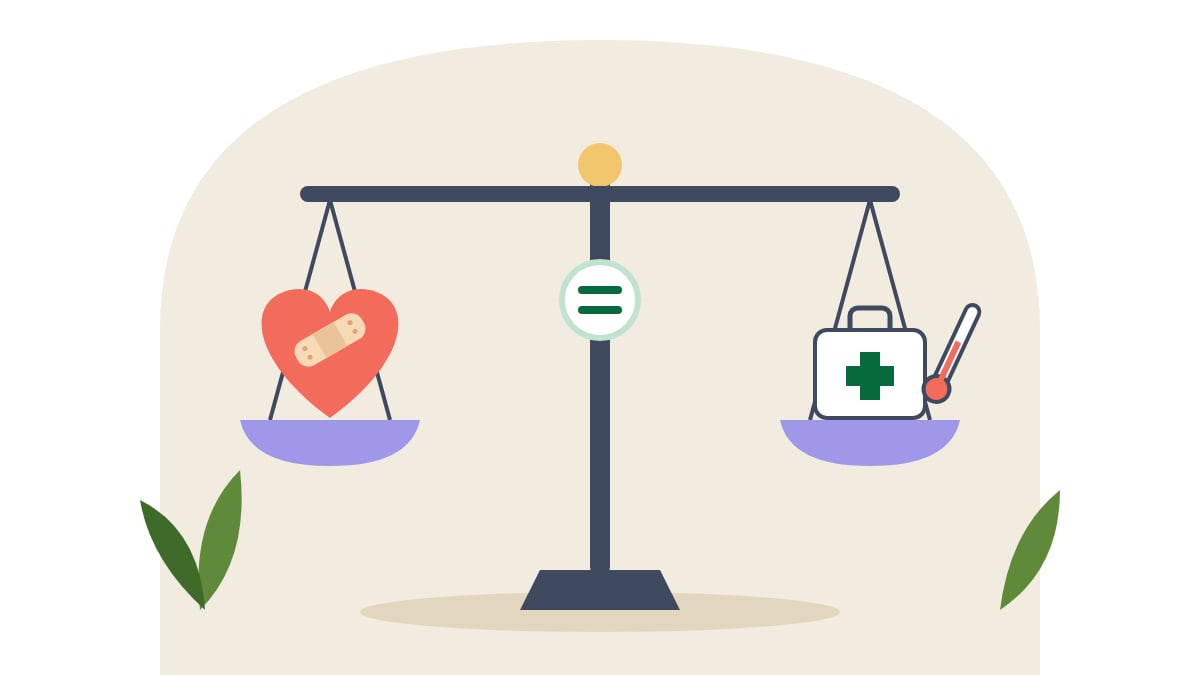
Bridging the Gap: Why Emotional Pain Deserves the Same Attention as Physical Illness
When a teenager tells their parents they have a terrible stomachache, a high fever, or an injury, the response is immediate. Parents book the hospital visit, call the specialist, and step in with urgent care. Physical suffering is treated as real, valid, and worth medical attention.
But when that same young person finally gathers the courage to say, “I'm struggling emotionally and I want to see a psychologist,” the reaction is often very different. Instead of support, many are met with lines like “You don't offer your prayers,” “You've grown distant from religion,” “Just talk to us,” or “These are just things you're creating in your head.”
As a clinical psychologist, I see the damage this divide causes all the time. Belittling a young person's psychological pain, or using religion as a way to dismiss it, doesn't ease their distress. It often pushes them further from their faith, leaves them feeling unheard, and makes their mental health worse.
And when parents finally do seek help, after months or even years of escalating distress, some say to the therapist: “Just tell them to pray. Your therapy won't work.”
To build healthier families across Islamabad and Rawalpindi, we need to take apart these myths, understand what emotional invalidation does to a young person, and treat psychological distress with the same urgency as physical pain.
Common Myths About Youth Mental Health and Therapy
Myth 1: Psychological pain is just a lack of faith or skipping prayers.
The reality: Depression, anxiety, and severe stress are complex psychological and physiological experiences. Prayer alone doesn't instantly heal a broken bone or diabetes, and spiritual practice alone isn't a replacement for medical or psychological treatment. Faith and therapy can sit side by side. In fact, therapeutic tools often help people regain the mental clarity they need to engage fully in every part of life, including their spiritual practice.
Myth 2: Emotional distress is made up, or done for attention.
The reality: Emotional pain overlaps with the brain regions involved in physical pain. When a teenager describes feeling empty, overwhelmingly anxious, or panicked, those are genuine physical and emotional experiences. Dismissing them as attention-seeking isolates the young person and delays early help.
Myth 3: Talking to parents is always enough, so therapy is unnecessary.
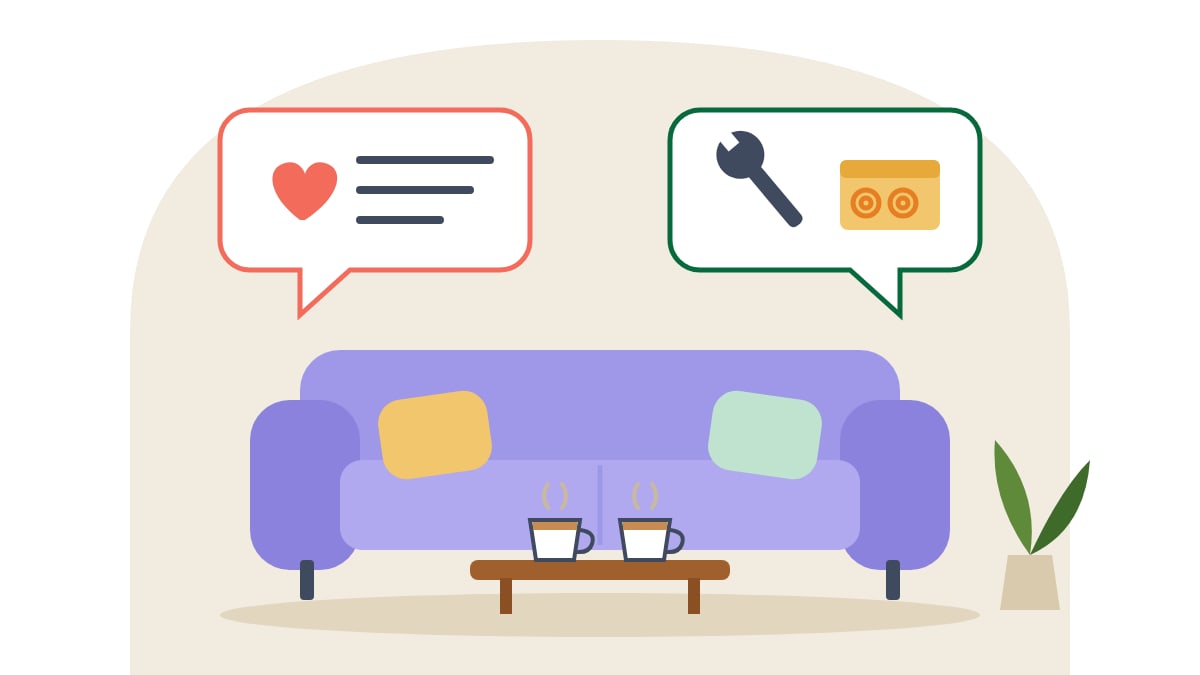
The reality: Open family communication is invaluable, but parents are emotionally invested in their children, which can make neutral, objective guidance hard to give. Clinical psychologists bring evidence-based techniques, specialized assessment, and structured interventions that family conversations can't replace.
Myth 4: Therapy won't help; only religious compliance will fix the problem.
The reality: Therapy offers practical coping strategies, cognitive reframing, emotional regulation, and behavioral tools. It works alongside family support and personal beliefs to resolve deep-seated emotional distress.
The Psychological Impact of Invalidation
When parents answer a child's plea for psychological help by blaming their religious habits or minimizing their feelings, several things tend to follow:
- Spiritual disconnection: When religion is used as a punishment instead of a comfort, young people start to link faith with guilt, resentment, and failure, and drift further from it.
- Escalating symptoms: Unaddressed distress that gets pushed inward leads to more depression, severe anxiety, self-isolation, and physical symptoms.
- Loss of trust: Children stop confiding in their parents, and the wall of silence that follows makes any future crisis much harder to reach.
Responding to Emotional Pain: Treat the Mind Like the Body
Supporting a young adult's emotional well-being means moving from invalidation to active support.
- Listen without judgment: When your child shares a struggle, hold back the lecture and the unrequested spiritual advice. Listen first, to understand.
- Validate their feelings: Try something like, “I can see you're going through a hard time, and I'm here to help you through it.”
- Treat psychological care like medical care: If your child asks to see a clinical psychologist, take it as seriously as a request to see a doctor. Seeking help is a responsible, proactive step.
- Separate faith from blame: Encourage spiritual growth through love and your own example, not as a yardstick to measure or dismiss their suffering.
Every child deserves to feel heard, supported, and believed, whether they're bleeding physically or struggling mentally. When parents respond to emotional pain with empathy and timely professional guidance, they protect their children's psychological health and build a more supportive home.
If your child has asked for help, book a confidential consultation with our team, or read more about family therapy at Pehchaan Clinic.
Clinical review: This article was reviewed and authored in consultation with Tahira Javed, Clinical Psychologist and Hypnotherapist at Pehchaan Clinic. Tahira specializes in adolescent and young adult mental health, family counseling, and integrative psychological support across Islamabad and Rawalpindi.
Frequently Asked Questions
Why do young people feel distant from faith when their emotional pain is blamed on a lack of prayer?
When religious duty is presented as the sole cause of someone's distress, it creates guilt, shame, and a sense of inadequacy. Young adults come to feel that ordinary emotional struggles mean they're failing spiritually, which breeds resentment and a pull away from religious practice altogether.
How can therapy and family support work together for a young person's healing?
Therapy provides specialized cognitive and emotional tools, and family support provides a safe, encouraging place to practice them. When parents back the therapeutic process instead of resisting it, young people tend to heal faster and build stronger trust with their family.
What should a parent do if their child asks to see a mental health professional?
Respond with empathy and openness. Thank your child for trusting you with their feelings, avoid minimizing what they've shared, and reach out to a qualified clinical psychologist to schedule an initial evaluation.
Need professional guidance for yourself or your child?
Book an Appointment