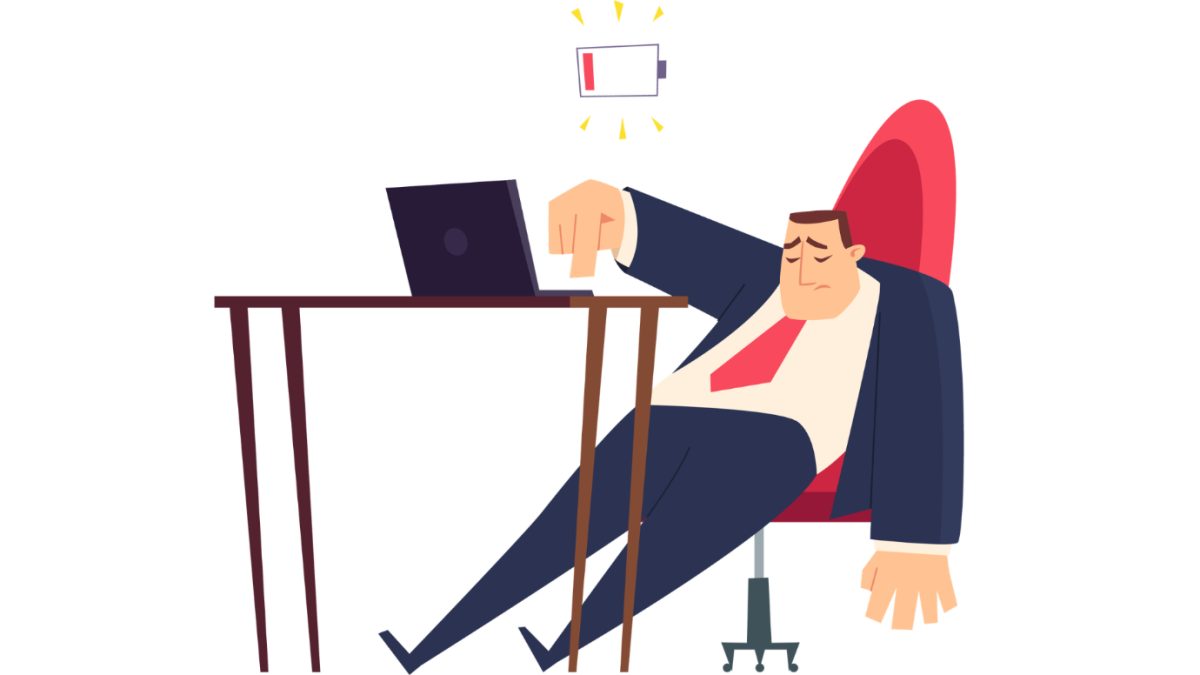
Exhausted After Remote Work? Understanding Digital Burnout and Zoom Fatigue
You log off after an eight-hour shift, step away from the desk, and realize you're completely drained. Your eyes burn, your neck aches, and even small talk feels like an effort. You haven't done any real physical labor, yet your energy is gone.
If that sounds familiar, you're far from alone.
As remote and hybrid work becomes permanent for professionals across Pakistan especially in busy hubs like Islamabad and Rawalpindi, a quieter kind of exhaustion has taken hold: online work fatigue and digital burnout.
Working from a home desk feels convenient enough on paper, but staying logged in, staring at monitors, and hopping between video calls all day takes a real toll on the body and mind.
What Is "Zoom Fatigue," and Why Does It Happen?
Digital burnout is a state of chronic mental, physical, and emotional exhaustion brought on by long screen hours, constant multitasking, and a blurred line between work and home life. A big driver of it is "Zoom fatigue" the specific exhaustion that comes from back-to-back virtual meetings.
Research out of Stanford's Virtual Human Interaction Lab points to a few reasons online interaction wears us out more than sitting in a room together:
- Hyper-intense eye contact: in a physical meeting, people glance around, check notes, look away. On a video call, every face sits close-up and constant, which the brain reads as a subtly stressful situation.
- The mirror effect: watching a live video of your own face pushes you to unconsciously evaluate your expressions and appearance the whole time, which quietly ramps up self-consciousness.
- Reduced physical mobility: in person, people pace, stretch, and shift around. On a call, you're stuck inside a tight camera frame, which adds up to real physical stiffness.
- The extra load of non-verbal cues: non-verbal communication happens naturally face to face. On video, you have to work at it exaggerated nodding, held eye contact, typed reactions and that effort adds up over a full day of calls.
How Long Screen Hours Affect Your Overall Well-Being
Working online for long stretches without real breaks touches every part of health, not just your eyes.
Physical Impact
- Digital eye strain: staring at a screen cuts your blink rate by nearly half, leading to dry eyes, blurred vision, and frequent tension headaches.
- Musculoskeletal pain: poor posture and a static setup bring on "tech neck," lower back stiffness, and repetitive strain injuries.
- Sleep disruption: blue light from laptops and phones suppresses melatonin, delaying deep sleep and compounding the tiredness.
Psychological and Cognitive Impact
- Brain fog and forgetfulness: constantly switching between email, chat, and spreadsheets overloads your working memory, leaving you feeling scattered.
- Sensory overload: a steady stream of notifications and glowing screens keeps your nervous system on edge the kind of strain often addressed through targeted counseling for anxiety and panic.
Emotional Well-Being
- Emotional emptiness: digital interaction lacks the warmth of being physically present with someone, and over time, back-to-back virtual meetings can leave people feeling isolated even while "connected" all day.
- Irritability: once your cognitive resources run low, emotional regulation goes with it which is often why people snap at family or withdraw socially once the workday ends.
Practical Steps to Combat Digital Burnout
You don't need to quit your online job to protect your health. A few deliberate boundaries go a long way.
- Use the 20-20-20 rule: every 20 minutes, look at something 20 feet away for 20 seconds to rest your eye muscles.
- Turn off self-view: once your camera's positioned properly, hide your own feed to remove that constant self-monitoring.
- Build an end-of-day ritual: close every work tab, shut the laptop, and take a short walk outside to signal to your brain that the workday is genuinely over.
- Switch to audio-only when you can: suggest a phone call or turn off cameras whenever a visual presence isn't strictly necessary.
Reclaim Your Balance with Pehchaan Clinic
If digital burnout is leaving you chronically overwhelmed, anxious, or struggling to function day to day, professional guidance can help you rebuild healthier boundaries and coping strategies.
At Pehchaan Clinic, our psychologists in Islamabad and Rawalpindi offer evidence-based care tailored to modern stressors whether you're dealing with work-related stress, occupational exhaustion, or general lifestyle anxiety.
Take a proactive step for your mental health. Book an appointment with Pehchaan Clinic today.
Frequently Asked Questions
What is the primary cause of Zoom fatigue?
It comes from a mix of hyper-intense eye contact, constantly seeing yourself on camera, limited physical movement, and the extra cognitive effort needed to send and read non-verbal cues over video.
How do I know if I'm experiencing digital burnout or just typical tiredness?
Ordinary tiredness usually clears up after a good night's sleep. Digital burnout tends to linger for weeks, showing up as persistent brain fog, physical aches, emotional numbness, and a general loss of motivation.
Can therapy help with work-related stress and burnout?
Yes. Therapy offers personalized tools for managing stress, setting professional boundaries, reframing unhelpful thought patterns, and catching burnout before it develops into more serious anxiety or depression.
Need professional guidance for yourself or your child?
Book an Appointment