Breaking Free from the "Digital Cocaine": How to Reclaim Your Peace in a Screen-Obsessed World
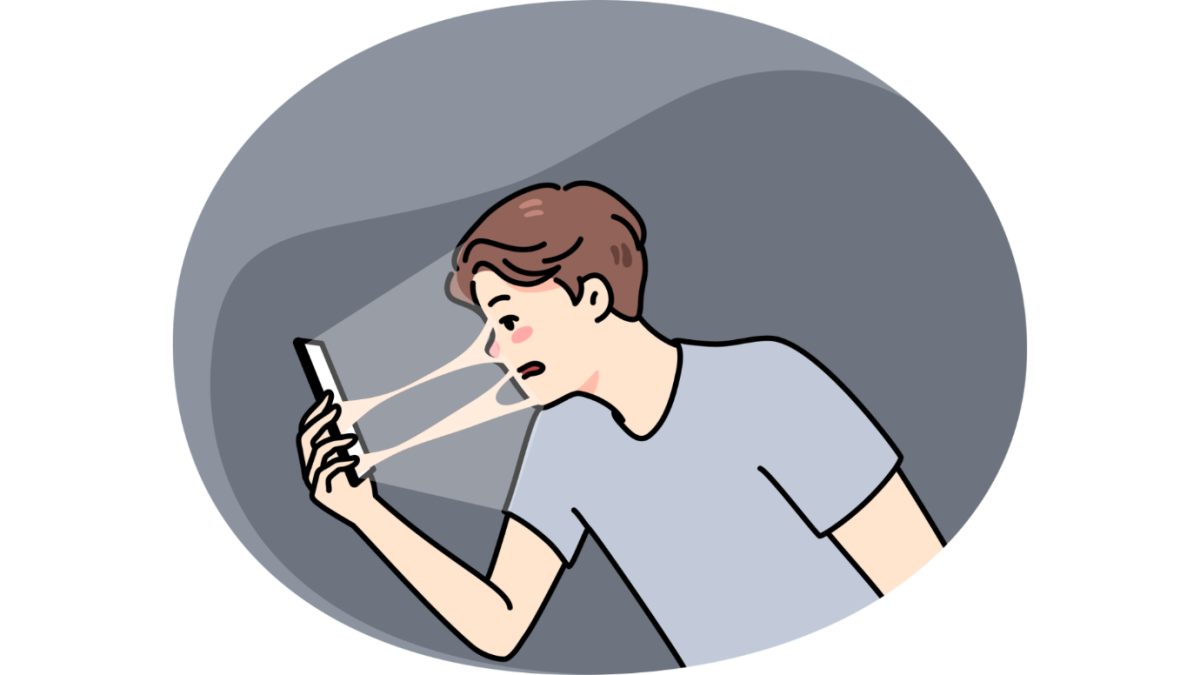
Ever picked up your phone to check one message, only to resurface forty minutes later, still scrolling through reels you don't even remember opening? If that comes with a quiet undercurrent of guilt or exhaustion, you're not alone and you're not failing.
At Pehchaan Clinic, a mental healthcare provider serving Islamabad and Rawalpindi, we talk with parents, young professionals, and students every day who feel stuck in this exact loop. You want to be present in your own life, and yet your hand keeps reaching for the screen almost on its own.
Understanding why this happens is the real starting point for breaking free without shame or self-criticism attached.
What Is "Digital Cocaine"? The Science Behind Screen Addiction
The term "digital cocaine" sounds dramatic, but neuroscientists use it for a reason. Every swipe, refresh, or notification triggers a small release of dopamine the chemical tied to motivation and reward. Over time, that constant exposure reshapes our attention span, leaving us needing more stimulation just to feel engaged.
Why Screens Are Built to Keep You Hooked
- Variable rewards. Like a slot machine, you never quite know when the next "win" a funny video, a text, a like will show up. That unpredictability is exactly what keeps your brain coming back.
- Frictionless consumption. Infinite scroll removes any natural stopping point. There's no bottom of the page, so your brain never gets the cue to pause.
- An easy escape. When stress or anxiety creeps in, a screen offers a quick, low-effort way out.
None of this comes down to willpower. It's a daily match against algorithms built specifically to hold your attention.
Recognizing the Signs of Screen Overload
Screen addiction rarely shows up overnight, it builds slowly, until constant connection starts to feel like the default. Some signs to watch for:
- Compulsive checking — reaching for your phone the second you wake up, or in any small gap of waiting
- Phantom vibration syndrome — feeling your phone buzz when it didn't
- Emotional irritability — restlessness or anxiety when you're separated from your devices, something we often see evaluated in our Counseling for Anxiety and Panic Disorders
- Disrupted sleep and focus — bright screens late at night leaving your brain too wired to rest, which can spill over into school or work performance
If any of this sounds familiar, that's not a reason for self-judgment. It's just a sign your mind could use a little more balance.
Practical Ways to Reclaim Your Focus
Overcoming digital addiction isn't about ditching technology altogether, it's about resetting the relationship so you stay in control.
1. Create Tech-Free Zones
Pick a few spaces in your home where screens simply aren't allowed the bedroom and the dining table are a good place to start. Charging your phone outside the bedroom overnight helps cut down on both late-night scrolling and that anxious morning reach.
2. Try the "10-Minute Delay" Rule
When the urge to check your phone hits, pause and tell yourself:
"I'll check it in 10 minutes."
That small gap is often enough to interrupt the automatic urge-and-reward cycle.
3. Turn Off Non-Essential Notifications
Disable alerts for social media, games, and news apps. Leave notifications on only for calls or messages that actually need your attention right away.
4. Replace Digital Fixes with Real Connection
Dopamine itself isn't the problem, your brain just needs better places to find it. Swap 15 minutes of scrolling for something that actually recharges you:
- A short walk outside
- Journaling, or picking up a physical book
- A real conversation with family, or building stronger routines through Family, Marital, and Parental Counseling
Frequently Asked Questions
Can screen addiction cause anxiety and depression?
Yes. Heavy screen use especially passive social media scrolling is strongly linked to increased anxiety, poor sleep, social isolation, and symptoms of digital burnout.
How do I know if my child needs therapy for screen addiction?
If screen time is leading to intense emotional outbursts when devices are taken away, slipping grades, withdrawal from real-world friendships, or disrupted sleep, it's worth speaking with a professional in Child Psychology and Behavioral Therapy to help set healthier boundaries.
How does Pehchaan Clinic help with digital addiction?
Our clinical psychologists in Islamabad look at the underlying patterns and triggers behind screen habits. Through individual counseling, Cognitive Behavioral Therapy (CBT), and family guidance, we help clients build emotional resilience and healthier habits over time.
How Pehchaan Clinic Can Support Your Journey
Undoing a deep-set habit takes time, patience, and the right strategy. At Pehchaan Clinic (F-8 Markaz, Islamabad, with services also available across Rawalpindi), our team offers personalized counseling to help adults, adolescents, and families work through digital burnout and find their way back to mental clarity.
You don't have to sort through the noise on your own. Book a consultation with Pehchaan Clinic today and take the first step toward a more intentional, peaceful relationship with your devices.
Need professional guidance for yourself or your child?
Book an Appointment