Understanding Suicide Prevention: A Collective Responsibility to Save Lives
Key Points at a Glance
- Understanding the basics: suicide prevention means proactive strategies, early intervention, and accessible mental health support to stop someone from taking their own life.
- A pressing need: rising socioeconomic stress, domestic conflict, and deep-seated stigma in Pakistan make immediate, multi-tiered prevention efforts essential.
- A shared duty: preventing suicide isn’t just a medical challenge, it needs active participation from individuals, communities, workplaces, schools, and government.
- Hope is available: professional guidance, compassionate listening, and breaking the silence around mental health can save countless lives.
What Is Suicide Prevention, and Why Does It Matter?
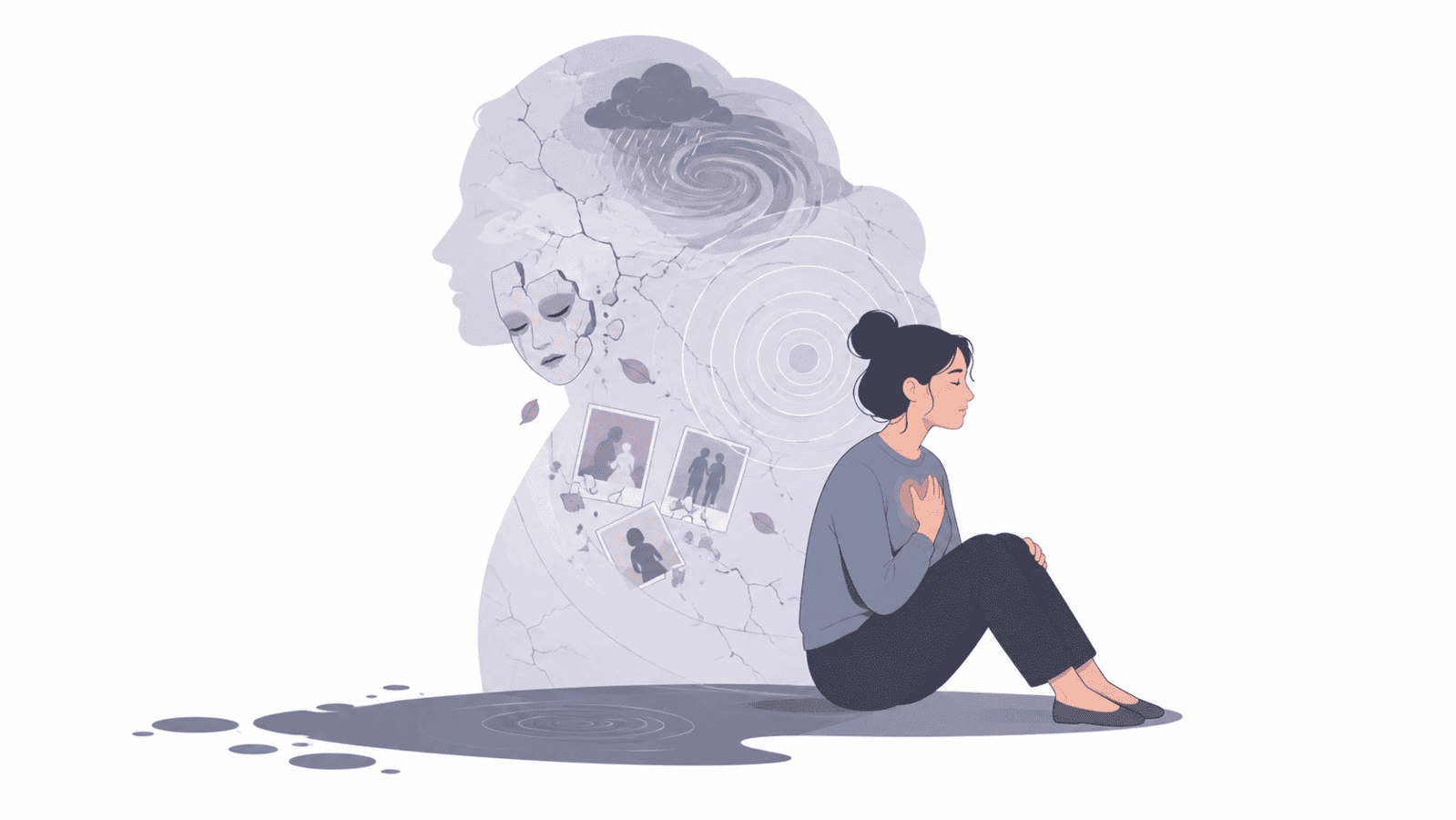
When someone is in intense psychological pain, suicide can mistakenly feel like their only way out. Suicide prevention is the collective work of offering compassionate support, spotting early warning signs, reducing environmental risks, and making sure people can reach mental health care quickly, before a crisis escalates.
In a society like ours, mental health struggles are too often brushed off as weakness or a lack of faith. But emotional distress is a real human experience that deserves genuine support, care, and medical attention. Prioritizing prevention breaks the cycle of silent suffering, replaces stigma with empathy, and builds an environment where asking for help is seen as strength, not failure.
A Look at Our Reality
To understand why prevention matters so much, it helps to look at what’s quietly happening across our own neighborhoods. A multi-year study published in the Community Mental Health Journal, analyzing reported suicide cases across Pakistan, found that over 70% occurred in people under the age of 30, with domestic conflict and financial stress cited as the leading triggers.
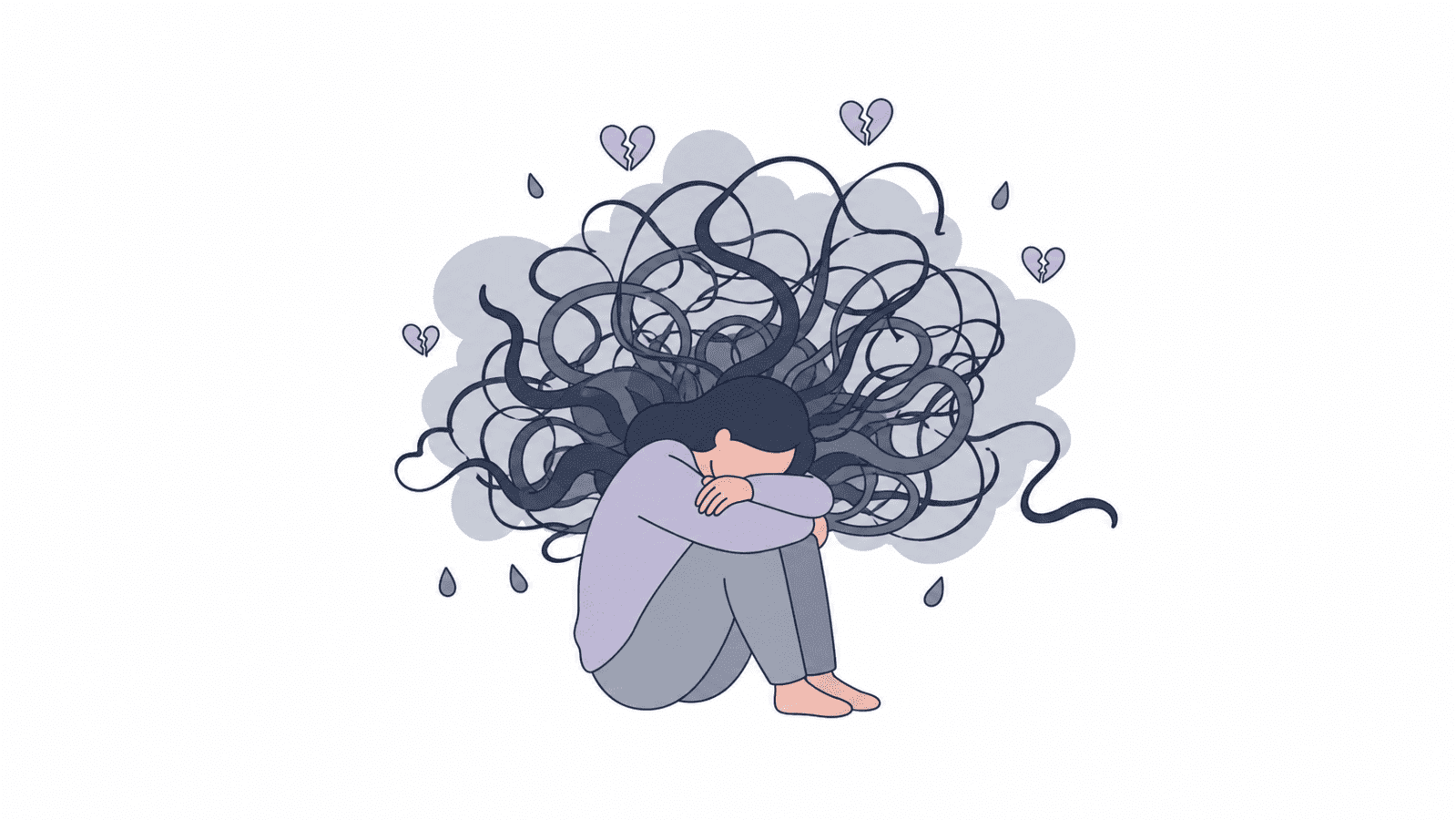
Consider an everyday scenario: a young father working a daily-wage job in Rawalpindi is crushed by anxiety over rising living costs and school fees. Feeling trapped, he withdraws from his family, loses his appetite, and goes quiet, believing he’s a burden. If the people around him read his withdrawal as simple tiredness rather than a cry for help, his crisis deepens unnoticed. Catching these subtle signs early gives us the chance to offer a lifeline before hopelessness takes hold.
The Role of Every Sector in Preventing Suicide
Saving lives takes an integrated effort, with every part of society playing its role.
1. The Role of the Individual
Every person can act as a crucial line of defense simply by paying attention to friends and family. Learning to notice warning signs, a sudden loss of interest in daily life, explicit statements about feeling hopeless, giving away cherished possessions is the first step.
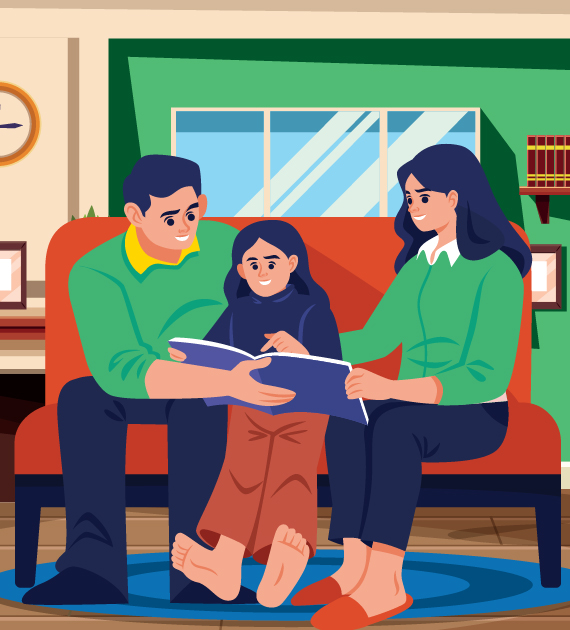
Checking in on a friend who seems unusually distant with a simple, direct question “Are you doing okay, or are you feeling overwhelmed?” can open the door to a life-saving conversation.
2. The Role of the Community
Pakistan’s strength lies in its tight-knit communities, but social stigma often keeps people from speaking up. Neighborhood groups, community elders, and religious leaders have a real opportunity to reshape how mental health is talked about. When the local narrative shifts from judgment to care, communities become places where someone in crisis feels safe seeking support, without fear of being cast out.
3. The Role of Schools and Educational Institutions
Students carry heavy academic pressure, peer expectations, and uncertainty about their future. Educational institutions need to look beyond grades alone, building in emotional literacy, anti-bullying initiatives, and trained on-campus counselors. When schools treat emotional well-being as seriously as marks, students learn healthier coping skills and know exactly where to turn when they’re struggling.
4. The Role of the Workplace
Workplaces in urban hubs like Islamabad and Rawalpindi can easily become pressure cookers. Employers need to prioritize employee well-being through supportive policies, clear work-life boundaries, and confidential Employee Assistance Programs (EAPs). A healthy workplace culture normalizes mental health days and lets staff seek professional support without fearing for their job.
5. The Role of the State
A country’s legislative and public health framework forms the backbone of long-term prevention. Government plays a non-negotiable role here funding mental health services adequately, running national crisis helplines, integrating mental healthcare into primary care centers, and passing supportive laws. Sustained policy is what ensures accessible, affordable care reaches every citizen, regardless of their financial standing.
Prevention starts with the conversations we are willing to have. If you are worried about someone, or carrying more than you can hold yourself, book a confidential consultation with our team, or read more about counseling for anxiety and panic disorders.
If someone is in immediate danger
Don’t leave them alone. Contact emergency medical services or take them to the nearest hospital emergency unit straight away. For ongoing therapy and psychological guidance in Islamabad and Rawalpindi, reach out to Pehchaan Clinic.
Frequently Asked Questions
How can I tell if someone close to me is at risk of suicide?
Common warning signs include talking about wanting to die, feeling like a burden, severe mood swings, withdrawing from friends and family, and expressing deep hopelessness.
Does talking about suicide encourage someone to do it?
No. Research consistently shows that asking someone directly and compassionately whether they’re having thoughts of suicide creates a safe space for them to share their pain, and actually reduces their immediate risk.
Where can someone in Islamabad or Rawalpindi find professional help?
You can reach out to licensed mental health professionals, local psychological clinics, or dedicated psychiatric centers in the Twin Cities that offer confidential counseling and crisis intervention.
Clinical Review: This content has been clinically reviewed by Tahira Javed, Clinical Psychologist and Hypnotherapist, to ensure psychological accuracy, safety, and empathetic communication.
References
- Khan, M. M., & Reza, H. (2000). The pattern of suicide in Pakistan. Crisis: The Journal of Crisis Intervention and Suicide Prevention, 21(1), 31–35.
- Saeed, A., et al. (2023). Sociodemographic Characteristics and Patterns of Suicide in Pakistan: An Analysis of Current Trends. Community Mental Health Journal, 59(6), 1064–1070.
- World Health Organization. (2021). Live Life: An implementation guide for suicide prevention in countries. Geneva: World Health Organization.
Need professional guidance for yourself or your child?
Book an Appointment