Understanding Caregiver Stress: Signs, Causes, and Practical Coping Strategies
Caring for an aging parent, a spouse with a chronic illness, or a family member with special needs is a profound act of devotion. Yet, balancing these intense responsibilities alongside job demands and household chores often leaves family caregivers running on empty. In tight-knit communities across Islamabad and Rawalpindi, family members frequently shoulder these duties alone, managing appointments, medications, and round-the-clock care without adequate rest or respite.
When the demands of caregiving continuously outpace your physical and emotional resources, everyday stress can evolve into caregiver burnout. Recognizing this state and taking steps to safeguard your well-being is not self-indulgent; it is essential for both your health and the health of the person you care for.
What Exactly Is Caregiver Burnout?
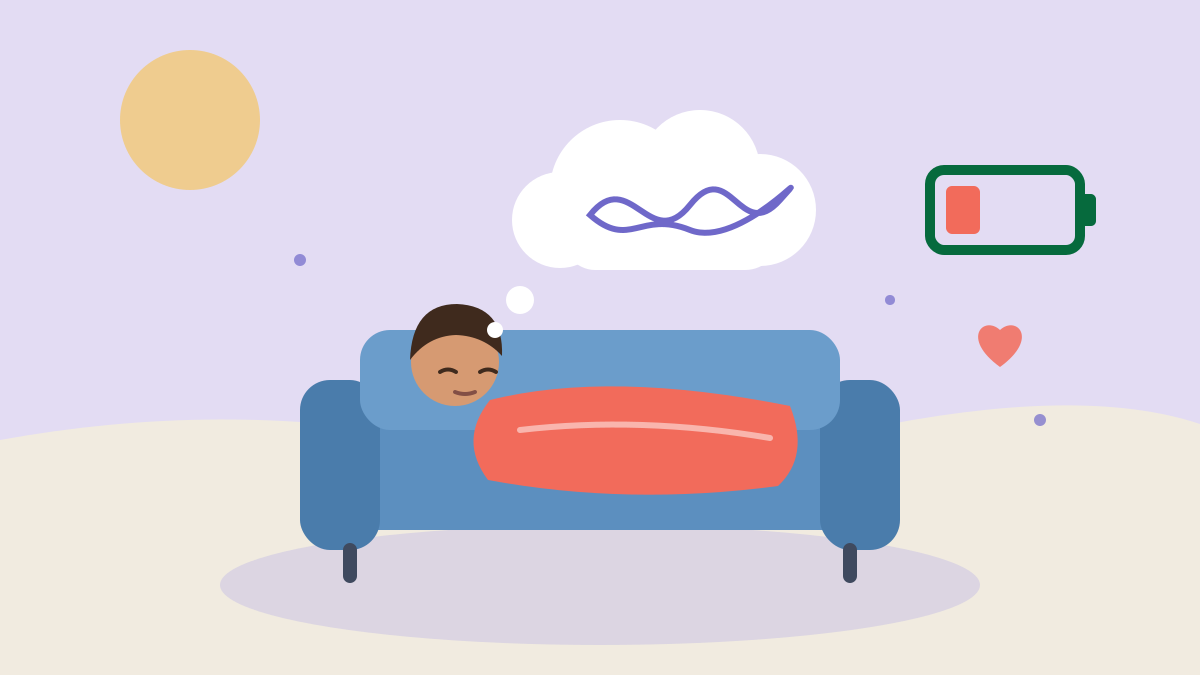
Caregiver burnout is a state of physical, emotional, and mental exhaustion accompanied by a shift in attitude from positive and caring to negative and unconcerned. It occurs when caregivers do not get the support they need, or if they try to do more than they are physically or financially able to manage.
Unlike everyday stress, which typically eases once a task is completed or a busy week ends, burnout develops gradually over time. It creates a deep sense of depletion where even basic tasks feel overwhelming, and caregiving begins to feel more like an unbearable burden than a meaningful responsibility.
Recognized Signs of Caregiver Burnout
Burnout impacts both the body and the mind. Identifying these warning signs early can help you intervene before your health suffers long-term damage.
Physical Signs
- Persistent Fatigue: Feeling exhausted even after a full night's sleep, or waking up feeling unrefreshed.
- Sleep Disturbances: Insomnia, difficulty falling asleep due to racing thoughts, or sleeping excessively.
- Frequent Physical Illness: A weakened immune system leading to frequent colds, headaches, body aches, or flare-ups of chronic health conditions.
- Changes in Appetite: Significant weight loss or weight gain due to emotional eating or skipping meals entirely.
- Digestive Issues: Frequent stomach upsets, nausea, or tension-related gastrointestinal problems.
Emotional and Psychological Signs
- Emotional Detachment: Feeling numb, disconnected, or indifferent toward the loved one receiving care.
- Irritability and Anger: Short-tempered responses, frequent outbursts, or frustration over minor household interruptions.
- Pervasive Hopelessness: A constant feeling that things will never get better or that your efforts make no real difference.
- Guilt and Self-Doubt: Blaming yourself for feeling tired or feeling guilty whenever you step away for personal time.
- Social Withdrawal: Pulling away from close friends, extended family gatherings, or hobbies you once enjoyed.
Actionable Strategies to Cope with Caregiver Stress
Managing caregiver stress requires intentional action, practical adjustments, and emotional processing. Implementing structured strategies helps restore balance and protects your overall mental well-being.
1. Establish Structured Support and Share the Load
- Delegate Daily Tasks: Make a concrete list of responsibilities, such as purchasing medications, preparing meals, or handling hospital visits. Divide these tasks among extended family members or trusted friends.
- Utilize Respite Opportunities: Arrange for a relative or private home-care aide to step in for a few hours each week so you can leave the house, run personal errands, or simply rest uninterrupted.
2. Practice Daily Emotional and Physical Self-Care
- Set Boundary Rules: Learn to say no to non-essential requests outside of your core caregiving duties. Protecting your remaining energy is vital.
- Prioritize Micro-Breaks: Incorporate short, 10-minute breaks into your day for gentle stretching, deep breathing exercises, or a quiet walk outdoors in your local neighborhood.
- Maintain Health Routines: Keep up with your own medical checkups, eat balanced meals regularly, and protect your sleep schedule as strictly as you do your loved one's medication schedule.
3. Shift Mindsets and Address Caregiver Guilt
- Acknowledge Complex Emotions: Accept that feeling frustrated, sad, or overwhelmed is a natural reaction to long-term caregiving, not a reflection of your character or love for the family member.
- Release Perfectionism: Focus on what is realistic and manageable each day rather than trying to perform every single task perfectly.
4. Seek Professional Mental Health Guidance
- Professional Counseling: Speaking with a qualified psychologist or hypnotherapist provides a neutral, safe space to process complex emotions, reduce anxiety, and learn coping mechanisms tailored to your life.
- Caregiver Support Groups: Joining local or online support groups connects you with others who share similar experiences, reducing feelings of isolation and offering practical advice.
Frequently Asked Questions (FAQ)
What is the difference between caregiver stress and caregiver burnout?
Caregiver stress is the strain experienced due to the high demands of caregiving, where you may still feel energetic enough to manage tasks. Caregiver burnout is a later stage of chronic stress where you feel completely exhausted, detached, hopeless, and physically drained.
How can I ask family members for help without causing conflict?
Be specific and task-oriented rather than expressing general frustration. Instead of asking for vague help, request assistance with specific needs, such as picking up prescriptions every Tuesday or staying with your loved one on Sunday afternoons.
Why do I feel guilty whenever I take a break from caregiving?
Caregiver guilt often stems from unrealistic expectations that you must handle everything yourself. Remind yourself that taking time to rest recharges your energy, allowing you to provide better, safer care over the long term.
References
- Cleveland Clinic. (2023). Caregiver Burnout: What It Is, Symptoms & Prevention. Retrieved from https://my.clevelandclinic.org/health/diseases/9225-caregiver-burnout
- Mayo Clinic. (2023). Caregiver Stress: Tips for Taking Care of Yourself. Retrieved from https://www.mayoclinic.org/healthy-lifestyle/stress-management/in-depth/caregiver-stress/art-20044784
- Khyber Medical University Journal. (2021). Demographic Differences on Caregiver Burden, Psychological Distress and Hopelessness Among Caregivers. KMUJ, 13(4).
- ConsidraCare. (2024). The Emotional Impact of Caregiving: Tips to Manage Stress and Burnout. Retrieved from https://www.considracare.pk/the-emotional-impact-of-caregiving-tips-to-manage-stress-and/
Need professional guidance for yourself or your child?
Book an Appointment