When Pain Is Invisible: How Families Can Support Loved Ones Fighting Autoimmune Conditions
Living with an autoimmune or autoinflammatory condition means managing a body that is constantly at war with itself. From debilitating joint pain and chronic fatigue to persistent brain fog, the physical strain is immense. Yet, for many patients, the heaviest burden is not the physical pain, it is the emotional hurt caused by misunderstandings within their own homes.
When an illness shows no outward signs like a cast, a bandage, or a high fever, family members often struggle to grasp its severity. Misinterpreting genuine physical limitation as laziness or emotional exaggeration creates a silent divide. Understanding how to transform household dynamics from a source of strain into a refuge of healing is essential for every family navigating chronic illness.
Key Points
- Invisible Reality: Physical symptoms of autoimmune diseases occur internally, making validation from family a vital biological and psychological need.
- Impact of Words: Unintended hurtful remarks deepen emotional distress, trigger stress responses, and worsen physical flare-ups.
- Proactive Empathy: Family support involves active listening, adjusting expectations, and educating oneself on the unpredictable nature of flare-ups.
- Practical Care: Helping with daily pacing, respecting boundary calls, and offering quiet presence reduce the patient's cognitive and physical load.
- Family Guidance at Pehchaan Clinic: Structured psychoeducation helps families in Islamabad move from skepticism to compassionate partnership.
Understanding the Hidden Struggle: Why Families Miss the Signs
Autoimmune and autoinflammatory diseases are fundamentally unpredictable. A person may feel relatively capable on Tuesday morning, only to be completely bedridden by Wednesday afternoon. Because the immune system attacks healthy tissues internally, a person experiencing intense neuroinflammation or severe bodily exhaustion can look completely healthy on the outside.
In many Pakistani households across Islamabad and Rawalpindi, family life centers around active participation, attending long family dinners (dawat), managing domestic chores, or fulfilling social obligations. When a loved one continuously steps back from these activities, family members who do not understand the mechanics of chronic illness often jump to hurtful assumptions.
The Unintended Weight of Hurtful Remarks
Words carry immense weight, especially when they come from parents, spouses, or siblings. Casual comments made at the dinner table or during family discussions can leave deep emotional scars:
- "Tum toh har waqt hi thaki rehti ho" (You are tired all the time)
- "Thora sa chal phir lo, khud hi theek ho jao gi" (Just walk around a bit, you will get better on your own)
- "Hum bhi toh kaam karte hain, hum bhi thakte hain" (We also work, we also get tired)
- "Har waqt ka drama hai, doctor ke paas jane ki zaroorat nahi hai" (It is an ongoing drama, there is no need to visit the doctor)
These statements, even when spoken out of frustration or a lack of knowledge, communicate invalidation. Hearing that your genuine physical suffering is seen as an excuse creates a profound sense of isolation. Research in health psychology consistently shows that family invalidation increases chronic stress, which directly triggers systemic inflammation and worsens physical flare-ups.
The Role of the Family: Moving from Skepticism to Active Support
Supporting a family member with an invisible illness does not require you to have a medical degree. It requires a willingness to listen, learn, and adapt how you communicate.
1. Believe Their Experience Without Demanding Proof
The foundational step in supporting a loved one is believing their report of pain without requiring visible evidence. If they tell you their joints are throbbing or their brain feels too foggy to hold a conversation, accept it as an absolute truth. Replacing "You looked fine an hour ago" with "Thank you for letting me know how you feel right now" instantly lowers their anxiety.
2. Educate Yourself on Chronic Fatigue and Inflammation
Chronic fatigue is fundamentally different from normal tiredness. Rest after a long day cures tiredness; resting with an autoimmune condition often does not restore energy because the body is spending its metabolic reserves fighting internal inflammation. Taking the time to read articles, watch educational videos, or consult medical resources helps family members realize that symptoms are physiological, not behavioral.
3. Practice Active and Unconditional Listening
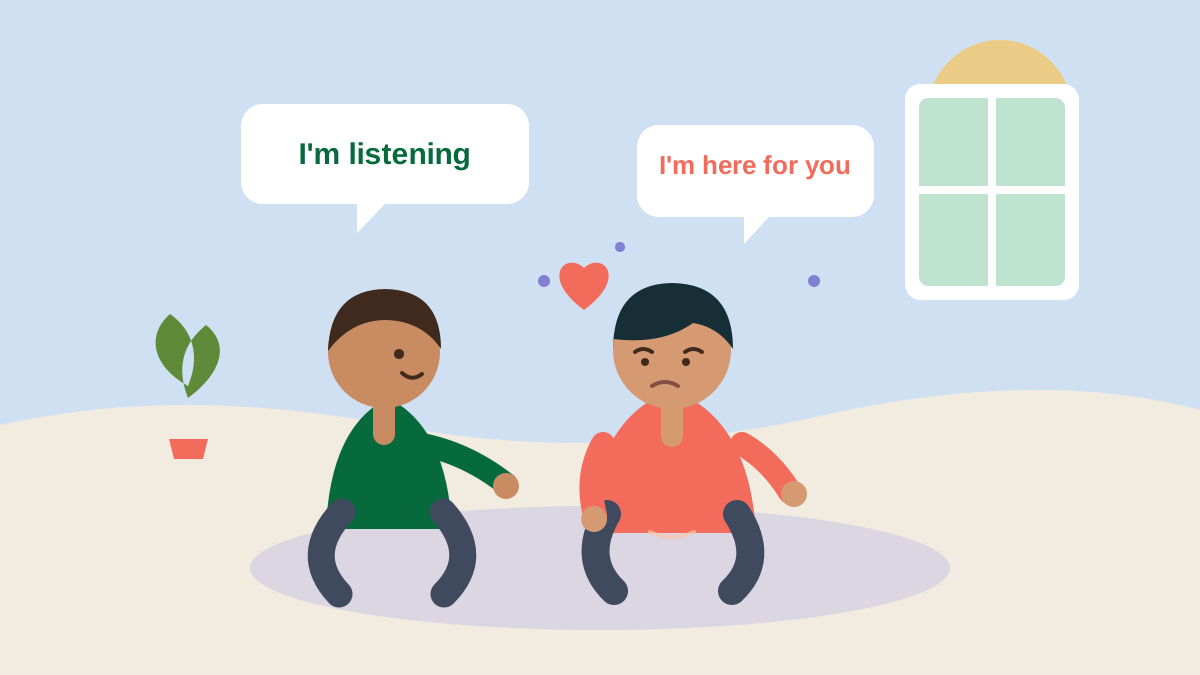
When a family member opens up about feeling overwhelmed, suicidal, or exhausted from fighting their body every day, avoid rushing in with toxic positivity or unasked advice like "Think positive" or "Drink more herbal tea." Instead, sit with them in their reality. Saying, "I am so sorry you are carrying such a heavy load today, and I am here with you" provides deep emotional safety.
4. Adjust Household Roles and Respect Pacing
In a supportive home, expectations adjust dynamically depending on flare-up cycles. If a daughter, wife, or sibling cannot assist with kitchen work or household chores during an inflammatory peak, step in without making them feel guilty or burdened. Encouraging them to pace themselves—resting before they hit complete exhaustion, helps prevent prolonged medical crashes.
How Pehchaan Clinic Helps Families Heal Together
Navigating chronic illness is a collective journey. At Pehchaan Clinic, located in Pakland Medical Center, F-8 Markaz, Islamabad, we recognize that healing cannot happen in isolation if the home environment remains a source of stress.
Our psychological practice integrates family psychoeducation sessions into chronic illness management. We provide a neutral, empathetic space where qualified clinical psychologists help family members understand neuroinflammation, process their own emotional anxieties, and learn practical communication tools. By replacing judgment with structured understanding, we help families transform their homes into safe, supportive havens.
Frequently Asked Questions
How can I help my family understand my illness when they refuse to believe it?
Bringing a trusted family member to a psychoeducational therapy session or sharing articles written by medical professionals can help bridge the gap. Hearing about the condition from a qualified neutral professional often helps family members accept the diagnosis.
What should a spouse do during a severe autoimmune flare-up?
Focus on reducing decision fatigue for your partner. Handle immediate practical tasks, such as meals, quiet environment setup, or medication management, without asking them to coordinate. Offer a calm, reassuring presence without demanding social interaction.
How does family stress directly affect physical health in autoimmune patients?
Emotional distress triggers the hypothalamic-pituitary-adrenal (HPA) axis, releasing stress hormones like cortisol and adrenaline. In a chronically inflamed body, elevated stress signals amplify pain sensitivity and trigger disease flare-ups.
Finding Unity and Healing in the Home
Living with an invisible condition is a long, complex journey, but no one should have to navigate it feeling misunderstood by the people they love most. When families choose empathy over judgment and curiosity over dismissal, the emotional burden on the patient lightens significantly.
If your family is struggling to navigate the emotional weight of a chronic medical condition, professional support is available. At Pehchaan Clinic in F-8 Markaz, Islamabad, our compassionate team is dedicated to guiding both patients and their families toward mutual understanding, emotional resilience, and lasting peace.
References
- Evers, A. W., Zautra, A., & Thieme, K. (2011). Stress and resilience in rheumatic diseases. Current Opinion in Rheumatology, 23(2), 196-202.
- Rizvi, D. A., & Khan, H. M. (2019). Psychosocial burden and family invalidation in chronic illness patients: A tertiary care study in Pakistan. Pakistan Journal of Medical Sciences, 35(4), 1102-1107.
- Juth, V., Smyth, J. M., & Santuzzi, A. M. (2008). How family invalidation impacts psychological distress and physical health in chronic illness. Journal of Behavioral Medicine, 31(5), 425-434.
Need professional guidance for yourself or your child?
Book an Appointment