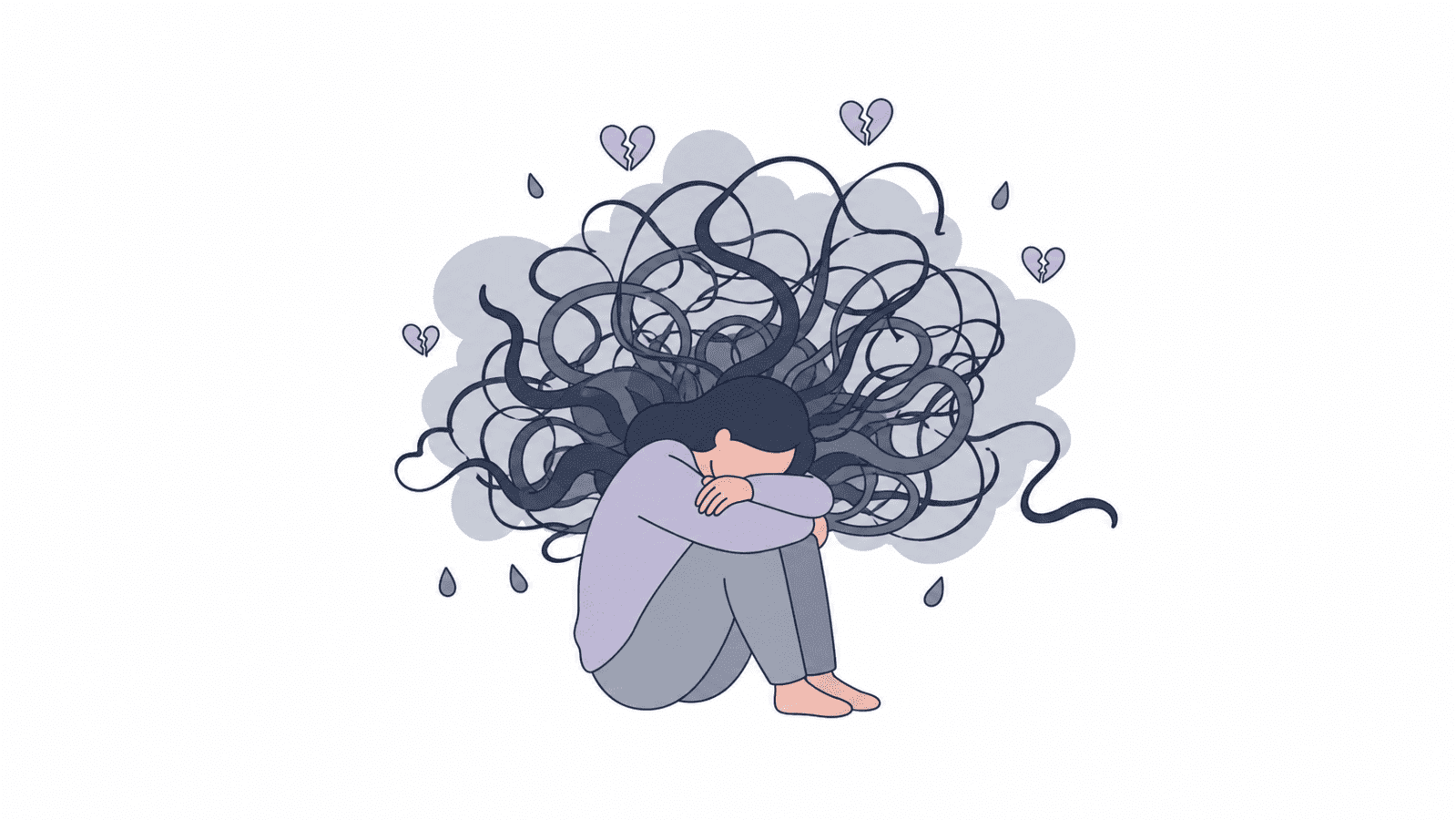
Hidden Trauma: How Suppressed Grief Shapes Long-Term PTSD
Key Points
- Cultural pressure to host guests and “stay strong” often forces grieving people to bury what they’re actually feeling.
- Suppressing sorrow creates a kind of toxic positivity that delays healing and raises the risk of PTSD.
- Gendered expectations, telling men not to cry, pushing women straight into caretaking deepen the psychological toll.
- Real healing needs quiet, safe space to process loss, not a rush back to normal life.
- Community members can help most by handling logistics, protecting the family’s privacy, and making room for silent, unjudged grief.
When Support Turns into Pressure
Losing a close family member shatters your world. In our culture, the community shows up fast meals arrive, the house fills with people and conversation. The intention is good, but the reality often feels like too much. Instead of giving a grieving family room to weep, people frequently rush in to stop the tears. Well-meaning visitors say things like, “Don’t cry, your loved one would be upset seeing you like this,” or “You have to be brave for everyone else.”
In many Pakistani households, this quietly shifts the focus from healing to hospitality. You might find yourself managing chores, serving tea to a stream of guests, and making sure everyone else is comfortable, all while your own world is falling apart. The message, even if unspoken, is that talking about the pain isn’t helpful so you bottle it up instead. Gender roles make this heavier still: men are told “you’re the man of the house now, you can’t cry,” while women are expected to set their grief aside to run the household and look after younger siblings or elders.
Picture a family in Lahore or Rawalpindi who loses a parent suddenly. The eldest son gets pulled straight into funeral logistics, receiving guests, carrying the weight of the family without a single quiet moment to sit with what’s happened. Meanwhile, his sister is repeatedly told to stop crying so she can help cook and serve the relatives coming through the door. On the surface, the family looks composed and resilient. Years later, though, that same son might find himself gripped by panic whenever the phone rings at night, and his sister might struggle with anxiety and emotional detachment she can’t quite explain.
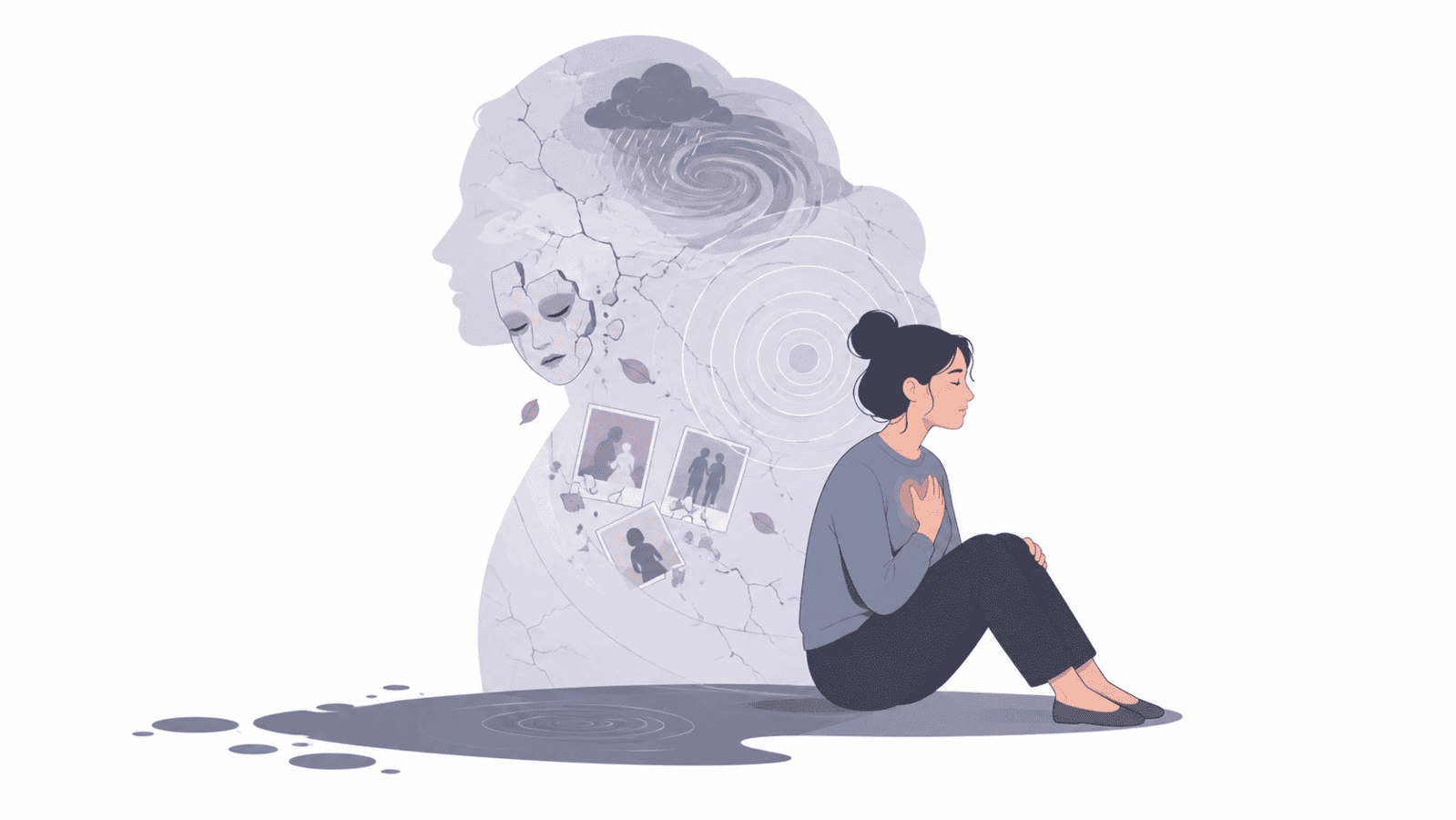
Research on grief and trauma backs this up: when acute sorrow is consciously suppressed, that unresolved emotional energy doesn’t just disappear, it stays lodged in the nervous system. Blocking genuine emotional expression significantly raises the risk of complex PTSD symptoms, including intrusive memories, emotional numbness, hypervigilance, and physical pain with no clear cause.
When someone isn’t given the time or freedom to actually process a loss, their mind stays stuck in a kind of unresolved shock. Forcing a person to “be okay” doesn’t remove the pain it just buries it under exhaustion and an unfair sense of responsibility. Over time, that unexpressed grief wears down a person’s mental health, contributing to depression, burnout, and strained relationships, because they never felt safe enough to actually be vulnerable.
What Real Support Looks Like?
Changing this pattern means the community shifting from expecting performance to offering genuine protection. A few small, intentional things make a real difference when visiting a grieving household in Islamabad or Rawalpindi:
- Take hospitality completely off their plate. Don’t expect the family to make tea, serve guests, or tidy the house. Relatives and neighbors should quietly step in to handle food, cleanup, and guests so the immediate family can actually rest.
- Make space for silence and tears. Instead of “stay strong” or “stop crying,” just sit with them. Something as simple as, “You don’t have to say anything, and you don’t have to hold it in,” gives real permission to feel.
- Protect a private, quiet space. Set aside a room in the house where the immediate family can step away from the crowd without it feeling rude or disconnected.
- Push back on rigid gender roles. Let grieving men express their grief fully, without labeling it weakness. In the same way, step in to take household or caretaking duties off women so they have equal room to mourn.
- Skip the silver linings. Resist the urge to explain the loss away with platitudes. Focus on listening if they want to talk about their loved one, or simply being present if they’d rather stay quiet.
Being allowed to mourn fully, without performance or pressure, matters for long-term mental health. If you or someone you care about is carrying unresolved grief, professional support can help bring those buried emotions to the surface and work through them in a safe, compassionate space.
Reach out to Pehchaan Clinic for a private consultation, or learn more about counseling for anxiety and panic disorders if suppressed grief has started surfacing as panic or hypervigilance.
Frequently Asked Questions
Why is it harmful to tell a grieving person not to cry?
It invalidates a natural emotional response and traps grief inside the body, which raises the likelihood of long-term trauma and anxiety down the line.
How does suppressing grief lead to PTSD?
When grief gets postponed or hidden so someone can care for others, the mind never gets to fully process what happened. That unresolved emotion tends to resurface later as intrusive thoughts, panic, or hypervigilance.
What’s the best way to help a grieving friend or relative in the first few days?
Take practical tasks off their plate — guests, meals, chores — and offer a quiet, judgment-free presence where they’re free to cry or stay silent without any pressure to perform.
How can I get help for unresolved grief in Islamabad or Rawalpindi?
Pehchaan Clinic offers specialized, trauma-informed care across Islamabad and Rawalpindi to help you process loss safely and rebuild emotional well-being.
References
- Worden, J. W. (2018). Grief Counseling and Grief Therapy: A Handbook for the Mental Health Practitioner (5th ed.). Springer Publishing Company.
- Bonanno, G. A., & Kaltman, S. (2001). The varieties of grief experience. Clinical Psychology Review, 21(5), 705-734.
- Shear, M. K. (2015). Complicated grief. The New England Journal of Medicine, 372(2), 153-160.
Need professional guidance for yourself or your child?
Book an Appointment