Beyond the Silence: How to Spot the Subtle Signs of Suicidal Ideation and Offer Real Support
Key Takeaways
- Suicidal ideation is rarely sudden. It usually shows up as subtle shifts in behavior, emotional withdrawal, or a quiet sense of detachment, rather than an explicit declaration.
- Alienation deepens the crisis. When someone starts to feel like a burden or loses their sense of belonging, distress can escalate quickly.
- Direct conversations save lives. Asking a clear, non-judgmental question about self-harm doesn’t push someone toward it, it opens a door to safety.
- Culturally tailored empathy matters. Working through societal stigma and academic or financial pressure takes steady, grounded support from both family and mental health professionals.
Mental health struggles in places like Islamabad and Rawalpindi are often met with quiet endurance. Families here tend to prize resilience, which means deep internal pain can go unnoticed until it reaches a breaking point.
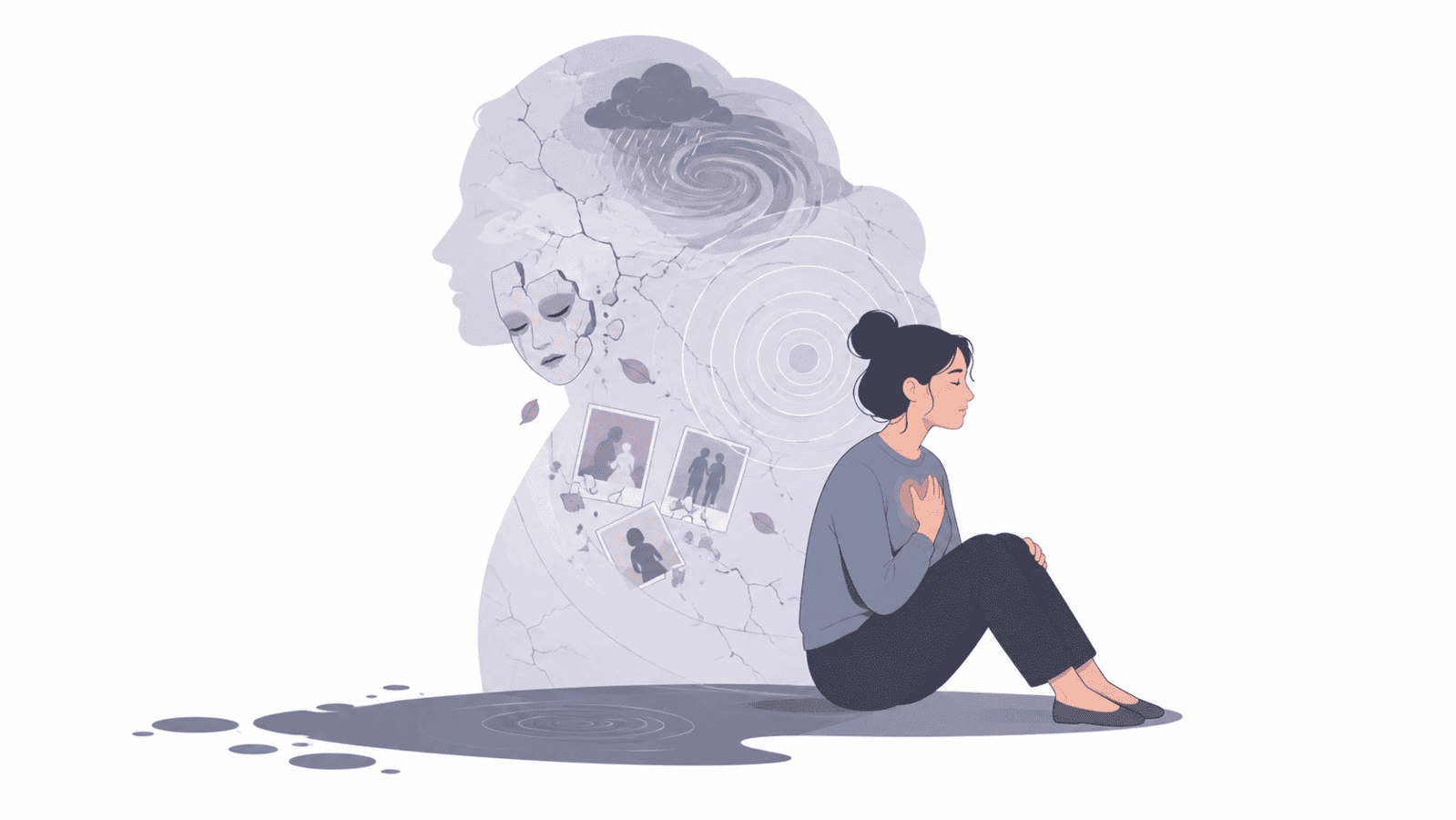
Suicidal ideation doesn’t always look like visible despair. More often, it shows up as a slow, quiet withdrawal a growing sense of disconnection from family, friends, and the world around a person. Learning to catch these early, subtle cues gives us a chance to step in with real care before hopelessness takes over.
Understanding the Subtle Signs of Suicidal Ideation
Some warning signs are obvious. Many others are hidden behind ordinary routine.
1. Emotional and Social Withdrawal
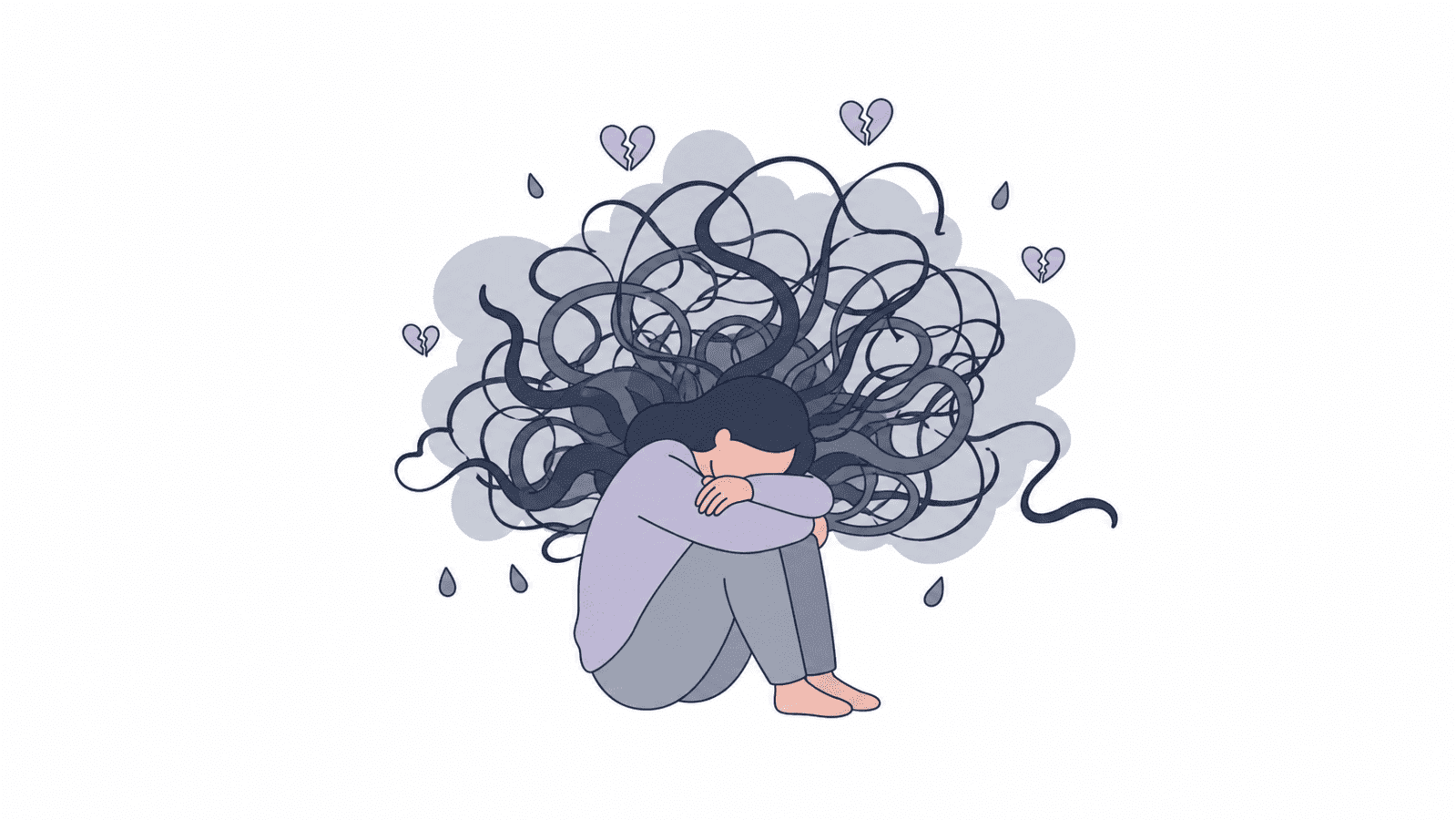
Take Ali, a bright university student preparing for exams in Rawalpindi. Weighed down by academic pressure and financial strain, he slowly stops joining his family for evening chai, skips get-togethers with friends, and goes quiet in the group chat. This isn’t ordinary introversion or exam stress, it’s a gradual retreat, driven by the quiet belief that his presence is a burden to the people around him.
2. Subtle Shifts in Language
Rather than stating their intent outright, someone might drop indirect phrases into everyday conversation:
- “Sub theek ho jaye ga mere bina.” (Everything will be fine without me.)
- “I’m just so tired of trying every day.”
- “Everyone would be better off if I wasn’t a burden.”
3. Giving Away Possessions or Tying Up Loose Ends
Someone might unexpectedly give away a cherished item, settle a small debt out of nowhere, or say goodbye with an odd sense of finality during a routine interaction. Consider Sara, a working professional in Islamabad going through a painful heartbreak. She still shows up to work every day, but her close friends notice she’s given away her favorite books and keeps mentioning that she feels “invisible.”
4. A Sudden Calm After Deep Distress
An unexpected shift from severe anxiety or depression into an unusual sense of calm can be a sign that someone has quietly made peace with a decision to escape their pain.
What the Science Tells Us: The Psychological Impact of Alienation
The link between isolation and suicidal ideation is well documented in psychological research. In Dr. Thomas Joiner’s Interpersonal Theory of Suicide, suicidal thoughts are largely driven by two core experiences: perceived burdensomeness (the belief that one’s existence strains loved ones) and thwarted belongingness (a deep sense of social disconnection).
When someone feels they no longer fit within their family or social circle, distress can escalate quickly. Local public health research published in the Journal of Pakistan Medical Association (JPMA), led by Dr. Murad Moosa Khan, similarly points to relationship strain, domestic stress, and silent social pressure as major drivers of distress among Pakistani youth. The takeaway is clear: early intervention within our own families and communities remains one of the strongest protective factors we have.
How to Offer Meaningful Support
When you notice these warning signs in a friend, colleague, or family member, grounded and empathetic action can help break through the alienation.
- Ask direct, clear questions. Contrary to a common myth, asking someone about self-harm doesn’t plant the idea in their mind. A direct question “Are you feeling so overwhelmed that you’re thinking about ending your life?” gives them permission to speak honestly without fear of shocking you.
- Listen without invalidating. Avoid lines like “Think of how much you have to be thankful for” or “Why are you being so negative?” Instead, try: “I can hear how much pain you’re in, and I’m here with you through this.”
- Remove immediate hazards. If someone is in acute crisis, make the home environment safer by removing access to medications or harmful objects.
- Connect them with professional care. Offer to walk alongside them, helping Sara book an initial assessment, or accompanying Ali to a consultation, bridges the gap between isolation and clinical support. Therapy offers a safe, confidential space to process this kind of pain without fear of judgment.
Book a confidential consultation with our team, or read more about counseling for anxiety and panic disorders if the person you are worried about is carrying constant dread alongside the withdrawal.
If someone is in immediate danger
Don’t leave them alone. Contact emergency medical services or take them to the nearest hospital emergency unit straight away. For ongoing therapy and psychological guidance in Islamabad and Rawalpindi, reach out to Pehchaan Clinic.
Frequently Asked Questions
What should I do if a family member refuses professional mental health help?
Stay calm and keep the conversation open. Lead with care for their well-being rather than labels or pressure. Offer to schedule, or go along with them to, an initial consultation at a trusted local clinic like Pehchaan Clinic, just to talk to a professional in a quiet, confidential setting.
Does asking someone directly about suicidal thoughts make them more likely to act?
No. Evidence-based research consistently shows that asking directly reduces anxiety and eases the isolation surrounding suicidal ideation. It shows the person that their pain has been seen.
Where can someone find emergency support in Islamabad and Rawalpindi?
If someone is in immediate danger, don’t leave them alone. Contact emergency medical services or take them to the nearest hospital emergency unit. For ongoing therapy and psychological guidance, reaching out to a qualified mental health practitioner provides continued safety and support.
References
- Joiner, T. E. (2005). Why People Die by Suicide. Harvard University Press.
- World Health Organization. (2021). Live Life: An Implementation Guide for Suicide Prevention in Countries. WHO Guidelines Approved by the Guidelines Review Committee.
- Khan, M. M. (2018). Suicide and Mental Health in Pakistan: Challenges and Future Directions. Journal of Pakistan Medical Association, 68(1), 2-3.
- Van Orden, K. A., Witte, T. K., Cukrowicz, K. C., Braithwaite, S. R., Selby, E. A., & Joiner, T. E. (2010). The Interpersonal Theory of Suicide. Psychological Review, 117(2), 575–600.
Need professional guidance for yourself or your child?
Book an Appointment