How to Ask a Family Member About Self-Harm: A Non-Judgmental Guide
Key Points
- Ask directly. Clear language cuts through ambiguity and helps break through shame.
- Remove stigma from the conversation. Approach it with concern and warmth, not anger, blame, or fear.
- Listen without panicking. Give your loved one room to express their pain without an instant lecture.
- Connect them with professional help. Gently guide them toward a qualified psychologist or counselor.
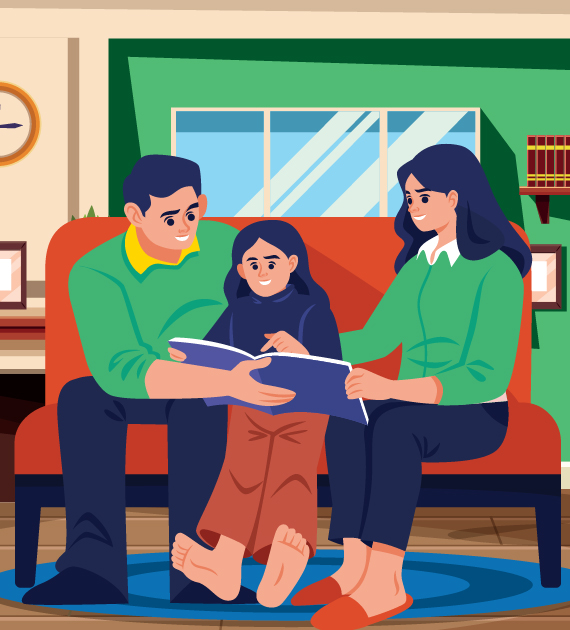
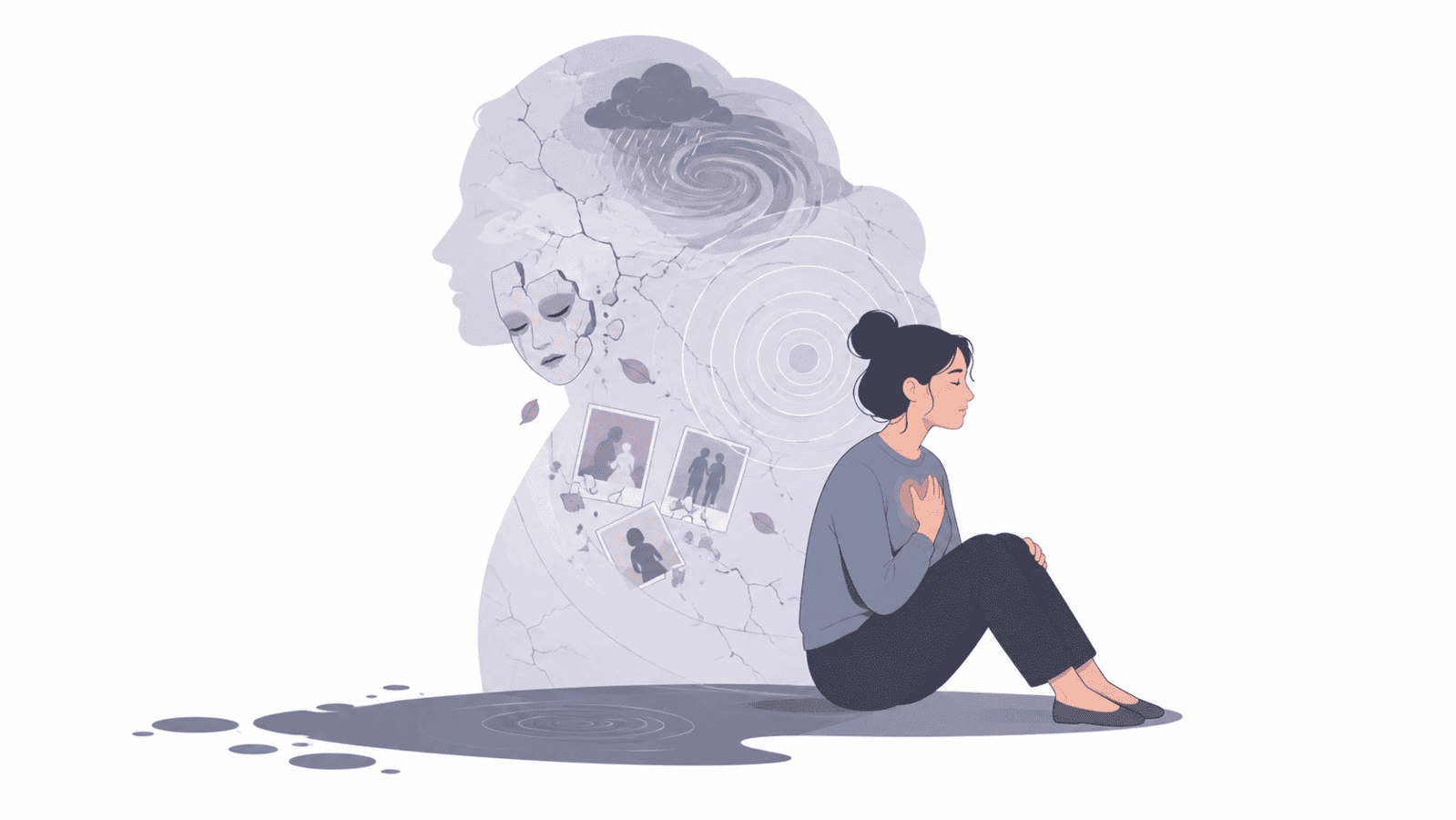
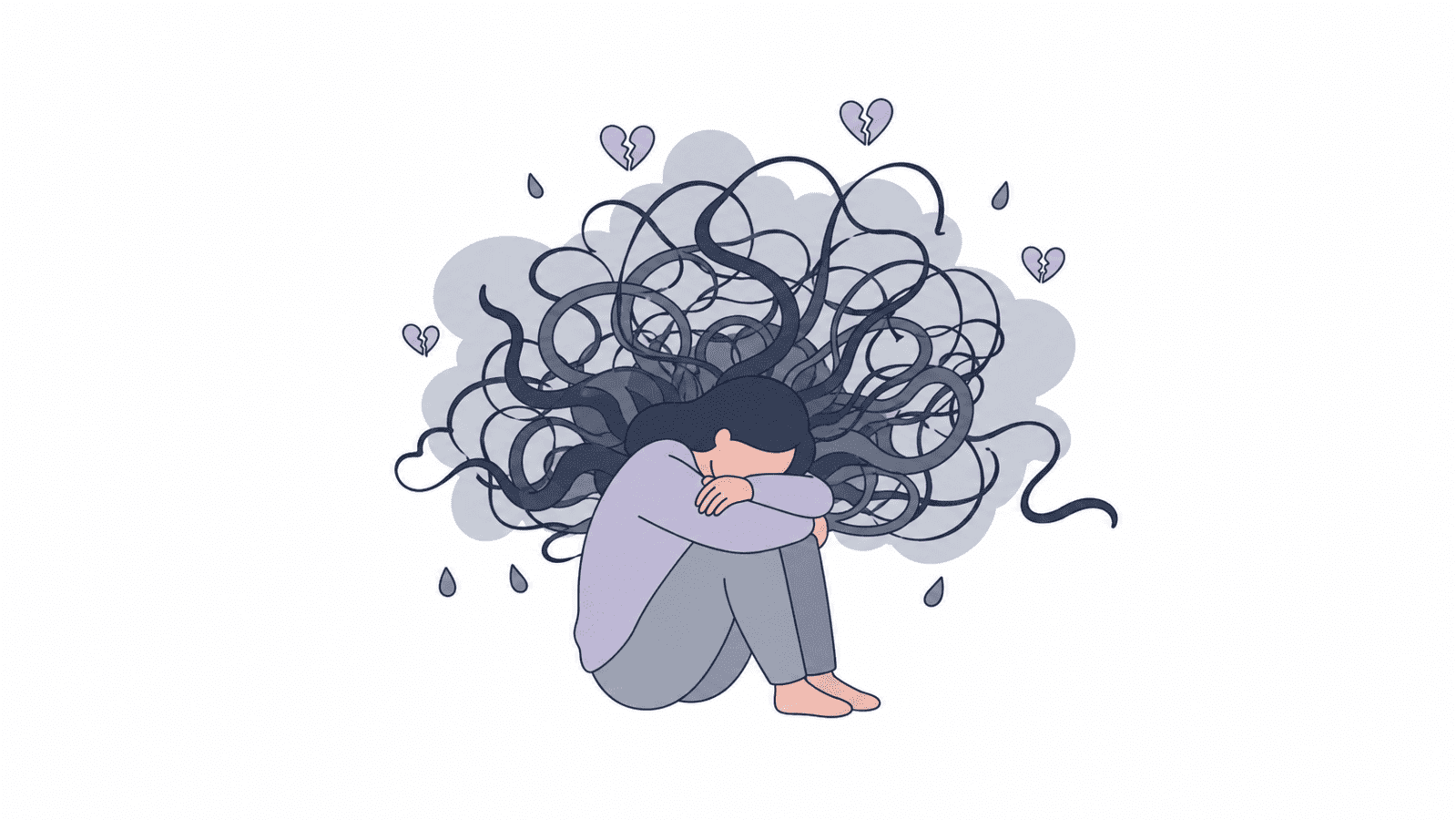
Discovering, or even suspecting, that a family member might be hurting themselves is overwhelming. In many Pakistani households, deep-rooted stigma around emotional distress pushes families toward fear, anger, or denial instead. Phrases like “Log kya kahein ge?” (What will people say?), or treating pain as a lack of faith, can isolate a person even further.
At Pehchaan Clinic, we work with families across Islamabad and Rawalpindi to help bridge exactly this gap. Asking directly about self-harm does not push someone toward it. Research consistently shows that a direct question reduces anxiety and offers real emotional relief rather than increasing risk. A study on youth mental health in South Asia, published in the Asian Journal of Psychiatry, found that familial criticism and dismissive responses tend to worsen self-harm behavior, while empathetic family support acts as a genuine protective factor (Khan et al., 2019). Clinical guidelines from the UK’s National Institute for Health and Care Excellence (NICE) similarly emphasize that calm, non-judgmental communication from family is essential for effective intervention and lasting recovery (NICE, 2022).
Here’s a step-by-step guide to navigating this delicate conversation, along with a realistic example of how it might actually sound.
Step 1: Choose a Private, Neutral Moment
Find a calm window to talk one-on-one, without other family members interrupting or walking in. Avoid raising your concerns at a noisy family gathering, over dinner, or in front of elders and siblings.
Step 2: Share What You’ve Noticed, Warmly
Stick to specific behaviors or signs you’ve actually observed, without accusations or demanding an immediate explanation.
Step 3: Ask Directly, Without Judgment
Skip euphemisms that only create confusion. Ask clearly, while keeping your tone gentle and supportive.
Step 4: Validate Their Pain, Not Lecture Them
If they open up, resist the urge to respond with anger, guilt, or a lecture about religious or social expectations. Avoid lines like “Tumhe kis cheez ki kami hai?” (What do you lack in life?) or “Gunah hota hai” (It is a sin). Focus entirely on validating what they’re feeling.
Step 5: Offer Support and Professional Guidance
Reassure them that you’re on their side, and suggest connecting with a mental health professional who understands self-harm recovery.
How This Conversation Plays Out in Real Life?
To see these steps come together in a real Pakistani household, consider how Fatima, a mother in Rawalpindi, approached her 17-year-old daughter, Ayla. Fatima had noticed Ayla growing withdrawn, spending hours locked in her room, and wearing long sleeves through the summer heat. After spotting healing marks on Ayla’s wrist, she sat down with her privately, once the house had gone quiet.
Fatima (gentle tone)
“Ayla, beta, do you have a few minutes? I wanted to check in on you because I love you, and I’ve been feeling worried lately.”
Ayla (looking away)
“I’m fine, Mama. Just tired from studies.”
Fatima (sharing what she’s noticed)
“I know you’ve been working hard, but I’ve noticed you’ve been spending a lot of time alone in your room, and I saw the marks on your wrist earlier. You’re not in any trouble, I’m just concerned about how much pain you might be carrying.”
Ayla (defensive)
“Are you going to tell Papa? Is everyone going to start lecturing me now?”
Fatima (asking directly, without judgment)
“No, this stays between the two of us for now. I’m not angry, and I’m not going to judge you or tell anyone. I just want to ask you directly, are you hurting yourself to cope with what you’re feeling?”
Ayla (tears up, voice breaking)
“I just feel so overwhelmed all the time… the pressure, feeling like I’m failing everyone, feeling completely invisible. Sometimes it feels like the only way to quiet the noise in my head.”
Fatima (validating, without judgment)
“Thank you for trusting me enough to tell me that. I can hear how heavy and exhausting this has been for you. You don’t have to carry it alone anymore, and we don’t need to fix everything today but I’m right here with you.”
Fatima (offering professional support)
“Would you be open to talking with a counselor at a clinic, together? Someone neutral, who works with young people going through exactly this?”
Ayla (nodding slowly)
“Okay… as long as you come with me.”
Because Fatima met her daughter with calm empathy instead of panic, Ayla felt safe enough to accept help. Together, they reached out to Pehchaan Clinic for professional support.
If this conversation is one you are preparing to have, book a confidential consultation with our team, or read more about family therapy at Pehchaan Clinic.
If someone is in immediate danger
Don’t leave them alone. Contact emergency medical services or take them to the nearest hospital emergency unit straight away. For ongoing therapy and psychological guidance in Islamabad and Rawalpindi, reach out to Pehchaan Clinic.
Frequently Asked Questions
Will asking my family member directly about self-harm give them the idea to do it?
No. Evidence-based research shows that asking directly does not cause or increase self-harm behavior. It actually offers relief, by giving the person room to speak openly about their pain.
How should I react if I feel panicked or scared when they admit to self-harming?
Take a breath and stay as calm as you can. Panicking, reacting with anger, or breaking down can make the person feel guilty and shut down. Focus on listening first, everything else can come after.
Where can families in Islamabad and Rawalpindi get professional help for self-harm?
You can reach out to Pehchaan Clinic to schedule a consultation with experienced clinical psychologists and counselors who specialize in self-harm intervention and family therapy.
References
- Khan, M. M., & Mahmood, S. (2019). Self-harm and suicide in Pakistan: Context, challenges, and solutions. Asian Journal of Psychiatry, 42, 85-89.
- National Institute for Health and Care Excellence (NICE). (2022). Self-harm: Assessment, management and preventing recurrence (NICE Guideline NG225).
- Hawton, K., Saunders, K. E., & O’Connor, R. C. (2012). Self-harm and suicide in adolescents. The Lancet, 379(9834), 2373-2382.
Need professional guidance for yourself or your child?
Book an Appointment