Understanding the Different Forms of Grief and How Counseling Helps
Key Points
- Grief shows up in different forms — anticipatory, disenfranchised, complicated, delayed, and collective, to name a few.
- Grief counseling follows a structured process that helps people process loss, rebuild coping skills, and adjust to life afterward.
- Good clinical support focuses on validating suppressed emotions, working through trauma, and building healthy, continuing bonds with the person who’s gone.
Grief Doesn’t Look the Same for Everyone
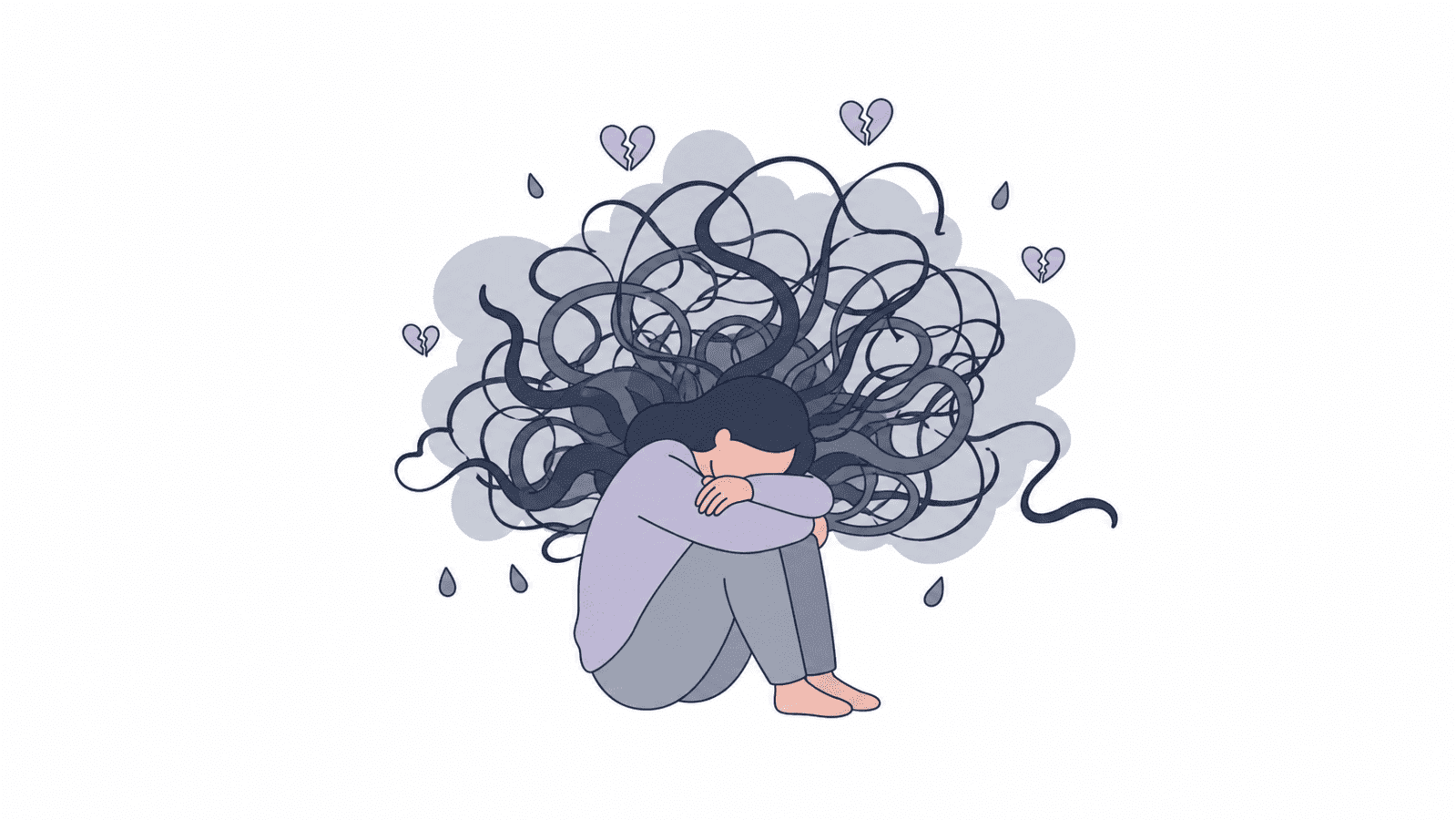
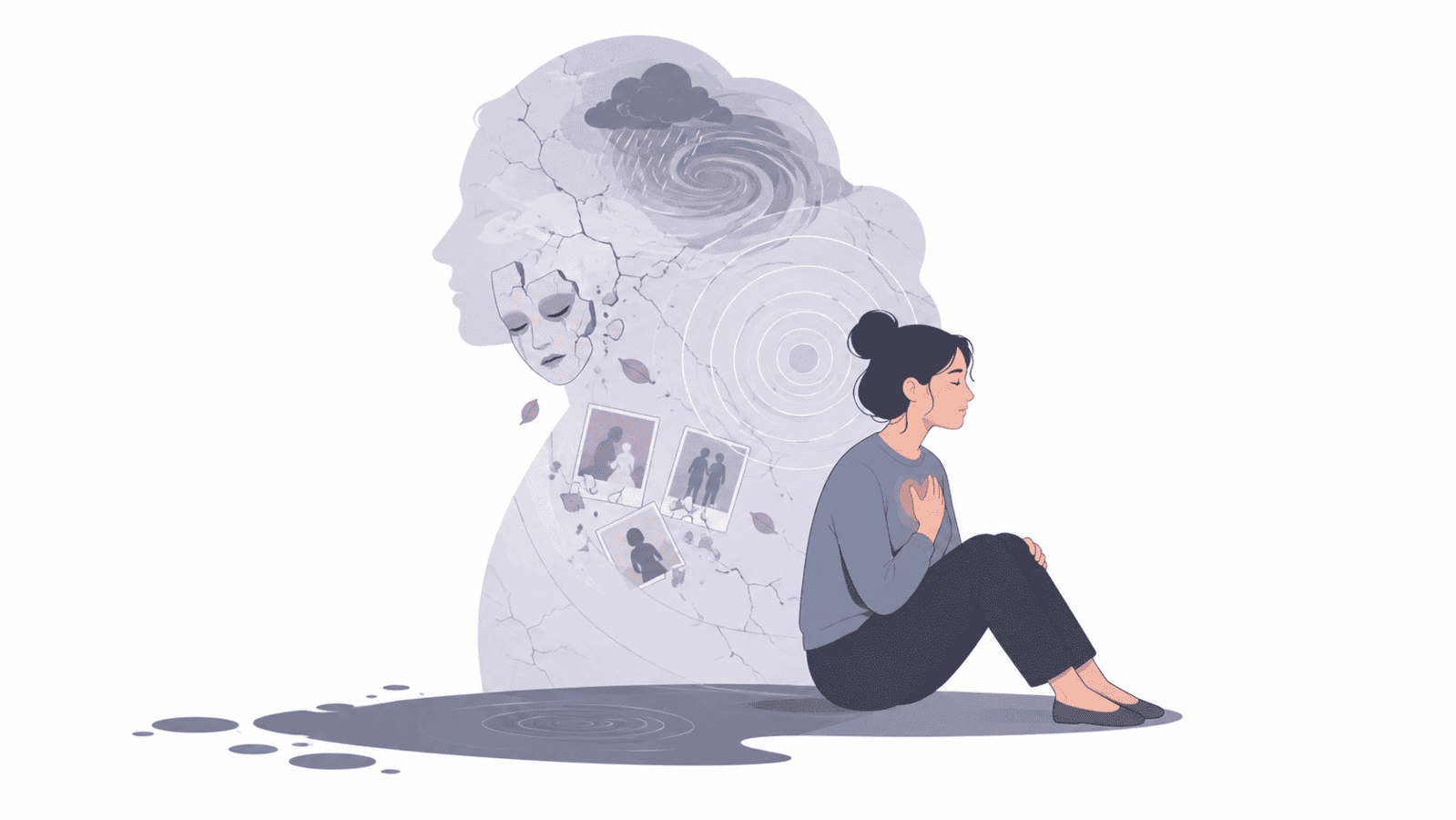
Grief rarely follows a straight or predictable path. Depending on the circumstances of a loss and the social context surrounding it, people experience distinct forms of grief that shape how their pain gets expressed and processed.
Anticipatory grief. This shows up before a loss actually happens often when a loved one is diagnosed with a terminal or long-term illness. Family members begin grieving while still providing care, juggling the exhaustion of caregiving with the pain of a loss that hasn’t arrived yet.
Disenfranchised grief. This occurs when a loss isn’t socially recognized or openly acknowledged the loss of a pregnancy, the death of an ex-partner, or losses that carry social stigma. Without the usual mourning rituals or community empathy, the grieving person often ends up processing it alone.
Complicated (or prolonged) grief. When grief stays intense and unrelenting well past six months to a year, it can seriously interfere with daily functioning. The natural grieving process gets stuck, leading to intrusive thoughts, emotional numbness, and real difficulty accepting the loss.
Delayed grief. This happens when the emotional reaction gets pushed aside at the time of loss often because someone is hosting guests, managing paperwork, or feels they need to “stay strong” for others. The grief doesn’t disappear; it resurfaces later, sometimes triggered by something that seems completely unrelated.
Collective grief. Experienced by an entire community or society after a shared tragedy, a natural disaster, a conflict, a sudden public loss. Healing here depends heavily on collective processing and solidarity, not just individual coping.
How Grief Counseling Actually Works, Step by Step
Grief counseling gives people a structured, judgment-free space to process loss without the cultural pressure to suppress it. Drawing from frameworks like J. William Worden’s Tasks of Mourning, counselors guide clients through a gradual process shaped around their own experience.
In clinical practice at Pehchaan Clinic, we’ve consistently seen that people given this kind of structured space experience noticeably less long-term trauma, anxiety, and physical distress than those who feel pressured to bury their emotions.
Step 1: Building safety and understanding the situation
The process starts with creating a secure, empathetic space. The therapist assesses the nature of the loss, the client’s current coping strategies, their support system, and any signs of underlying trauma or depression. The goal here is simple: build trust, and make clear that every feeling — anger, guilt, sadness, shock is valid.
Step 2: Facing the reality of the loss
Clients are gently guided to confront and accept that their loved one is truly gone. This often means walking back through the timeline of events, naming moments of shock or denial, and addressing reactions that got glossed over during funeral arrangements and the initial rush of logistics.
Step 3: Working through the pain
Here, the focus shifts to actually processing the emotional weight instead of burying it. Therapists help clients name and express what’s been suppressed unspoken guilt, regret, hidden anger. Tools like hypnotherapy, cognitive processing, or expressive writing can help untangle emotional weight that’s been sitting in the body.
Step 4: Adjusting to life without the person
Loss reshapes daily routines, identity, and household roles. This step focuses on practical rebuilding:
- Developing new routines and problem-solving habits
- Re-evaluating roles and boundaries within the family
- Rebuilding independence while managing everyday stress
Step 5: Building continuing bonds and moving forward
Healing doesn’t mean forgetting. It means finding a lasting way to stay connected to the person while re-engaging with life. Clients are encouraged to find meaningful ways to remember their loved one memory books, quiet rituals, acts of charity while also setting personal goals for what comes next.
If a loss has reshaped life at home for the whole household, our marriage and family therapy service can support the family alongside individual counseling. Book an appointment whenever you’re ready.
Frequently Asked Questions
What’s the difference between normal grief and complicated grief?
Normal grief involves painful emotions that gradually ease over time, allowing someone to slowly resume daily life. Complicated grief stays debilitating and unyielding, keeping a person stuck in shock, numbness, or despair for months or even years.
How does grief counseling help if someone has suppressed their emotions for years?
It creates a judgment-free space where old, buried emotions can finally be voiced and worked through safely which tends to ease lingering anxiety, physical tension, and trauma symptoms.
How long does grief counseling usually take?
It varies depending on the person, the complexity of the loss, and whether underlying trauma is involved. Some people find clarity in a handful of sessions; others benefit from ongoing therapy over several months.
How can I access professional grief counseling in Islamabad or Rawalpindi?
Pehchaan Clinic offers specialized, trauma-informed grief counseling across Islamabad and Rawalpindi to help you process loss safely and rebuild long-term emotional well-being.
References
- Worden, J. W. (2018). Grief Counseling and Grief Therapy: A Handbook for the Mental Health Practitioner (5th ed.). Springer Publishing Company.
- Doka, K. J. (2002). Disenfranchised Grief: New Directions, Challenges, and Strategies for Practice. Research Press.
- Neimeyer, R. A. (2001). Meaning Reconstruction & the Experience of Loss. American Psychological Association.
Need professional guidance for yourself or your child?
Book an Appointment