Understanding Teen Fibromyalgia: Navigating Invisible Pain, School, and Emotional Well-Being
Watching a teenager suddenly lose their spark is heartbreaking for any parent. Imagine a bright sixteen-year-old student in Islamabad who used to love cricket and easily aced her O-Level exams, suddenly struggling to get out of bed, forgetting simple homework instructions, and complaining of constant body aches. Because she looks completely healthy on the outside, people around her might quietly wonder if she is just making excuses to skip school. Yet, what she is experiencing is very real, and it is called juvenile fibromyalgia.
At Pehchaan Clinic, we see how confusing and overwhelming chronic invisible illnesses can be for young people and their loved ones. Living with constant pain during the teenage years does not just affect the body; it touches every corner of a young person's emotional, social, and academic life. Understanding what is happening beneath the surface is the first step toward helping these resilient teenagers feel heard, supported, and empowered.
What Is Fibromyalgia and How Does It Affect Teenagers?
Fibromyalgia is a chronic neurological condition that amplifies pain signals in the brain and spinal cord, causing widespread musculoskeletal pain, deep exhaustion, and sleep disturbances. While many people think of it as an adult condition, juvenile fibromyalgia affects a significant number of adolescents, most commonly young women, right during a critical stage of their personal and academic growth.
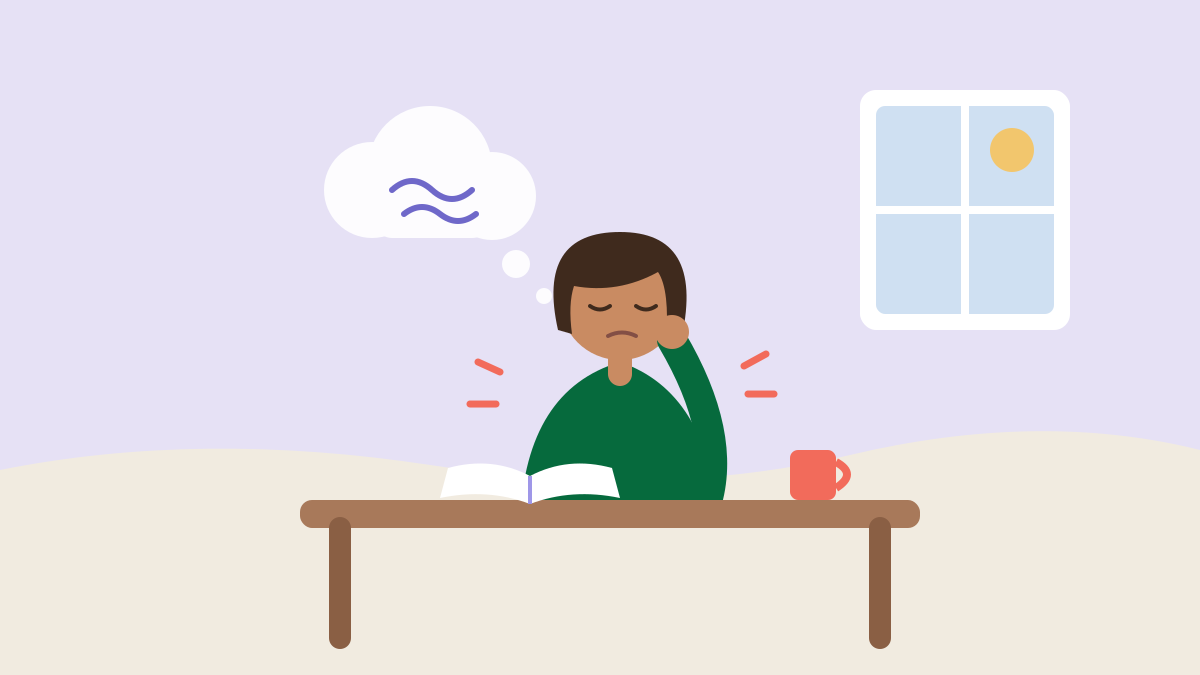
The physical pain is only one piece of the puzzle. One of the most frustrating symptoms for teenagers is fibro fog, a state of cognitive impairment that affects memory, attention, and mental clarity. In a busy classroom in Rawalpindi or Islamabad, a teen with fibro fog might stare at a whiteboard and feel completely unable to process what the teacher is saying. Because chronic pain and unrefreshing sleep drain their mental battery, these concentration struggles often look remarkably similar to ADHD, leading to misplaced frustration from adults who expect them to simply try harder.
The Emotional and Psychological Toll of Invisible Pain
Carrying an invisible illness during adolescence takes a heavy emotional toll. Clinical research consistently shows that teenagers living with chronic widespread pain experience significantly higher rates of anxiety and depressive symptoms compared to their healthy peers. When your body hurts every single day without an obvious cast or visible injury, it is easy to feel trapped and hopeless about the future.
Consider the experience of a young college student in Rawalpindi whose friends stop inviting him to evening hangouts because he has had to cancel at the last minute due to sudden flare-ups. Over time, that repeated disappointment breeds deep loneliness and social isolation. Teens naturally want to fit in and keep up with their friends, so being forced to sit on the sidelines chips away at their self-esteem. Furthermore, emotional stress directly sensitises the nervous system, creating a painful cycle where feeling anxious or misunderstood actually makes the physical pain feel much worse.
How Families Can Create a Safe Haven at Home
Home should be the one place where a teenager with fibromyalgia never has to prove that they are in pain. The most powerful gift families can offer is unconditional validation. Simply telling your child that you believe them and know they are doing their best relieves an enormous emotional burden.
Beyond emotional warmth, families can build gentle structure into daily routines. Keeping a consistent sleep and wake schedule helps regulate a stressed nervous system, even on weekends. Parents can also encourage smart pacing, helping their teen avoid the common trap of overdoing chores or studying on a good day, which inevitably triggers a painful crash the next morning. Instead of focusing on what your teen can no longer do, celebrate small daily victories and keep communication open without judgment.
How Schools Can Support Students with Fibromyalgia
Since teenagers spend most of their waking hours at school, thoughtful classroom support can make the difference between academic burnout and steady progress. Teachers and school counselors in Islamabad and Rawalpindi can partner with parents to put simple, practical accommodations in place.
Allowing a student extra time on exams helps offset the slow processing speed caused by fibro fog. Providing printed class notes or allowing them to record lectures ensures they do not fall behind when fatigue strikes. Physical adjustments matter just as much, such as offering a second set of textbooks to keep at home so they do not have to carry a heavy backpack, modifying physical education classes, and giving them a discreet pass to visit the nurse or take a brief rest break when pain flares up.
Practical Ways Teens Can Manage Their Daily Lives
While having supportive adults is essential, teenagers also feel much stronger when they have practical tools to manage their own lives. Taking small, intentional steps can help them protect their energy across every area of their routine.
- Managing Academics: Break large study sessions into short twenty-minute blocks followed by five-minute rest breaks. Use digital reminders and planners to stay organized when memory feels foggy, and communicate early with teachers when a flare-up slows you down.
- Protecting Social Life: Be honest with your closest friends about how your energy works so they do not take last-minute cancellations personally. Suggest low-energy ways to hang out, like watching a movie at home or grabbing a quiet coffee, rather than exhausting all-day outings.
- Nurturing Emotional Health: Practice simple relaxation techniques like deep belly breathing or guided mindfulness to calm an overactive nervous system. Working with a therapist on cognitive behavioral therapy can also teach you how to reframe frustrating thoughts and manage health-related anxiety.
- Navigating Family Dynamics: Practice speaking up clearly about what you need, whether that means asking for quiet time after school or letting your parents know when you need help with a task. Accepting help is a sign of self-awareness, not weakness.
Frequently Asked Questions
Can fibromyalgia symptoms in teenagers be mistaken for ADHD?
Yes. Fibromyalgia frequently causes severe cognitive fatigue, memory lapses, and trouble concentrating, often called fibro fog. Because chronic pain and poor sleep drain mental energy, a teenager's inability to focus or stay organized in class can closely mimic ADHD symptoms.
How does emotional stress affect physical pain in fibromyalgia?
Emotional stress and physical pain share connected pathways in the brain and nervous system. When a teenager feels anxious, isolated, or overwhelmed, their nervous system stays in a heightened state of alert, which amplifies pain signals and triggers worse physical flare-ups.
What is the most important thing parents can do for a teen with fibromyalgia?
Validating their experience is the most impactful step. Because fibromyalgia has no visible signs, reassuring your teen that you believe their pain is real reduces their emotional distress and builds the trust needed to manage daily routines together.
References
- Kashikar-Zuck, S., & Ting, T. V. (2014). Juvenile fibromyalgia: current status of research and future developments. Nature Reviews Rheumatology, 10(2), 89-96.
- Cunningham, N. R., & Kashikar-Zuck, S. (2013). Nonpharmacological treatment of pain in rheumatic diseases and other musculoskeletal pain conditions. Current Rheumatology Reports, 15(2), 306.
- American College of Rheumatology. (2023). Fibromyalgia in Children and Adolescents. ACR Patient Education Resources.
Need professional guidance for yourself or your child?
Book an Appointment